As generative AI moves from pilot projects into daily operations, a new tension is emerging in the workplace. The same tools that boost spee
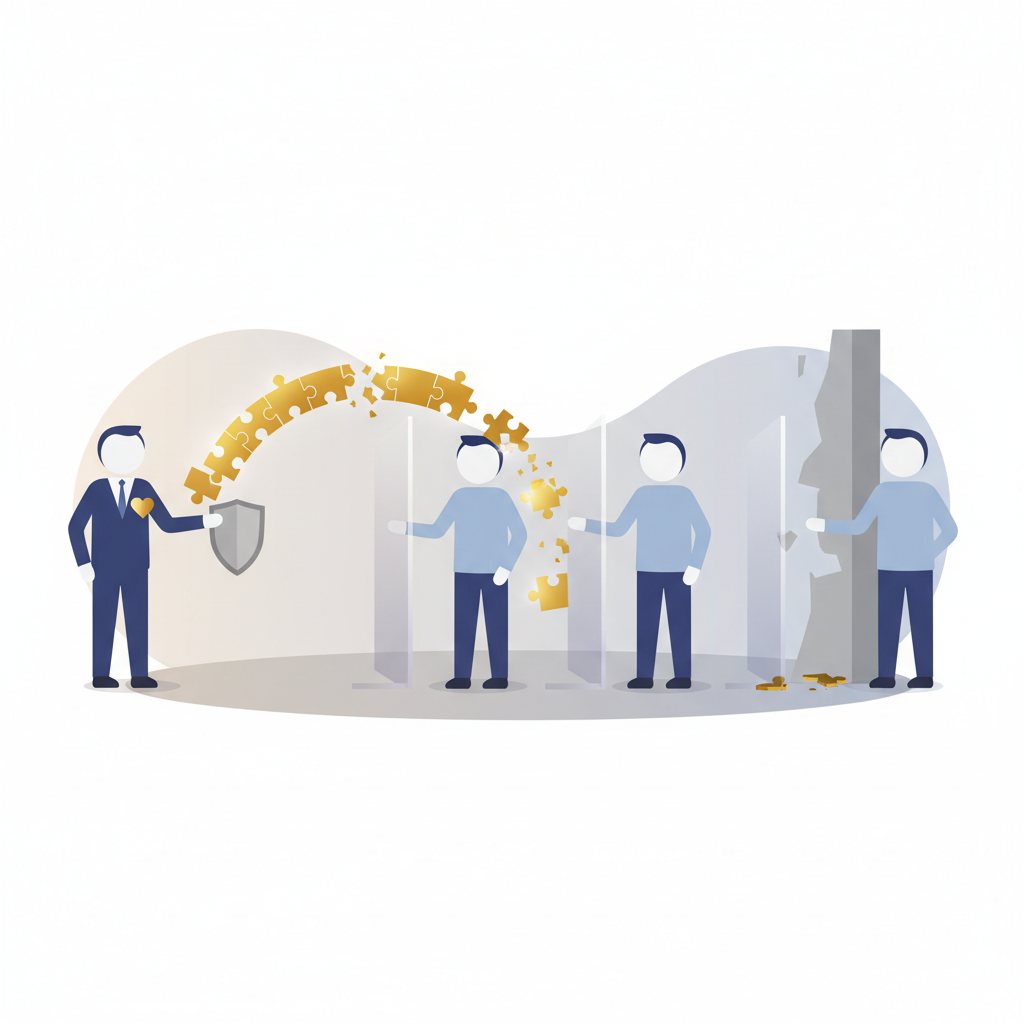
As generative AI moves from pilot projects into daily operations, a new tension is emerging in the workplace. The same tools that boost speed and output may also be quietly eroding the very capabilities that chief human resources officers say are most difficult to replace. A new IBM report warns that without deliberate safeguards, AI adoption could weaken core human skills such as critical thinking, written communication, collaboration and empathetic leadership.
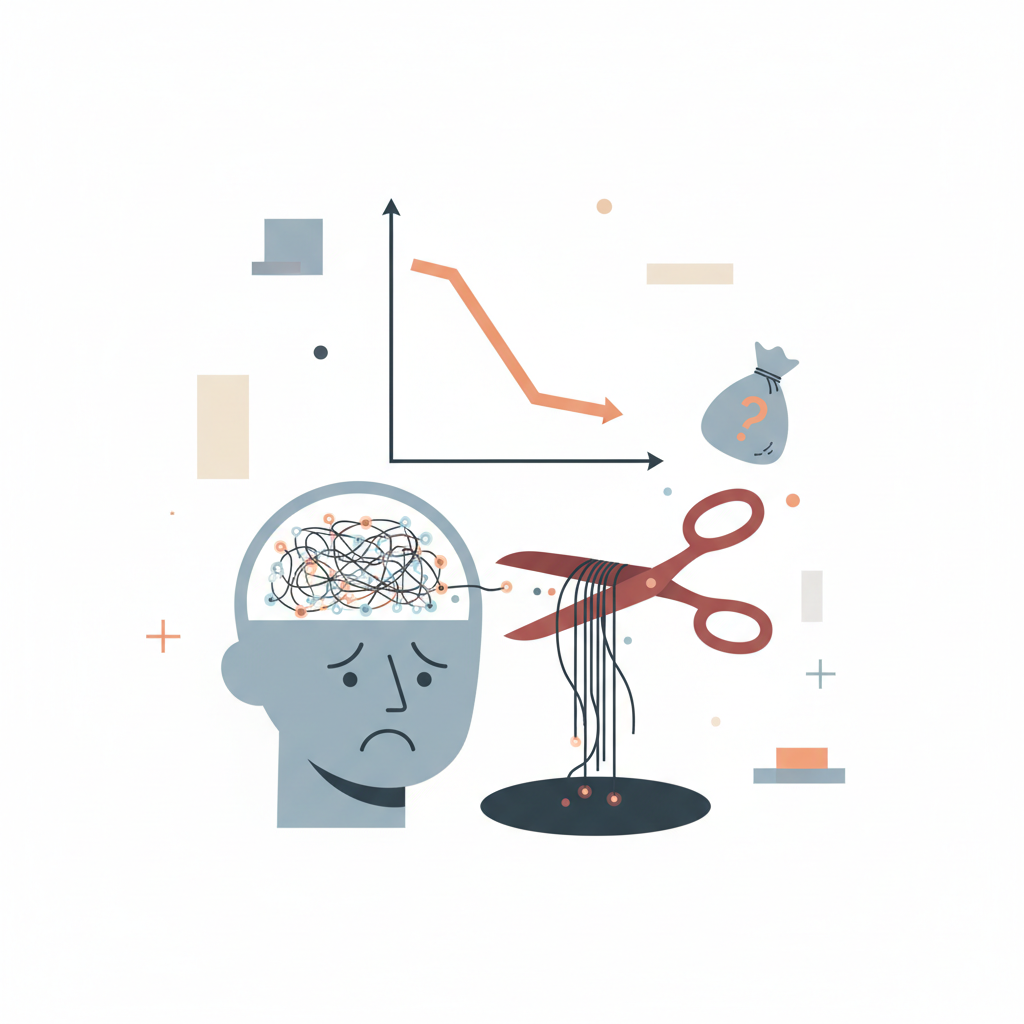
The warning is not a rejection of AI. Rather, it reflects a growing recognition among HR leaders that automation has a second-order effect: when machines handle routine cognitive work, employees lose the repeated practice that builds and maintains professional judgment. For organizations, the risk is not immediate failure but a gradual hollowing out of the skills they will need during the next crisis, reorganization or market shift.
The hidden cost of delegation
Many AI tools are designed to remove friction. They draft emails, summarize long documents, produce code, translate performance notes into feedback and even propose solutions to complex scheduling or budgeting problems. On the surface, this is a clear productivity win. But each delegated task represents a lost repetition for someone. A junior employee who never writes a difficult client message may not develop the ability to handle a sensitive negotiation later. A manager who relies on AI to summarize team sentiment may miss the subtle cues that come from reading full conversations or listening to tone.
IBM’s report suggests that this erosion is most pronounced in skills that CHROs consistently rank as vital: the ability to think through ambiguous problems, communicate with precision, collaborate across time zones and cultures, and lead with emotional intelligence. These are not technical skills that can be refreshed in a short course. They are built over years through observation, feedback and deliberate practice.
What HR leaders are watching
HR teams are beginning to treat AI-driven skill loss as a workforce planning issue, not just a training issue. That means examining which tasks are being offloaded, which roles have the fewest opportunities for skill development, and whether performance metrics reward output at the expense of learning. The IBM report highlights that organizations with the most aggressive AI adoption may also need the most aggressive skill-retention strategies.
Some CHROs are responding by creating “human-first” workflows for high-stakes work—such as employee relations, strategic planning and customer recovery—while allowing AI to handle lower-risk, repetitive tasks. Others are building rotation programs so that employees do not spend years in AI-mediated roles without ever practicing foundational skills. A third emerging practice is to make skill retention an explicit goal in AI governance, with regular audits of how much independent work employees still perform.
A balanced path forward
The goal is not to choose between AI and human capability, but to design work so that both improve. That can involve simple rules, such as requiring employees to draft before using AI, or reviewing AI output with a mentor before it becomes final. It can also involve preserving some deliberately low-tech rituals: a live debate instead of a generated summary, a phone call instead of an AI-polished message, or a real-time brainstorming session that forces people to think without a prompt.
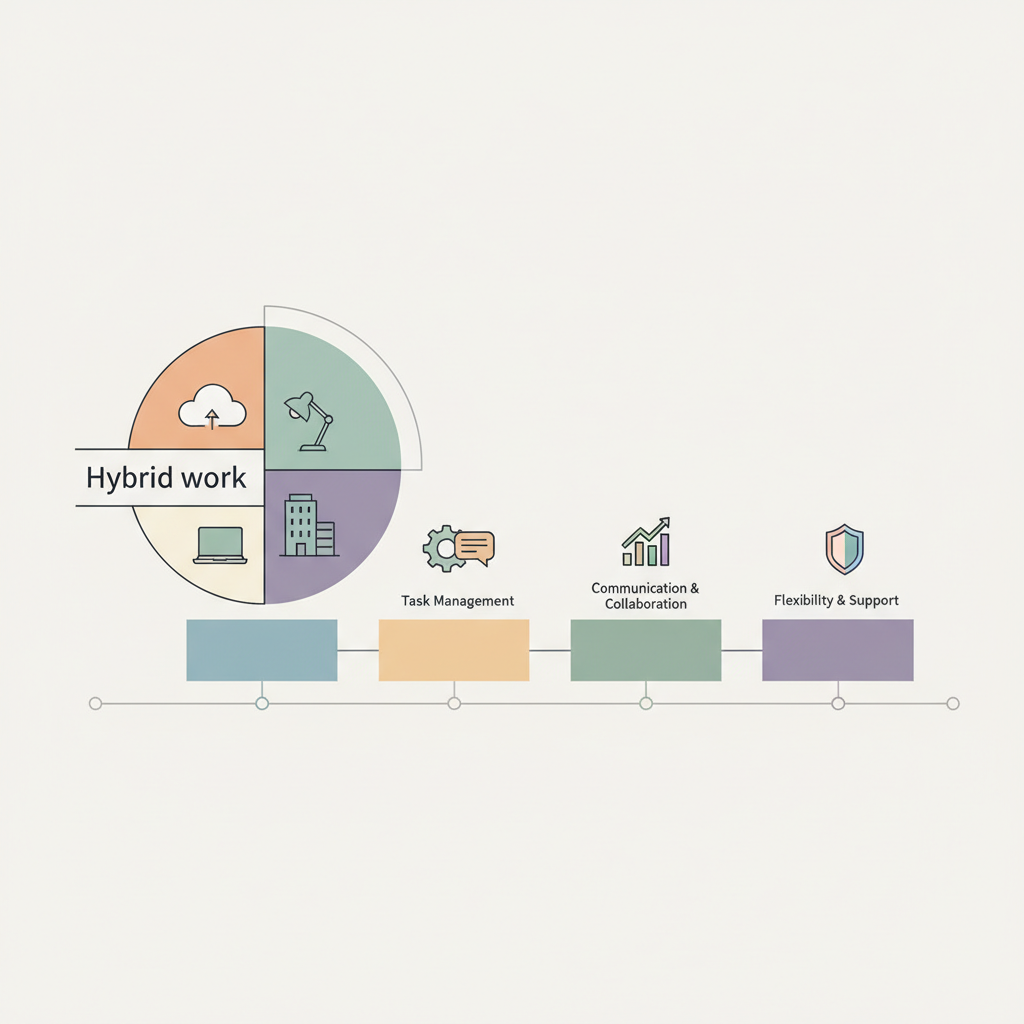
For remote and hybrid teams, the risk is especially acute because asynchronous tools already reduce spontaneous conversation and informal coaching. When AI further compresses interaction into summaries and action items, teams may lose the relational glue that supports trust and psychological safety. Distributed organizations may need to schedule intentional time for unstructured discussion and skill practice, rather than assuming it will happen automatically. Platforms such as XMF can help HR leaders coordinate those structured learning moments across distributed teams, but the deeper change must be cultural.
The most resilient organizations will likely be those that treat AI as an accelerator for experienced judgment, not a replacement for the experiences that build it.
Originally published by XMF, inspired by publicly reported industry news.
The leadership bench is looking thinner, and HR professionals are noticing. For years, organizations could rely on a familiar sequence: high
The leadership bench is looking thinner, and HR professionals are noticing. For years, organizations could rely on a familiar sequence: high-potential employees learned from senior colleagues, took on incremental responsibility, made mistakes in relatively safe settings, and gradually grew into supervisory and strategic roles. Today, that sequence is under pressure from several directions at once—flatter hierarchies, leaner teams, rapid turnover, and the rise of distributed and hybrid work. The result is a growing worry among HR leaders that critical leadership skills are not being developed consistently enough to sustain the organization over the next decade.
This is not simply a complaint about remote work or a nostalgia for the office. It is a structural concern about how leadership skill is transmitted. When fewer informal moments exist—the quick conversation after a meeting, the chance to watch a senior manager navigate a difficult client, the unplanned coaching that happens in person—younger employees may still perform well in their current roles but miss the deeper learning that prepares them for broader responsibility.
The quiet erosion of leadership pipelines
Leadership development has traditionally depended on a mix of formal programs and informal apprenticeship. Formal training can teach frameworks, feedback models, and planning techniques. But the harder elements—judgment, political awareness, emotional regulation under pressure, and the ability to make trade-offs—are often absorbed through observation and repeated practice. HR leaders worry that organizations are now overinvesting in platforms, courses, and content while underinvesting in the conditions that allow those skills to be practiced and observed.
Many companies have become flatter. Middle management layers, once the natural training ground for future executives, have been thinned or eliminated. As a result, first-time managers may be promoted with less support and fewer role models nearby. They are expected to lead remote or hybrid teams, handle difficult conversations through video calls, and maintain team cohesion across time zones—often without having seen those behaviors modeled by an experienced manager. The risk is not that leaders lack intelligence or intent; it is that they lack accumulated situational experience.
How remote and hybrid work reshapes development
Remote and hybrid work have brought undeniable benefits: access to wider talent pools, greater flexibility, and often higher individual productivity. But they have also changed the developmental environment. In a fully colocated office, a junior employee might overhear a manager handling a sensitive negotiation or observe how a director runs a difficult meeting. Those accidental lessons are difficult to replicate in a calendar of scheduled video calls.
This does not mean remote work prevents leadership development. It means development must be more deliberate. Mentoring conversations, shadowing opportunities, stretch assignments, and structured feedback loops must be planned rather than left to chance. HR leaders who are worried about skill loss are not necessarily pushing for a full return to the office. Many are asking how to redesign learning so that it happens intentionally in a distributed environment—through documented decision-making, recorded and debriefed client calls, cross-functional projects, and regular one-on-one coaching that goes beyond task updates.
The cost of losing middle managers
When leadership development stalls, the effects rarely appear overnight. They show up as first-time managers who struggle to give clear feedback, senior leaders who were never trained to think strategically, and teams that feel disconnected because their manager lacks the skills to build trust across distance. HR leaders may then face higher attrition, more employee relations issues, and a succession pipeline that looks strong on paper but weak in practice.
There is also a business cost. Companies that cannot grow leaders internally must hire externally, often paying a premium and taking a cultural risk. External hires bring valuable perspective, but they may not know the organization’s history, relationships, or informal norms. A weak internal pipeline also signals to ambitious employees that their growth depends on leaving. In a competitive talent market, that is a dangerous message.
What HR can do differently
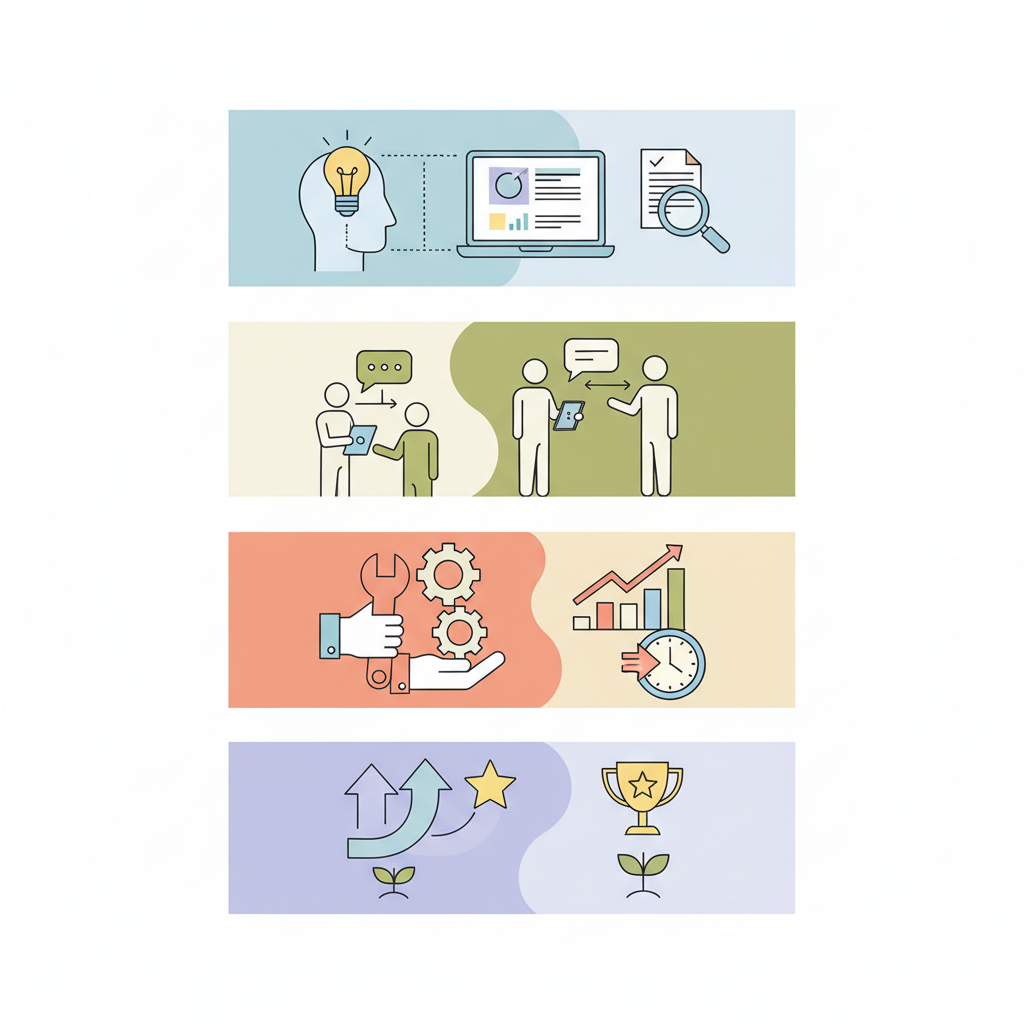
Addressing the leadership development gap does not require abandoning flexible work or rebuilding large management layers. It requires treating leadership as a continuous practice rather than a course. HR teams can start by identifying the handful of leadership moments that matter most in their organization—difficult feedback, prioritization under constraint, managing conflict, influencing without authority—and then create low-risk ways for emerging leaders to practice them. Stretch assignments, peer coaching, reverse mentoring, and structured debriefs can all help.
Measurement also needs to change. Too many organizations track learning hours or completion rates rather than whether leaders actually improve team outcomes, retention, or decision quality. HR leaders can shift the conversation from “how many people completed training” to “how many people are ready for the next level and how do we know.” That evidence is harder to collect, but it is more useful.
For organizations that rely on distributed and flexible teams—including those using platforms such as XMF—the challenge is to make leadership development visible and deliberate even when people rarely share a hallway. The companies that solve this will not only ease HR leaders’ fears; they will build a more resilient pipeline of managers who can lead well across distance, time zones, and change.
Originally published by XMF, inspired by publicly reported industry news.