Artificial intelligence is reshaping how work gets done, but a growing body of evidence suggests that many employees feel like passengers on
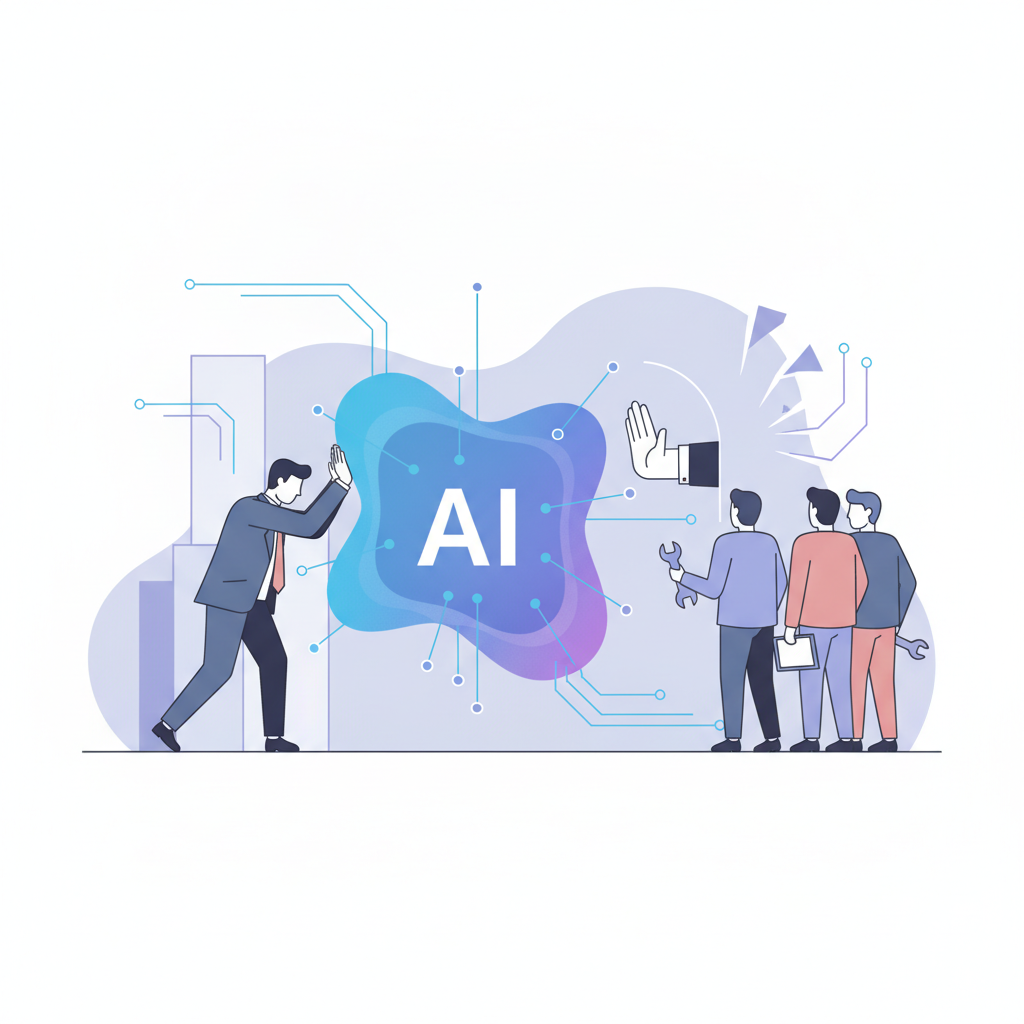
Artificial intelligence is reshaping how work gets done, but a growing body of evidence suggests that many employees feel like passengers on a journey they did not choose. While executives announce pilots, roll out assistants, and reimagine workflows, workers often report that they do not understand what these changes mean for their daily tasks, their performance expectations, or their long-term prospects.
This disconnect is not simply a communication hiccup. It is a strategic risk that can slow adoption, reduce trust, and push talented people to look for employers who treat them as participants rather than bystanders.
The adoption gap is wider than leaders think
Leadership teams often assume that if a tool is available, employees are using it — and if a strategy has been announced, employees have absorbed it. In practice, the gap between organizational AI maturity and individual AI readiness remains significant. Research from workforce surveys involving frontline and knowledge workers alike shows that many employees have not received clear guidance about which AI tools are approved, how their roles will change, or what new skills will be valued.
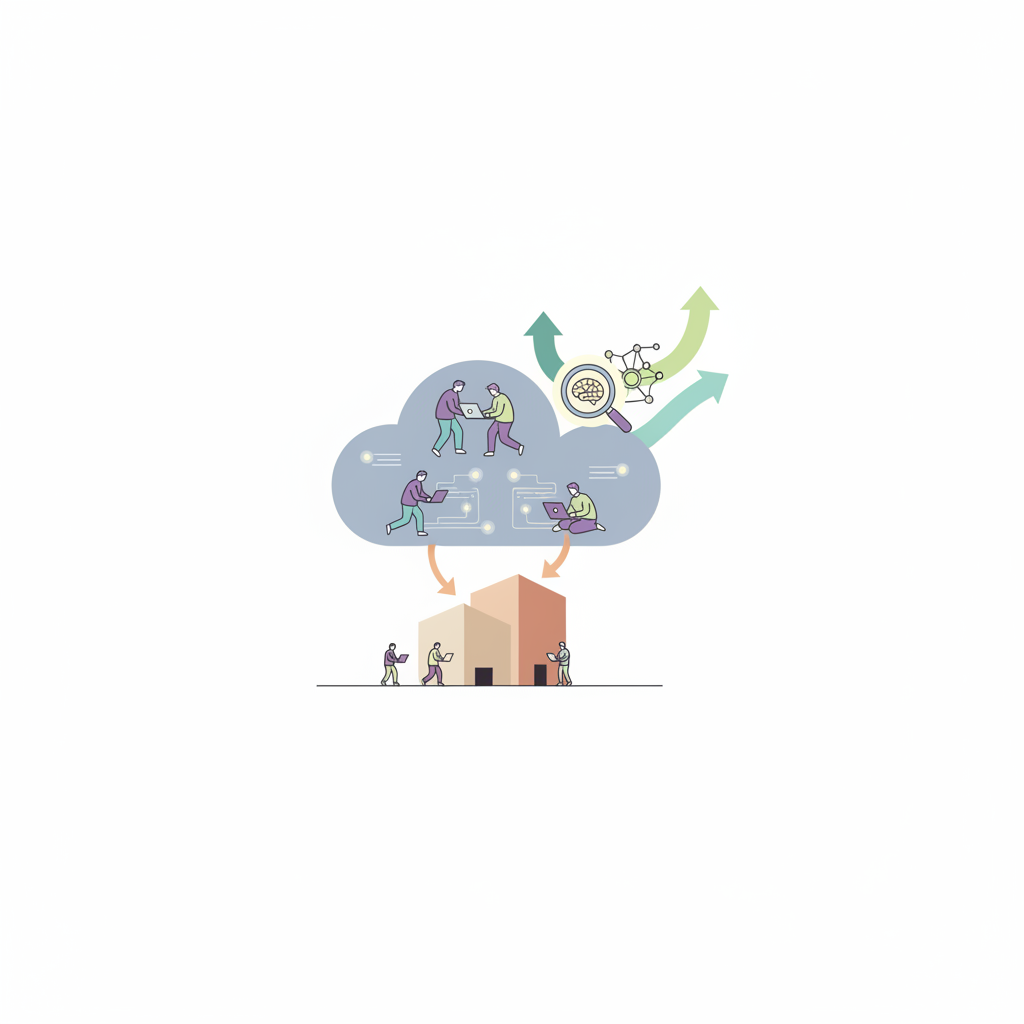
Some workers discover AI-driven changes through informal channels: a colleague mentions a new dashboard, a manager changes a workflow, or a performance metric shifts without explanation. Others hear about AI only through company-wide emails that focus on efficiency and transformation but offer little practical detail. For remote and hybrid employees, this problem can be even more acute, because they have fewer hallway conversations and ad hoc briefings to fill in the gaps.
Why silence fuels anxiety and resistance
When information is scarce, people do not remain neutral. They speculate. Employees who sense that automation is arriving but have no clear picture of its scope often default to worst-case thinking: their job will be eliminated, their expertise devalued, or their workload increased without additional support. That mindset can trigger quiet resistance, lower engagement, and reluctance to experiment with new tools.
Anxiety is not a sign that employees are anti-technology. In most cases, it is a response to ambiguity. Workers who understand why a tool is being introduced, what problems it will solve, and how it will affect their responsibilities are far more likely to engage with it constructively. Conversely, when change feels done to them rather than with them, even useful tools can be met with cynicism.
This is particularly relevant for frontline and operational roles, where AI may alter shift scheduling, task allocation, quality checks, or customer interactions. Without a deliberate communication strategy, those employees may experience the disruption without ever seeing the intended benefit.
From top-down mandates to two-way communication
HR leaders and people managers have a central role in closing this gap. AI adoption should be treated as an organizational change initiative, not merely a technology project. That means involving employees early, explaining the rationale in plain language, and creating structured opportunities for questions and feedback.
Effective communication does not need to be polished or exhaustive. It needs to be honest, consistent, and relevant. Employees want to know what is changing, when it will affect them, what support is available, and how decisions about job design will be made. Managers should be equipped to have these conversations, because they are often the most trusted source of information for their teams.
Skills development also matters. AI literacy should not be reserved for technical staff. Short, practical learning modules — focused on how a specific tool works, how to prompt effectively, how to verify outputs, and how to flag risks — can reduce fear and build confidence. Training should be linked to real workflows so that employees can immediately apply what they learn.
Turning uncertainty into readiness
Organizations that communicate well about AI tend to see faster adoption and healthier employee sentiment. They use pulse surveys, team meetings, and feedback channels to understand where confusion or resistance is concentrated. They adjust their messaging based on what they hear. They recognize that readiness is not a single announcement but an ongoing conversation.
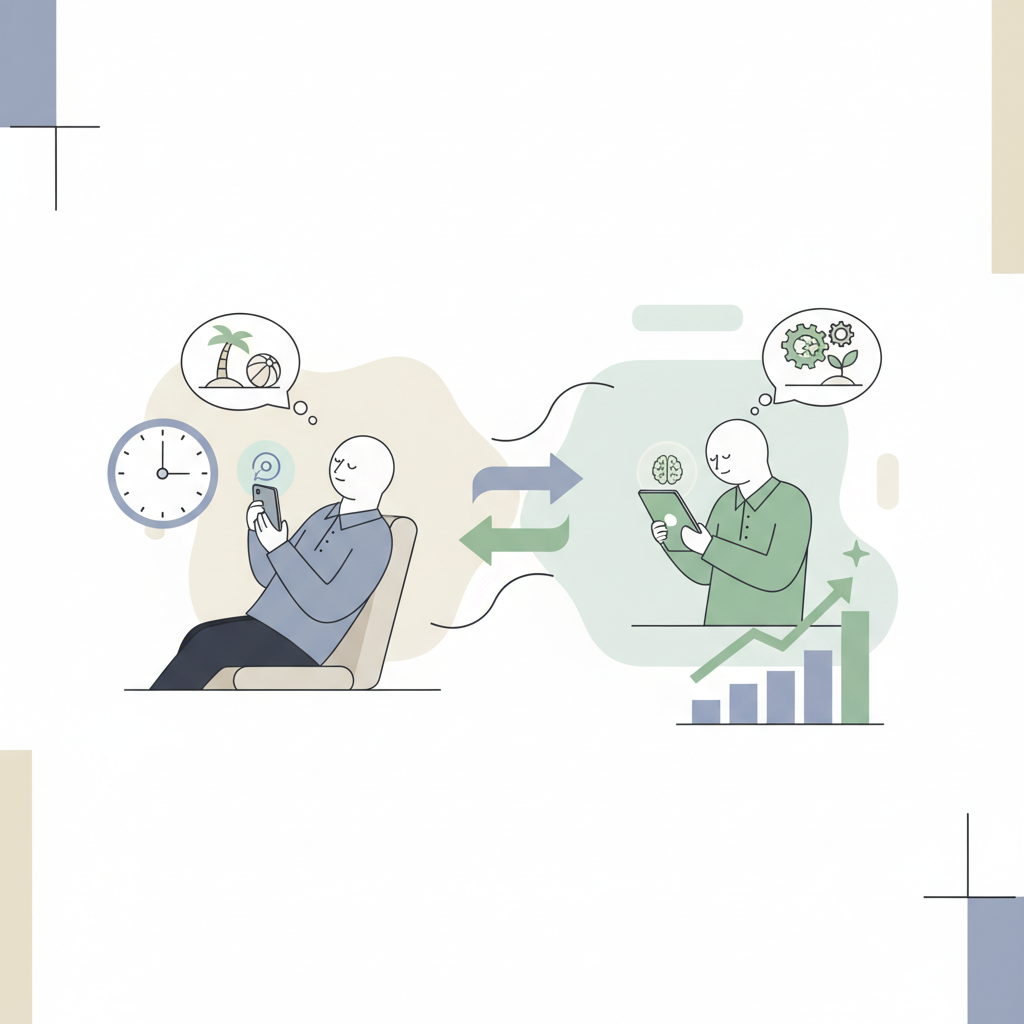
For remote and flexible teams, this conversation must be designed for asynchronous environments. Written updates, recorded walkthroughs, and accessible FAQs can help ensure that employees in different time zones and work arrangements receive the same quality of information. For platforms that support flexible staffing and distributed work, such as XMF, clear communication about role expectations and skill changes is especially important as AI reshapes the boundaries of many jobs.
The companies that navigate AI disruption most successfully will not necessarily be those with the most advanced tools. They will be the ones that bring their people along — with clarity, respect, and a genuine commitment to shared progress.
Originally published by XMF, inspired by publicly reported industry news.
When employees at one of the world’s most AI-focused companies start advising outsiders on how to get past its own automated screening, it i
When employees at one of the world’s most AI-focused companies start advising outsiders on how to get past its own automated screening, it is a signal that AI-driven hiring has a serious trust problem. According to a report by HR Executive, an internal document at Google offers guidance for job applicants on how to navigate or sidestep the company’s AI hiring filters. The existence of such a document does not necessarily mean Google’s tools are broken, but it does suggest that at least some people inside the company believe qualified candidates can be unfairly screened out before a human recruiter ever sees their application.
This tension will be familiar to many HR teams. Automated resume screening, chatbots, and AI scoring systems can process large volumes of applicants, but they also introduce opacity. Candidates often have no idea why they were rejected, while recruiters may not fully understand why certain profiles were ranked higher than others. When internal guidance helps candidates beat the system, it raises deeper questions about whether the system is measuring the right things in the first place.
What the Internal Document Signals
The reported internal document is not an official Google policy or a public statement. Instead, it appears to be the kind of practical advice that circulates among colleagues: how to format a resume, which keywords to include, how to avoid automated rejection triggers, or how to ensure a human reviewer actually sees an application. In many organizations, similar tips are shared informally. What makes this case notable is that the advice is coming from inside Google, a company whose AI tools are widely used and whose hiring practices are closely watched.
For job seekers, such guidance can be valuable but also frustrating. It suggests that passing an AI screen is a skill in itself, separate from being qualified for the role. Candidates who are less familiar with applicant tracking systems, or who have non-traditional career paths, may be at a disadvantage even when their experience is relevant. The document highlights a gap between how employers describe their hiring technology and how it is experienced on the ground.
The Broader Trust Problem in AI Hiring
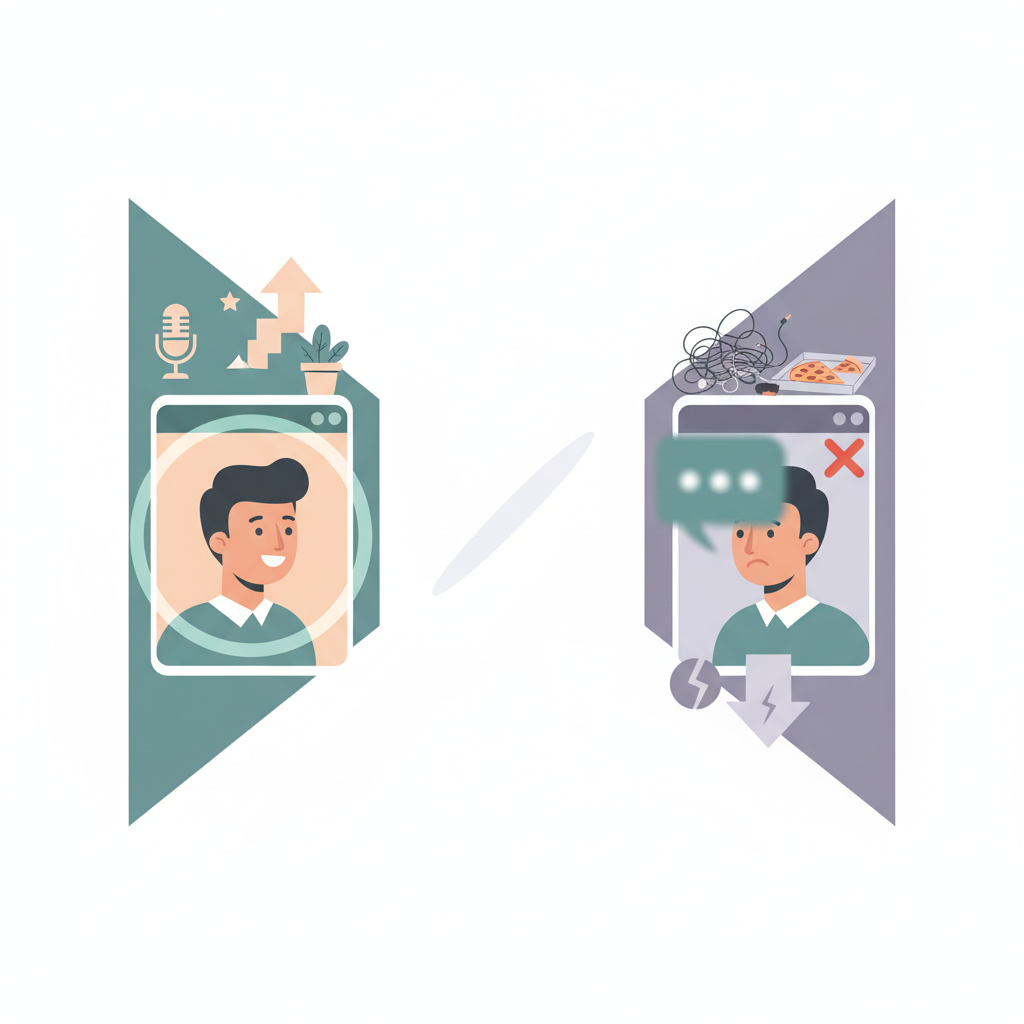
AI screening tools are often sold as a way to reduce human bias and improve efficiency. They can parse thousands of resumes, identify patterns, and prioritize candidates based on predefined criteria. However, if those criteria are too narrow or poorly calibrated, the tools can also exclude strong candidates. The problem is not simply technical; it is also about trust. Candidates want to know that their application will be reviewed fairly, while employees and recruiters want confidence that the technology they use is not quietly undermining the quality of hires.
When internal guidance warns candidates about AI filters, it creates a public relations risk. It can reinforce the perception that the hiring process is a game to be gamed rather than a fair assessment of skills. Over time, that perception can damage an employer’s brand and deter people from applying. HR leaders are then left to manage a difficult balance: automation can save time and reduce administrative burden, but only if candidates and staff believe the process is legitimate.
What HR Teams Should Take Away
For HR professionals, the reported Google document is a reminder to audit AI hiring tools regularly. That means testing for false negatives, checking whether the filters are aligned with the actual requirements of the role, and making sure there is meaningful human oversight. It also means being transparent with candidates about how AI is used. If a company uses automated screening, saying so clearly and explaining what factors are considered can reduce anxiety and build trust.
Another lesson is to listen to internal feedback. Employees often see problems before leadership does. If staff are sharing workarounds for AI filters, that is a signal that the tools may need adjustment. HR teams can create channels for employees to raise concerns without fear of retaliation, and they can use that feedback to improve the candidate experience. In a competitive labor market, a frustrating application process can cost companies talent.
Finally, AI should support human judgment rather than replace it entirely. Automated systems can handle repetitive tasks, but final decisions about a candidate’s fit should involve people who can understand context, career transitions, and potential. That balance is especially important for remote and flexible roles, where candidates may have diverse backgrounds and non-linear career paths. For recruitment and flexible-staffing platforms like XMF, the lesson is that automation should serve hiring without replacing the human judgment candidates expect.
Originally published by XMF, inspired by publicly reported industry news.