Artificial intelligence has quickly become a standard layer in modern hiring. Applicant tracking systems now parse thousands of resumes, ran
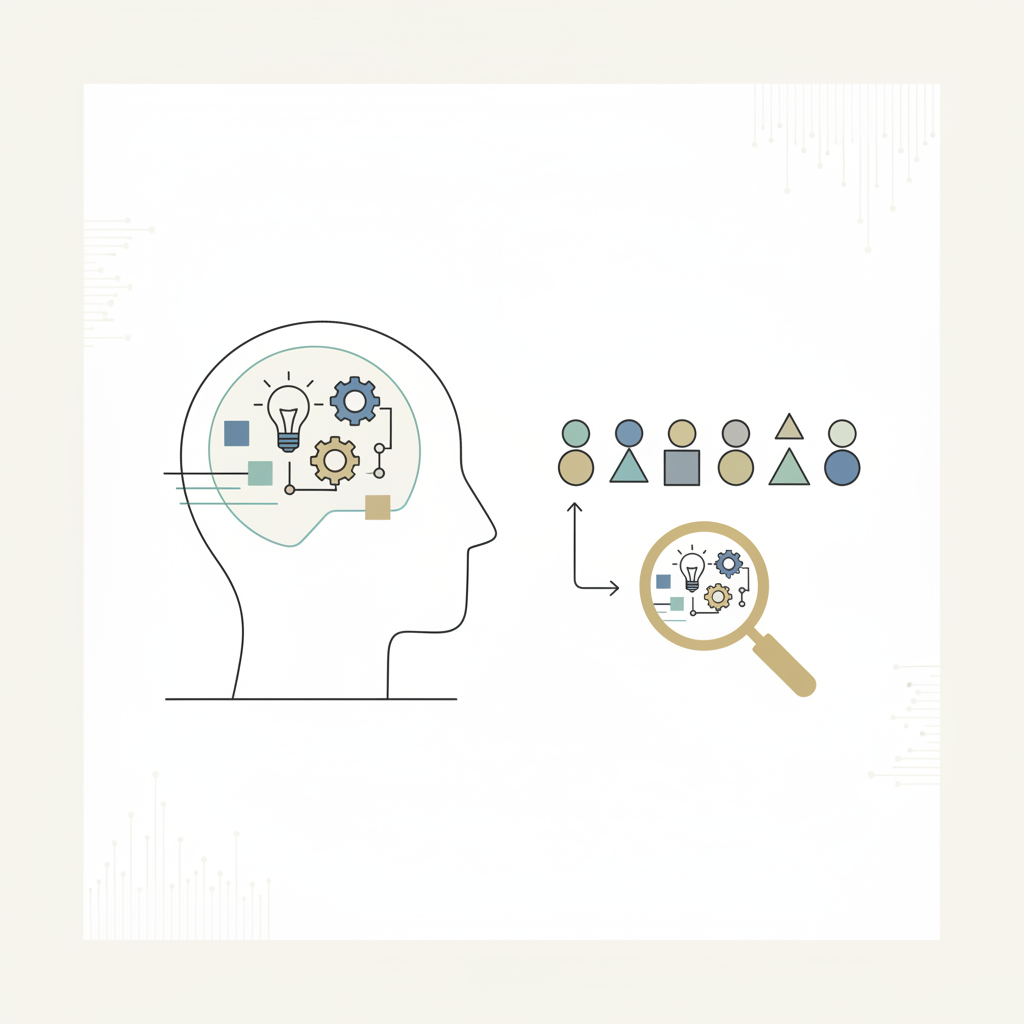
Artificial intelligence has quickly become a standard layer in modern hiring. Applicant tracking systems now parse thousands of resumes, rank candidates by relevance, and promise recruiters a shorter path to a shortlist. Those gains are real, but they come with a less visible trade-off: the same filters that surface strong applicants can also quietly remove qualified people before a recruiter ever sees them.
More Signal, but Also More Blind Spots
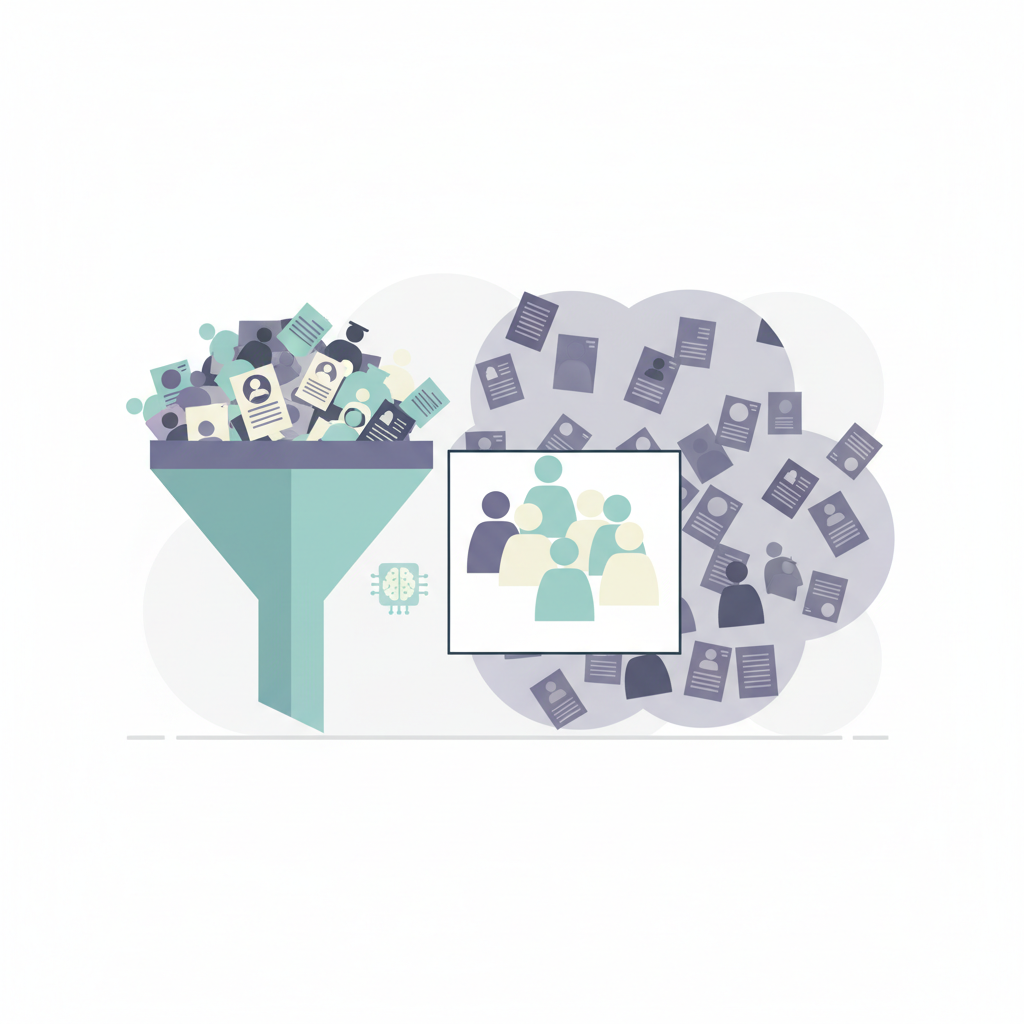
The appeal of AI resume screening is easy to understand. A single remote role can attract hundreds or thousands of applications, and human reviewers cannot give equal attention to every file. Automated systems help by scoring resumes against job descriptions, identifying skills, and clustering candidates by experience. Recruiters often report that the candidates who reach the interview stage are more aligned with the role than in earlier manual processes.
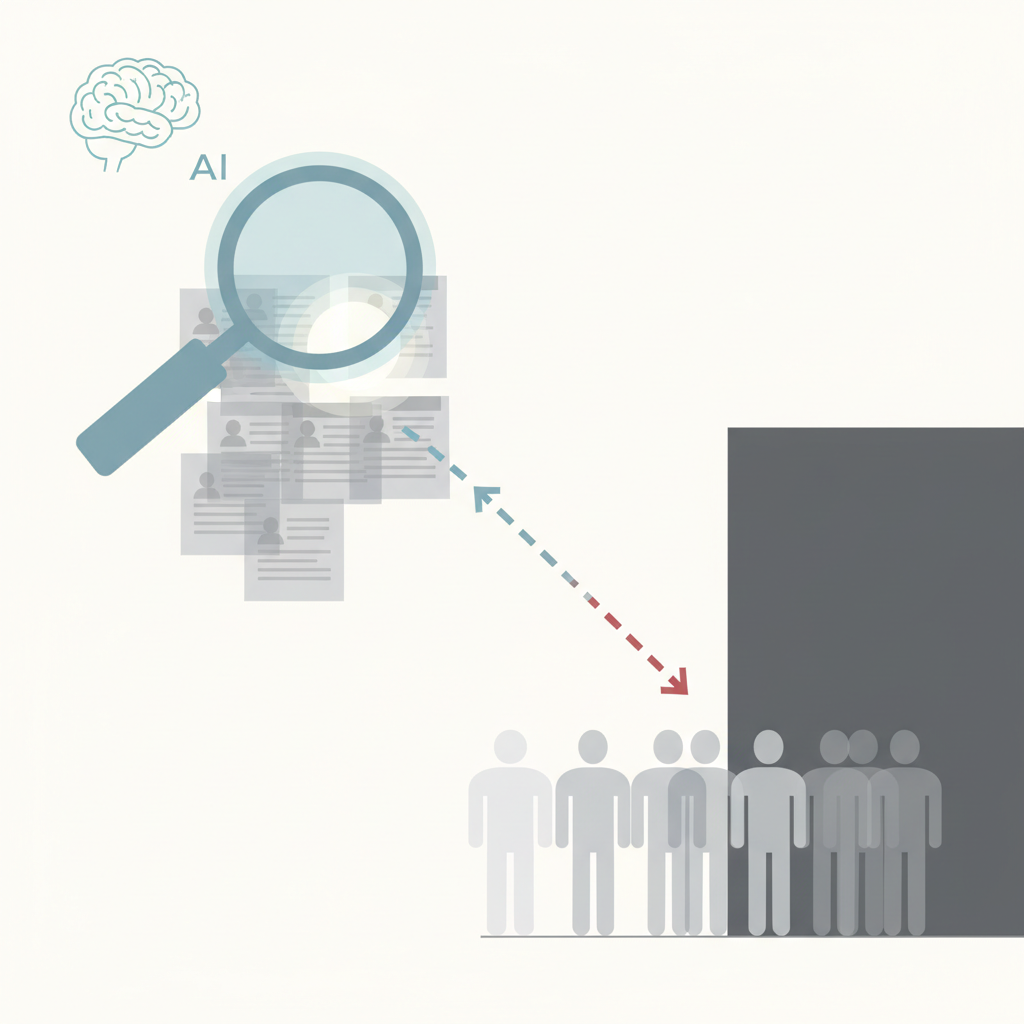
Yet that improvement creates a blind spot. When the top of the funnel feels stronger, it is tempting to trust the system’s judgment for the rest of the funnel. The problem is that automated screening is not neutral. It is shaped by the keywords, titles, and qualifications in a job posting, and by the patterns learned from previous successful hires. Candidates who describe the same skill differently, or whose experience comes from freelance projects, internal transfers, or less common industries, may be ranked lower even when their actual ability matches the role.
Why the Visibility Gap Is Hard to See
The gap is partly a measurement problem. A recruiter can evaluate the candidates who appear on a shortlist, but it is much harder to evaluate the ones who were filtered out. Unless someone audits the rejected pool, the company never learns whether a strong candidate was excluded for the wrong reason. Over time, the system may appear to work because interviews are productive, while the organization slowly narrows the range of backgrounds it considers.
There are also technical reasons for early-stage cuts. Many AI screening tools rely on straightforward matching between the words in a resume and the words in a job description. A project manager who writes coordinated distributed teams may be overlooked for a role that asks for remote team leadership. A candidate returning from a career break may be penalized by a gap in dates even if their skills are current. These are not malicious decisions, but they are systematic ones, and they can disproportionately affect people with non-linear careers, caregivers, older workers, and applicants from countries where job titles differ.
Closing the Gap Without Losing Speed
The answer is not to abandon AI screening. High-volume hiring cannot work without some form of automation, and many tools genuinely reduce bias compared with unfiltered human first impressions. Instead, HR teams should treat automated screening as a decision-support layer rather than a final gatekeeper.
Practical steps include setting wider cutoff ranges so borderline candidates remain visible, reviewing a random sample of rejected applications for each role, and testing job descriptions to make sure required skills are described in plain language that matches how candidates actually write. Regular audits can reveal whether the system is rejecting qualified applicants simply because they use different vocabulary or have unconventional career paths. In some cases, adding a short skills assessment for candidates near the threshold can recover talent that a keyword-based screen would miss.
For distributed and remote-first organizations, the stakes are especially high. Remote roles often attract applicants from many industries and countries, and rigid screening can undercut the very flexibility that remote work is supposed to offer. A balanced workflow, where automation sorts and ranks but human reviewers retain the ability to inspect borderline cases, helps recruiters move quickly without handing the entire top of the funnel to an opaque algorithm. Platforms like XMF can support that balance by making screening criteria visible and allowing hiring teams to review near-threshold applicants before a rejection is finalized.
Originally published by XMF, inspired by publicly reported industry news.
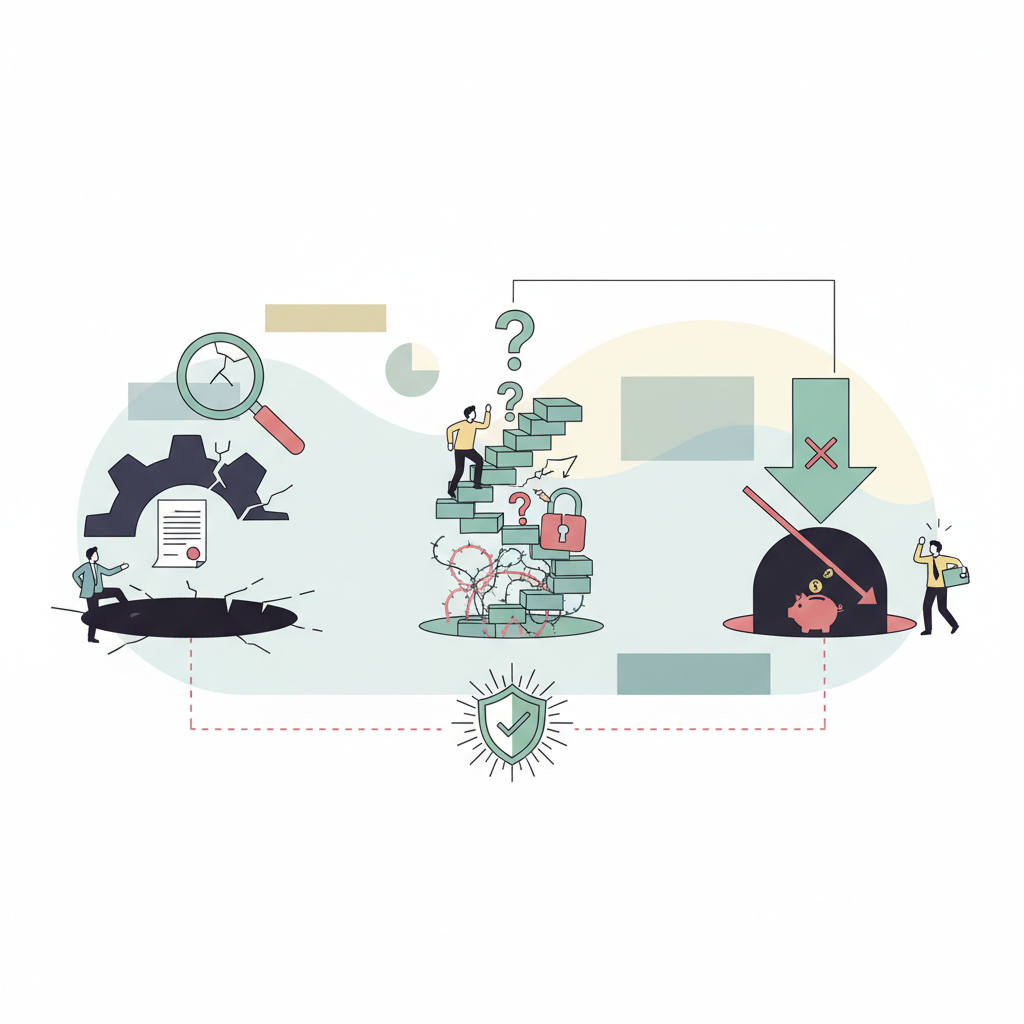
Meta’s reported plan to use AI to replace a much larger share of its workforce than previously known has been scrapped, according to reporti
Meta’s reported plan to use AI to replace a much larger share of its workforce than previously known has been scrapped, according to reporting by Reuters. The reversal was driven by two forces that rarely appear together in automation discussions: employees who resisted the plan and AI agents that simply did not perform well enough. For HR leaders and business executives watching the AI revolution, this is not a story about technology failing once. It is a revealing case study in how workforce automation actually plays out inside a large organization.
The Plan Outpaced the Technology
On paper, replacing human labor with AI agents can look like a clean cost-saving move. But operational reality is different. AI agents can struggle with tasks that require contextual judgment, cross-department collaboration, or access to messy internal systems. They may pass a narrow pilot but break down when asked to handle the exceptions and edge cases that fill a normal workday. At Meta, the agents reportedly failed to deliver reliable outcomes, which undermined the business case for replacing employees.
This matters because Meta has enormous data, engineering talent, and computing power. If its internal AI initiatives cannot yet support broad-based replacement, most other employers should be skeptical of vendor claims that a single tool can eliminate large numbers of roles. That does not mean AI has no place in the workplace—it clearly does—but it suggests that the gap between a compelling demo and dependable enterprise performance remains wider than many leaders assume.
Employee Resistance Is a Business Risk, Not a Side Issue
The second force behind the reversal was employee pushback. Workers who suspect their jobs are being quietly automated tend to disengage, withhold knowledge, or leave. In a high-skill environment, that reaction can be more damaging than the planned savings. Employee resistance can also surface as internal leaks, negative media coverage, and reputational harm, all of which make it harder to hire and retain talent later.
HR leaders should view resistance as diagnostic information. When employees push back against automation, it often means the change process has failed—not that workers are simply afraid of technology. People support transitions when they understand the rationale, see a future for themselves, and believe leaders are being honest. The Meta episode suggests that secrecy and speed can backfire, even at a company known for moving fast.
From Headcount Reduction to Workforce Adaptation
The lesson is not that AI should be ignored. It is that workforce strategy must be built around skills, adaptability, and trust rather than a single-minded focus on reducing headcount. Companies that use AI to augment employees—removing repetitive work, improving decision-making, or supporting flexible staffing—may see more durable gains than those that treat automation as a replacement lever.
For HR teams, this means validating AI against real workflows before linking it to layoff targets, involving employees early, and planning for redeployment rather than simple exit. Some roles will decline, but many will evolve, and organizations need systems that can match people to changing work. Flexible staffing platforms, such as XMF, can support that shift by helping leaders reallocate talent as demand changes.
Meta’s abandoned plan is unlikely to be the last high-profile AI workforce initiative to unravel. But it is one of the clearest signals yet that the future of work will be determined less by AI capability alone and more by how well organizations manage people, process, and change.
Originally published by XMF, inspired by publicly reported industry news.