The expansion of remote work has created flexibility for millions of employees, but it has also introduced a new compliance fault line: inco
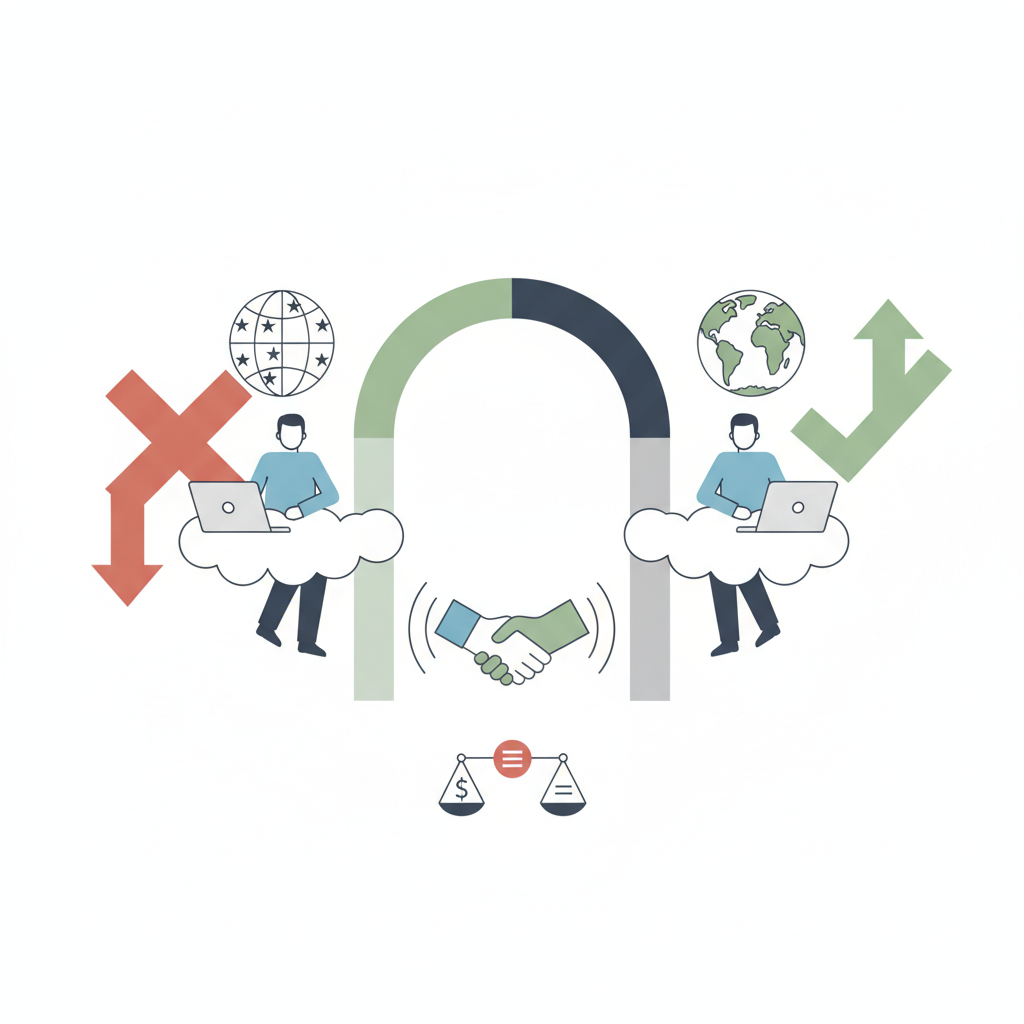
The expansion of remote work has created flexibility for millions of employees, but it has also introduced a new compliance fault line: inconsistent rules for who can work from home. A recent settlement reported by HR Dive shows how costly that inconsistency can be. The case involved an employer that allegedly allowed staff in India to work remotely while not extending the same option to employees in the United States. The U.S. Equal Employment Opportunity Commission treated that disparity as a potential national origin discrimination issue, and the company agreed to settle the charge.
For business leaders, the case is a warning. Remote work is not just an operational or cultural perk. It is a term and condition of employment, and when access to it is divided along national-origin lines, the legal exposure can be significant.
The Legal Risk of Unequal Flexibility
Under U.S. federal law, employers cannot make decisions about hiring, firing, promotions, or the terms and conditions of employment based on national origin. Remote work arrangements can fall squarely within that definition. If a company gives remote work to employees of one nationality while denying it to employees of another—even if the stated reason is location or office—the policy can look like discrimination.
The EEOC’s position is that employment policies must be job-related and consistent with business necessity. A genuine business reason, such as a role requiring physical presence in a lab or a client site, can justify different treatment. But a blanket distinction between countries, without a clear connection to the actual duties of each role, is much harder to defend. Settlements like the one reported by HR Dive suggest that the agency is willing to pursue these cases even when the employer may have viewed the arrangement as ordinary global operations.
When Location Is a Legitimate Factor—and When It Isn’t
There is nothing illegal about having different work arrangements in different countries when those differences are based on real operational requirements. Time-zone coverage, local labor regulations, tax obligations, client schedules, and the need for on-site equipment can all justify why one office is fully remote while another is hybrid or on-site.
The problem arises when nationality becomes a proxy for location. If an employer assumes that employees in India can work remotely because they are in India, while U.S. employees must come into the office because they are in the U.S., the policy may be using geography as a stand-in for national origin. From an enforcement perspective, that can look like the company is preferring one national group over another. The safer approach is to evaluate the role itself: What does this job require? Where does the work need to happen? How much in-person collaboration is truly necessary?
Companies should also remember that the risk runs in both directions. A policy that gives remote work only to U.S. staff while requiring overseas staff to report to an office could create similar concerns, especially if the distinction is not tied to job duties. The key is not any particular country or nationality; it is whether the rule is consistently applied and objectively justified.
Building a Defensible Remote Work Policy
HR teams can reduce risk by making remote work eligibility a structured decision rather than an ad hoc perk. That starts with written criteria based on role requirements: data access, security, client interaction, teamwork, and the need to be in a specific location. Criteria should be applied the same way to comparable roles, regardless of where the employee sits or what passport they hold.
Documentation matters. If a manager denies a remote work request from a U.S. employee while similar employees in another country work remotely, there should be a clear, business-related reason on file. Vague references to “culture” or “management preference” are not enough. Regular audits can help identify patterns that could be seen as discriminatory before they become a charge.
For multinational employers, local legal advice is essential, but it should not replace a global equity review. A policy that is lawful in one country may still create exposure under U.S. law if it affects U.S. employees. The goal is not to make every office identical; it is to ensure that differences are based on work requirements, not on who someone is or where they come from.
As remote work matures, the companies that manage it well will treat flexibility as part of the broader employee experience—with the same compliance rigor as pay and promotion. For HR teams, that means reviewing policies now, before a charge is filed. Platforms like XMF can support that work by helping organizations centralize policy documents and track remote work decisions across locations, but the underlying principle is simpler: flexibility should follow the job, not the nationality.
Originally published by XMF, inspired by publicly reported industry news.
California has approved a broad set of workplace AI measures that will reshape how employers use artificial intelligence in hiring, performa
California has approved a broad set of workplace AI measures that will reshape how employers use artificial intelligence in hiring, performance management, and employee monitoring. The bills, signed in a single flurry of legislative action, aim to bring more transparency to automated decision-making and give workers new rights when algorithms influence consequential employment outcomes. For HR teams and business leaders, the changes are both a compliance challenge and a prompt to rethink how AI tools are selected, deployed, and governed.
Stronger disclosure and anti-bias rules for hiring and promotion
One of the most immediate changes is the requirement to notify employees and applicants when automated systems are used to screen résumés, assess video interviews, rank candidates, recommend promotions, or flag potential discipline. Workers will generally have the right to know that a machine played a role and to request a plain-language explanation of what the system considers and how the final decision was made. The provisions do not ban AI, but they make it much harder for employers to rely on opaque scoring systems without accountability.
The rules also raise the bar on fairness. If an algorithm produces significantly different outcomes for groups protected by anti-discrimination law, an employer may need to show that it conducted appropriate testing, monitored for drift, and kept meaningful human review in the loop. In practice, HR and recruiting teams will need to understand the models behind their vendor platforms, keep records of validation results, and ask harder questions before purchasing a tool that cannot explain its recommendations. For high-volume hiring, this means the days of simply trusting an AI to filter thousands of applicants without clear documentation are over.
New limits on employee monitoring and sensitive data
Remote and hybrid work have made employee monitoring more common, and the California measures respond directly to that shift. Employers that track keystrokes, mouse movement, screen time, webcam use, or location data will face stricter rules about what can be collected, how long information can be stored, and how clearly workers must be told. Some uses of emotion recognition, biometric analysis, or AI that infers employee sentiment from messages and collaboration tools may be restricted or require explicit consent.
For distributed teams, this is especially relevant. A remote worker whose productivity is scored by software that logs activity every few seconds often has little insight into how those metrics are used. Under the new framework, such systems must be justified by a legitimate business need and paired with transparent policies. HR leaders should review not only what monitoring tools are active, but also whether AI is quietly interpreting that data in ways the workforce has not approved. Overly intrusive surveillance can already damage trust and retention; now it can also create direct legal risk.
What HR and business leaders should do now
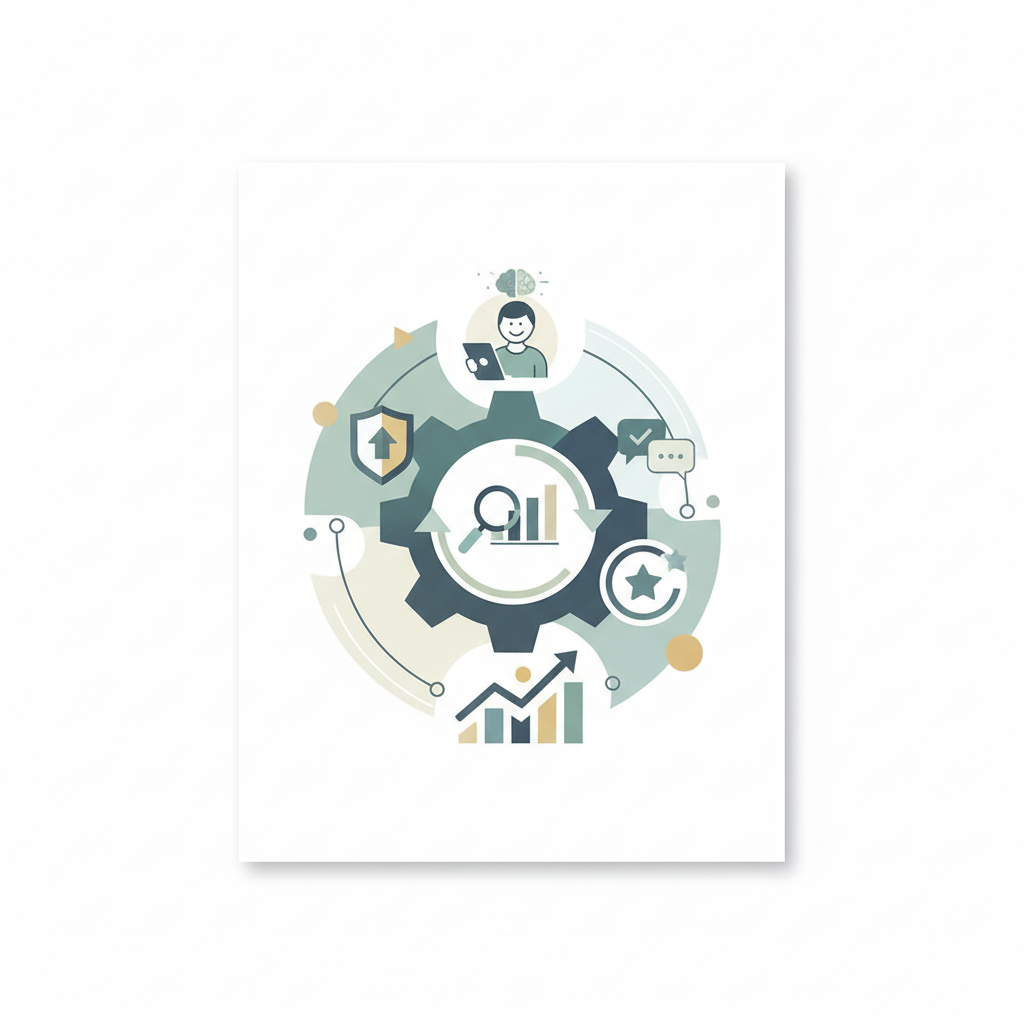
Several of the changes will phase in over the coming months, so organizations should start with a full inventory of AI and algorithmic tools across the employee lifecycle. That includes applicant tracking systems with AI scoring, chatbot screeners, video interview analysis, performance management software, workforce planning tools, and remote monitoring platforms. Legal, HR, and IT teams should map where these systems affect decisions, what data they consume, and whether current contracts, privacy notices, and internal policies match the new obligations.
The next step is to strengthen human oversight. The laws do not force companies to abandon AI, but they do make fully automated decisions riskier. A human should review significant actions such as rejections, terminations, demotions, and pay changes, and that review should be substantive rather than a formality. Documenting who looked at what, when, and why will be essential if a decision is later challenged.
Finally, update employee-facing communications and train managers to explain AI’s role honestly. Clear notice, accessible explanations, and a visible option for human reconsideration can reduce confusion and legal exposure. As remote and flexible work platforms continue to mature, the ability to show transparent, human-reviewed hiring workflows is becoming a competitive advantage. In that environment, platforms like XMF, which help organizations manage remote staffing with clearer visibility into HR processes, fit naturally with the direction these rules are taking.
Originally published by XMF, inspired by publicly reported industry news.