Employee turnover is often treated as an HR metric, a number that appears in quarterly dashboards and then fades from the leadership agenda.
Employee turnover is often treated as an HR metric, a number that appears in quarterly dashboards and then fades from the leadership agenda. Yet a recent HR Dive analysis points to a more direct consequence: poor talent retention is now holding back business expansion. When experienced employees leave, they take more than their salaries off the payroll. They take client relationships, institutional knowledge, decision-making context, and often the confidence of teammates who remain. In a global labor market where skilled workers can move faster than ever, companies that focus on hiring without fixing retention are effectively trying to fill a bucket with a widening hole.
This challenge is especially visible in remote and hybrid organizations. Without the informal watercooler moments that used to preserve unspoken knowledge, the departure of a single key employee can leave a much larger operational gap. Teams may lose access to undocumented workflows, vendor contacts, or historical context that was never written down. In a distributed setting, that loss is not always immediately obvious, which makes it even more dangerous for long-term growth.
The Hidden Cost of Losing People
Replacing a skilled employee is expensive, but the biggest costs are rarely visible on an invoice. Recruitment fees, advertising, interviewing time, and onboarding all consume resources. Those direct costs, however, are often smaller than the indirect damage: delayed projects, reduced team morale, missed client deadlines, and the extra workload placed on remaining staff. When a high performer leaves, colleagues may begin questioning their own future, and if departures cluster in a single team, productivity can drop sharply.
For growth-focused companies, retention is not merely about reducing costs; it is about preserving the conditions that make expansion possible. A product launch can slip because the one engineer who understood a legacy system is gone. A sales pipeline can weaken because a trusted account manager moved to a competitor. These are growth problems, not just HR problems.
Why Employees Are Leaving Now
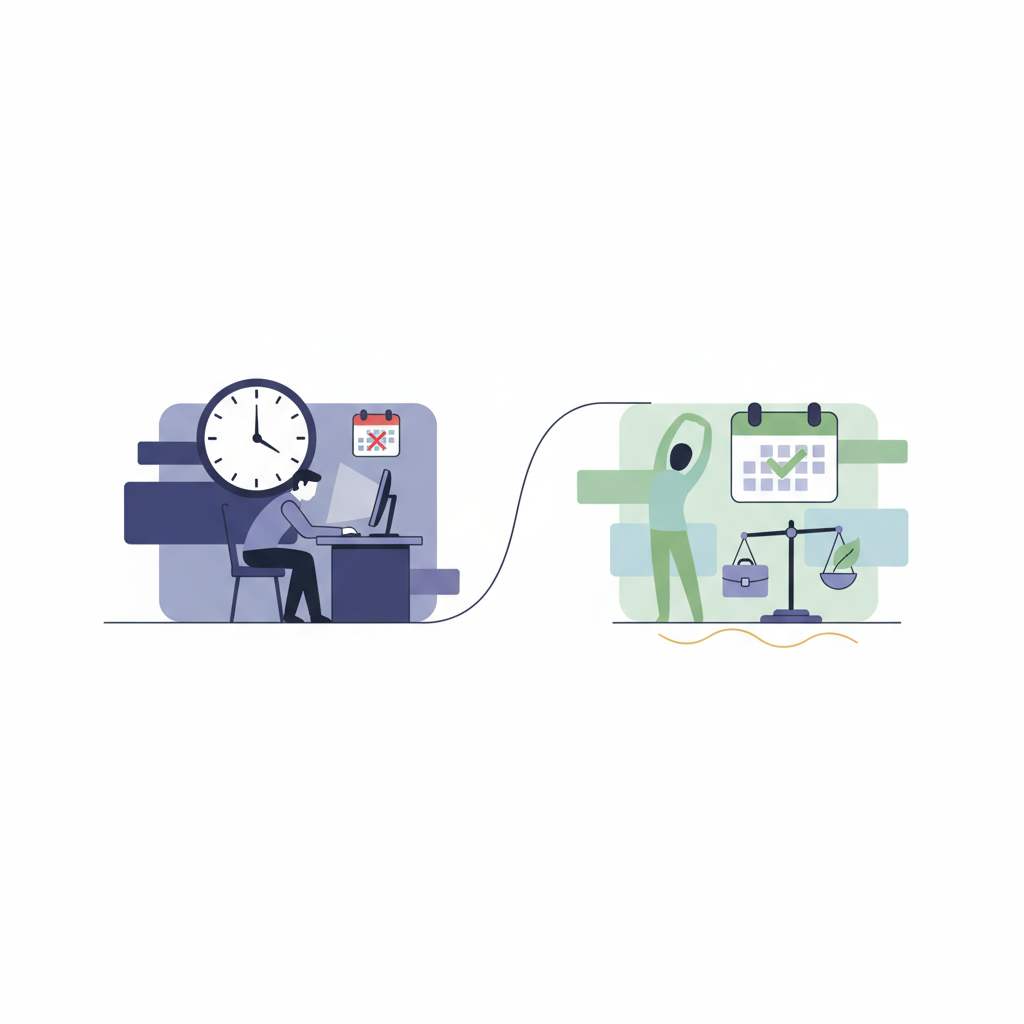
Compensation remains important, but it is rarely the only reason people leave. Many employees exit because they cannot see a clear career path, because their manager does not support their development, or because work demands have become unsustainable. In remote and hybrid roles, isolation and lack of feedback can accelerate disengagement. Employees who once tolerated a long commute for a community at the office may now expect flexibility without sacrificing connection.
At the same time, global competition for talent has intensified. A professional in one country can now apply for a remote role on another continent within minutes. That creates opportunity, but it also means that employers must be more intentional about retaining people who have options. Rigid workplace policies, poorly designed onboarding, and a lack of recognition can quietly push valuable employees toward other offers.
Building a Retention-First Culture
Retention improves when companies treat it as a strategic priority rather than an annual survey item. Regular stay interviews can uncover dissatisfaction before it becomes a resignation. Clear internal mobility pathways give employees a reason to grow without leaving. Manager training helps leaders give feedback, recognize contributions, and spot early warning signs of burnout. Flexible work policies should be designed around outcomes, not presenteeism.
Data also matters. HR teams can track patterns in exit interviews, engagement surveys, and performance reviews to identify teams or roles with elevated flight risk. For organizations that combine full-time staff with contractors or gig workers, retention signals may be harder to read. Some HR teams are using workforce platforms such as XMF to keep those signals visible across both flexible and permanent roles.
Ultimately, companies that retain well do not simply save money. They move faster, serve clients more consistently, and build the internal trust needed for long-term expansion. Retention may not be the most glamorous topic, but it is one of the clearest levers for sustainable growth.
Originally published by XMF, inspired by publicly reported industry news.
For many companies, talent retention still ranks below customer acquisition, product development, and cost control on the strategic agenda.
For many companies, talent retention still ranks below customer acquisition, product development, and cost control on the strategic agenda. Yet that hierarchy may be exactly why growth stalls. When experienced employees leave, they take with them not only their individual output but also the subtle, uncodified knowledge of how things actually get done: which client prefers a phone call, which internal process can be shortened safely, which past mistake should not be repeated. Replacement hires, no matter how talented, need months to rebuild that context.
The problem has become more urgent with the normalization of remote and hybrid work. In a traditional office, a dissatisfied employee might bump into a manager by the coffee machine and give a warning sign. In a distributed team, the same person can quietly interview elsewhere for weeks while still appearing online. By the time the resignation arrives, the departure is often irreversible — and the team left behind inherits the workload, accelerating further burnout and turnover.
The hidden cost of constant turnover
Turnover is frequently framed as an HR metric, but its consequences show up on the income statement. Recruitment fees, onboarding time, and lost productivity are only the visible layer. Less visible but often more damaging are the slowdowns in product launches, the erosion of client relationships, and the loss of internal mentorship that would have developed the next generation of leaders. A company that constantly replaces mid-level and senior staff may still report strong quarterly numbers while gradually losing the organizational muscle required for long-term expansion.
Remote work amplifies these costs because the labor market is now global. A skilled professional can compare offers from employers in multiple time zones without relocating. That is good for workers, but it means companies that rely on outdated retention tactics — such as occasional salary reviews or annual engagement surveys — are competing against organizations that actively design their culture, communication, and career paths around flexibility and trust.
Why retention efforts often miss the mark
Many retention programs fail because they target symptoms rather than root causes. A retention bonus may delay a resignation by a few months, but it does not fix a toxic manager, an unclear promotion path, or a workload that has become unsustainable. Exit interviews often reveal the same themes: people do not leave companies in the abstract; they leave situations. They leave because they feel invisible, because their growth has plateaued, or because the flexibility they were promised has been quietly replaced by an always-on expectation.
In remote and hybrid settings, the quality of day-to-day communication matters more than office perks. Employees want clear priorities, consistent feedback, and the autonomy to manage their own time. When those elements are missing, even a generous compensation package can feel like a cage. Leaders who ask only “how is the project going?” miss the deeper question: “does this person believe they have a future here?” Without that belief, engagement becomes performance art, and departure becomes a matter of timing.
Building a workplace people don’t want to leave
Improving retention does not require a massive budget or a complete organizational overhaul. It starts with consistent, honest conversations about role expectations, career development, and workload. Managers should be trained to recognize early signs of disengagement, not just missed deadlines. HR teams need systems that make it easy to track internal mobility, document skills, and identify employees who may be ready for a new challenge before they start looking elsewhere.
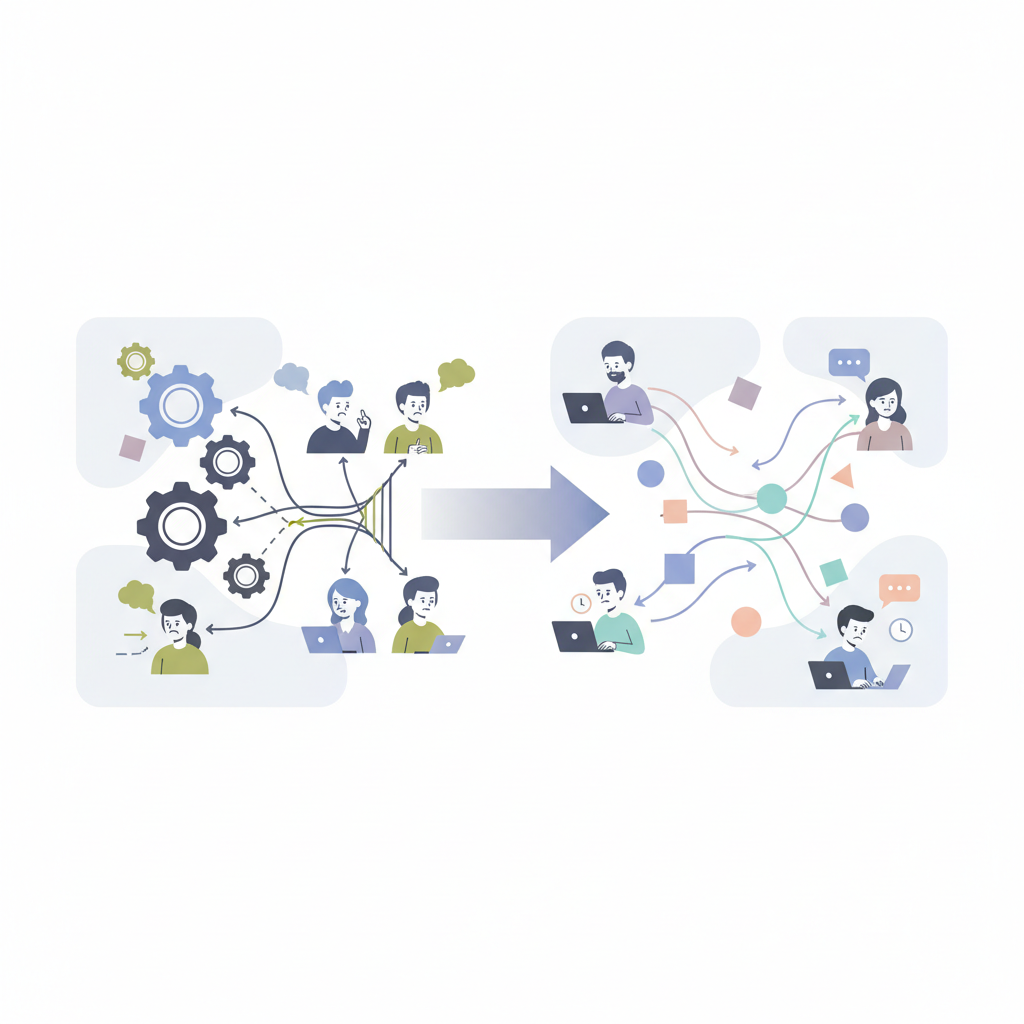
For distributed teams, retention is closely linked to operational clarity. When remote workers have reliable schedules, well-documented processes, and access to the tools they need, they are less likely to feel isolated or frustrated. On the other hand, when every task requires a video call and every decision circles back to a time-zone-biased headquarters, talented people begin to question whether their location makes them second-class employees.
Technology can support these efforts, but it cannot replace judgment. Platforms like XMF can help remote-first organizations manage flexible staffing and HR workflows more efficiently, yet the real work of retention remains human: noticing when someone is struggling, making space for honest feedback, and following through on promises. Companies that treat retention as a strategic priority rather than a reactive HR task are far more likely to convert their talent into sustained, compounding growth.
Originally published by XMF, inspired by publicly reported industry news.