Across many organizations, the people closest to AI systems are also the most aware of where those systems could go wrong. Engineers and dat
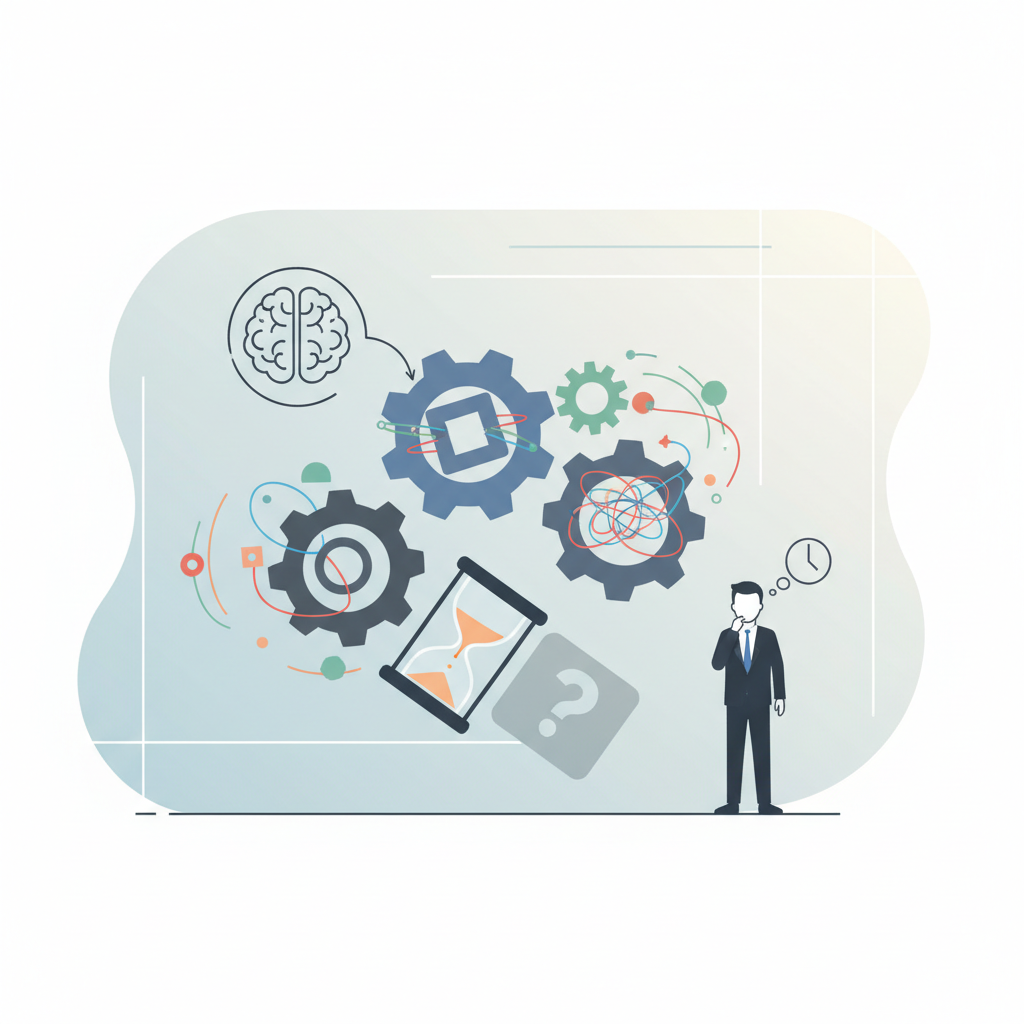
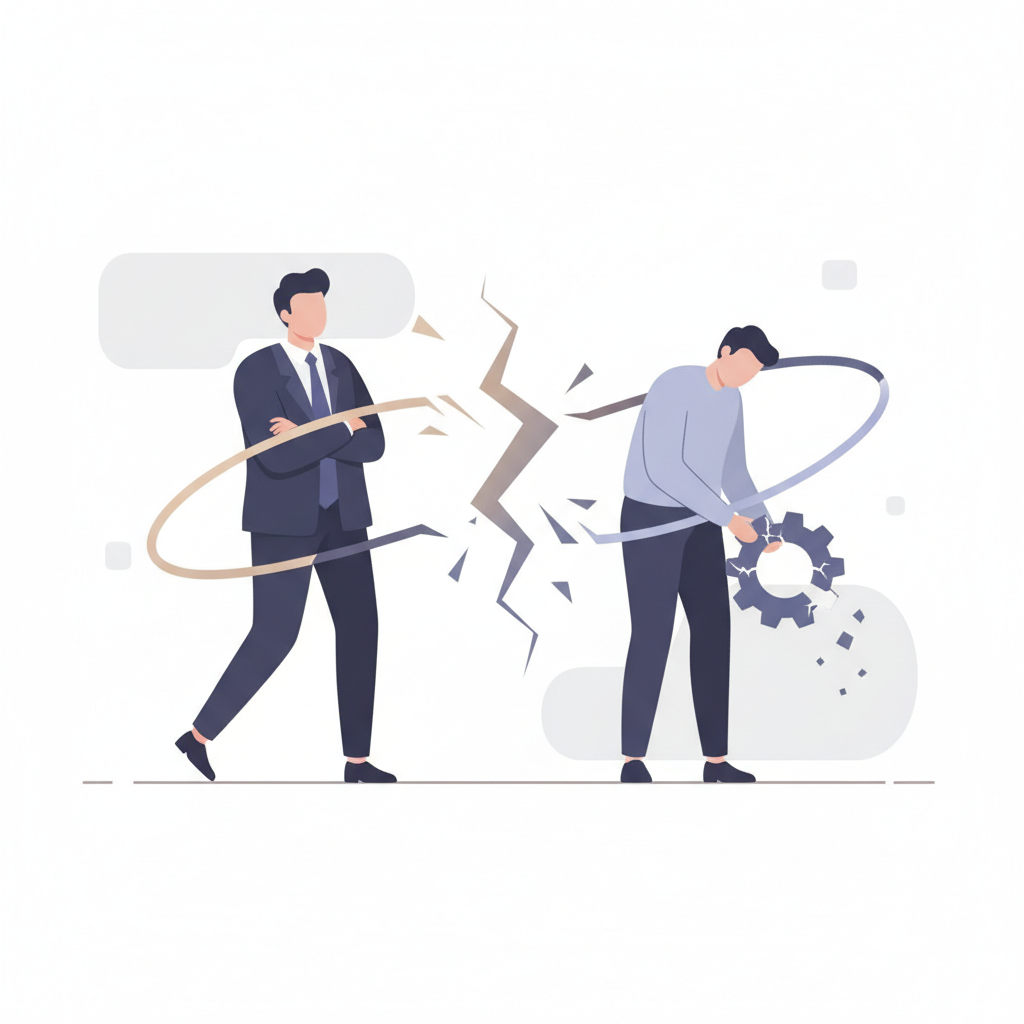
Across many organizations, the people closest to AI systems are also the most aware of where those systems could go wrong. Engineers and data scientists often see biased training data, unexplainable model outputs, privacy gaps, or deployment choices that deserve a second look. Yet acknowledging these concerns inside a company remains surprisingly difficult. A recent analysis of AI ethics in the workplace, highlighted by HR Dive, argues that the problem is not a lack of technical knowledge: it is a workplace culture that quietly discourages people from raising red flags until something has already gone wrong.
The knowing-doing gap in AI ethics
Engineers are rarely confused about whether a model can produce discriminatory results or whether a dataset contains sensitive information. They can spot the difference between a robust test and a rushed launch. The gap is between what they know privately and what they feel safe saying publicly inside their organization. In meetings, concerns can be softened as just a thought or postponed indefinitely. In code review, ethical objections may be reduced to performance metrics, because that is the vocabulary rewarded by leadership.
This pattern creates a dangerous form of institutional silence. When the people with the deepest technical understanding do not speak, executives may believe a system is safer than it is. Risk registers remain incomplete, compliance teams investigate too late, and customers or employees eventually discover the harm. The AI system becomes not only a technical liability but a cultural one.
How workplace culture silences warnings
Several forces reinforce the silence. One is the perception that raising an ethical concern will be framed as a lack of commercial pragmatism. Engineers may fear being labeled as blockers, idealists, or people who do not understand business deadlines. In performance reviews, those who raise uncomfortable questions can be seen as less productive, especially if their warnings slow down a launch.
Another force is structural ambiguity. Many companies have no clear owner for AI ethics. Should a developer report a problem to their line manager, the legal team, the data protection officer, or an ethics board that does not exist? Without a visible and protected route, employees rationally choose silence. Even when policies exist, they often focus on compliance training rather than on day-to-day engineering decisions, so the gap between principle and practice remains wide.
Remote and hybrid work can make the problem worse. In distributed teams, there are fewer casual corridor conversations where someone might quietly say, “I am not comfortable with how this model is being used.” Written channels may be public, searchable, and intimidating. If a concern is raised in Slack, the entire team can see it, and the person who speaks up may feel exposed. The result is that ethical reflection stays private.
Building a speak-up culture for AI teams
Organizations that want to reduce AI risk need to treat internal dissent as a control, not an obstacle. That starts with leadership signals. Senior managers should ask engineers directly about what could go wrong, in private and in public, and then respond without defensiveness when the answer is inconvenient. A simple question such as “What is the worst realistic outcome of this release?” can open a conversation that a generic risk checklist cannot.
Clear escalation paths matter just as much. Companies should designate an AI ethics owner or review group, give it real authority, and make its role visible to technical staff. Reporting a concern should be possible without routing through an immediate manager, because not every manager will reward honesty. Anonymous channels can help, but they should not replace direct conversation. The goal is to normalize ethical objections as part of normal engineering work, not as an exceptional act of courage.
Finally, ethics should be embedded in the development process itself. Model cards, bias checks, data lineage reviews, and post-deployment monitoring should be as routine as unit tests. When these practices are part of the workflow, raising a concern becomes less personal—it is simply a defect report about a system, not a criticism of a colleague or a threat to a launch date. For remote and hybrid teams, having a structured digital channel to document concerns can help; tools such as XMF can support that documentation, but only if the culture treats the channel as safe and responsive.
Originally published by XMF, inspired by publicly reported industry news.
AI-powered meeting assistants have moved from novelty to default in many organizations. They join video calls, transcribe conversations, sum
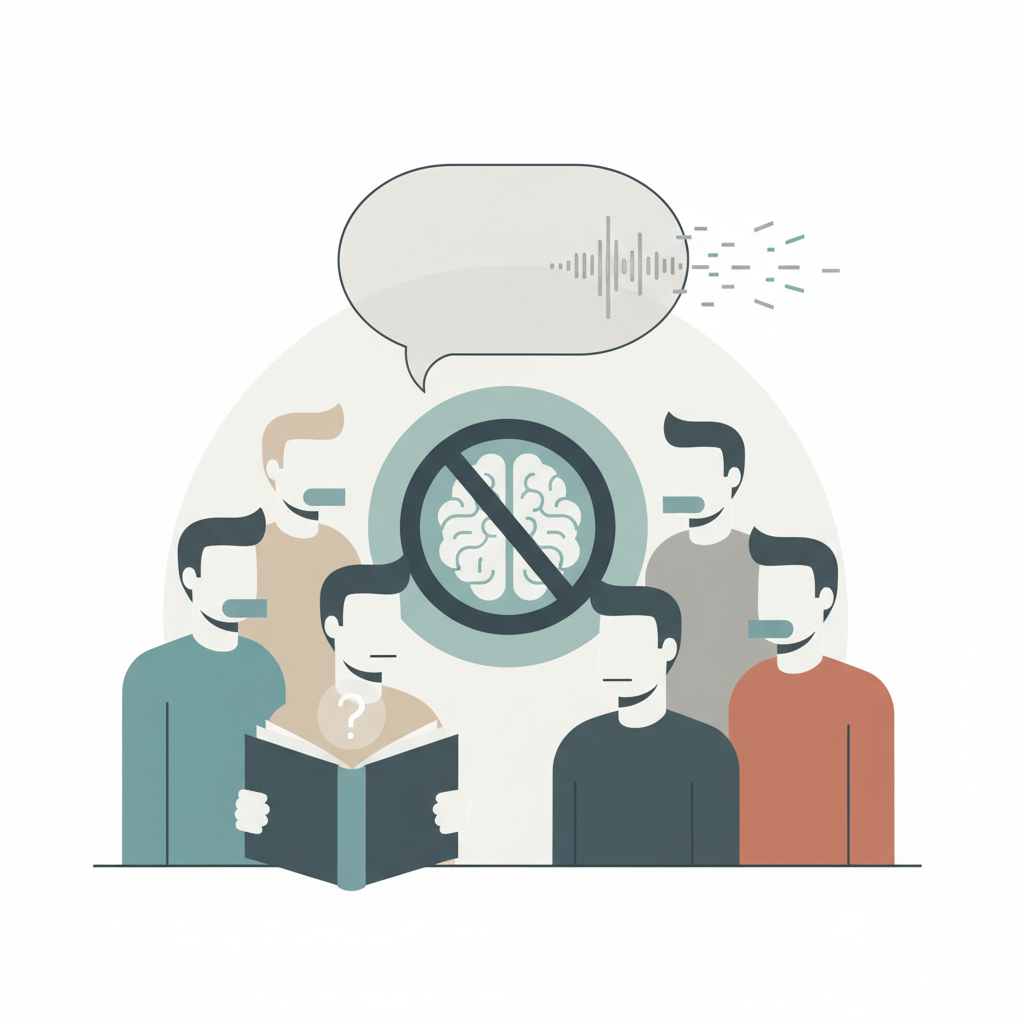
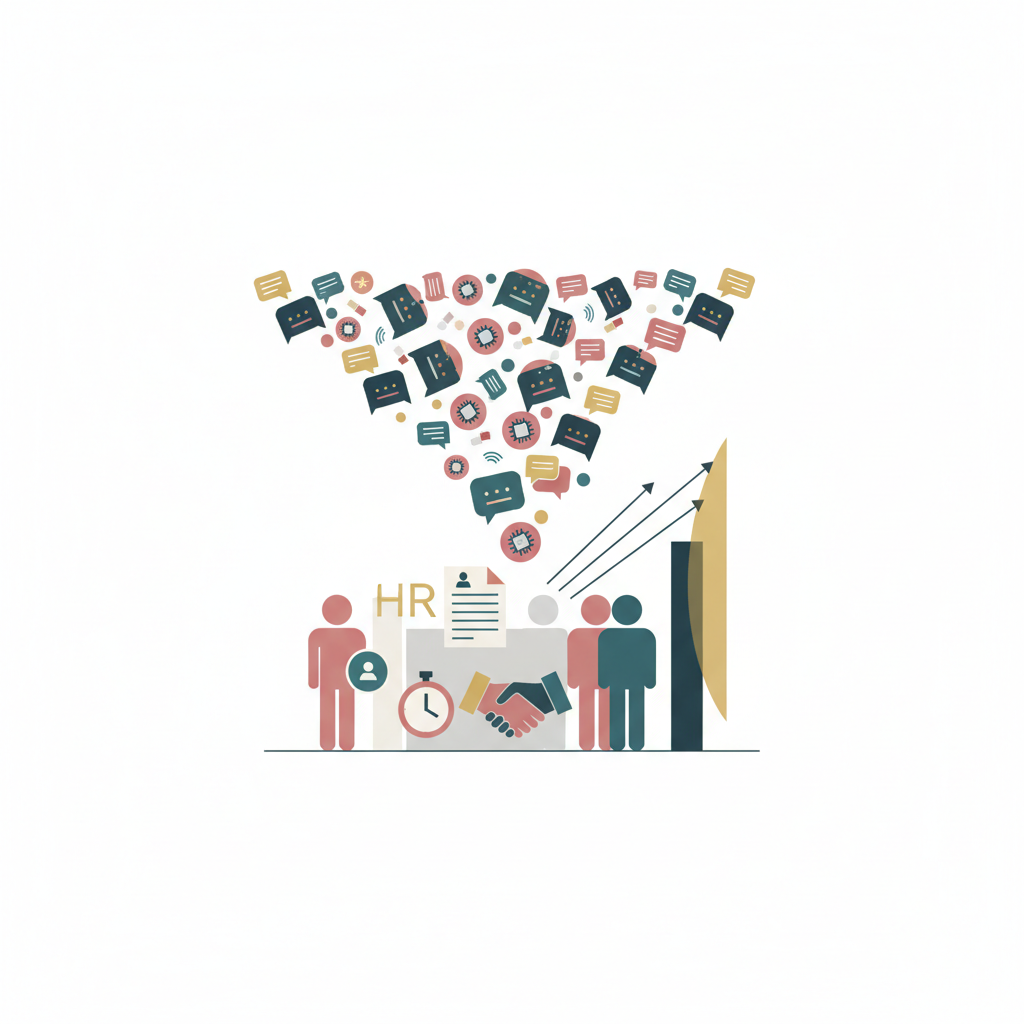
AI-powered meeting assistants have moved from novelty to default in many organizations. They join video calls, transcribe conversations, summarize action items, and promise to free employees from note-taking. In HR, however, the convenience arrives with a distinct set of risks. The same tool that captures a routine hiring debrief can also record a confidential discussion about a disciplinary case, a medical accommodation, or a salary adjustment. HR teams are increasingly expected to use these tools, but experts caution that adoption without clear boundaries can undermine employee trust and create legal exposure.
The Real Appeal of Automated Notes
The case for AI notetakers is straightforward. Meetings are frequent, documentation is uneven, and human notes often miss key details. An AI assistant can produce a searchable record, highlight decisions, and reduce the administrative burden on HR generalists and recruiters. In distributed and hybrid teams, where participants may be spread across time zones, a consistent summary helps keep everyone aligned without relying on one person’s memory.
For HR specifically, better documentation can improve consistency in hiring panels, performance reviews, and employee relations cases. When notes are accurate and standardized, HR professionals spend less time reconstructing what was said and more time addressing issues. That operational benefit is real, and it explains why many people teams are pushing for wider use of notetakers rather than banning them outright.
Where HR Needs to Draw the Line
The difficulty is that not all meetings are appropriate for automated capture. HR conversations often involve sensitive personal data, including health information, family circumstances, and protected characteristics. Recording and storing these discussions creates a record that may be subject to data protection rules, employee access requests, or discovery in legal disputes. If an AI tool retains audio, transcripts, or summaries by default, HR may be creating liability without intending to.
Employee consent is another boundary. In many jurisdictions, recording a conversation requires notice and, depending on local law, affirmative consent. An AI notetaker that silently joins a call can feel like surveillance, especially if employees are not told what is being captured, how long it is kept, and who can access it. Even when consent is obtained, HR must consider power dynamics: an employee in a performance review may not feel free to decline a recording requested by their manager.
There are also practical risks. AI transcription is not perfectly accurate, particularly with accents, overlapping speech, or industry jargon. A flawed summary in an HR file can become the basis for a later decision or grievance. If HR treats the AI output as authoritative without human review, a single misheard phrase can escalate into a formal dispute.
Turning Caution Into Policy
Experts say HR should not reject AI notetakers, but should set explicit rules before deployment. A useful policy covers which meeting types are eligible for automated notes, which require human note-taking, and which should not be recorded at all. For example, routine project updates or recruiting kickoff calls may be low risk, while disciplinary hearings, exit interviews, and accommodation discussions should usually remain AI-free by default.
The policy should also define retention. Meeting recordings and transcripts should not live indefinitely in an AI vendor’s cloud storage. HR and IT teams need to agree on deletion schedules, access controls, and vendor data processing terms. Employees should know when a notetaker is active, what it captures, and how to request a copy or deletion of their data. In unionized or highly regulated environments, HR should consult legal and employee representatives before introducing the tools.
Training matters as much as policy. Managers who enable a notetaker during a sensitive one-on-one may not realize the implications. HR teams that use AI outputs in investigations or performance documentation need clear guidance on verifying accuracy and marking AI-generated summaries as such. The goal is not to ban the technology but to ensure it serves HR’s obligation to be fair, transparent, and trustworthy.
For HR leaders, the question is no longer whether AI notetakers will be used, but whether the organization has the guardrails to use them responsibly. The tools are improving quickly, yet the human judgment required to decide when not to use them is becoming more valuable, not less.
Originally published by XMF, inspired by publicly reported industry news.