如果有一种裁员叫“裁完又请回来”,那福特最近的操作恐怕会让不少企业的人力资源部门坐立不安。据 HR Executive 报道,福特汽车因为 AI 工具的表现不及预期,被迫重新雇用了此前裁掉的 350 名工程师。这一事件让越来越多的企业开始反思——当 AI 能力被过度高估时,冲动裁
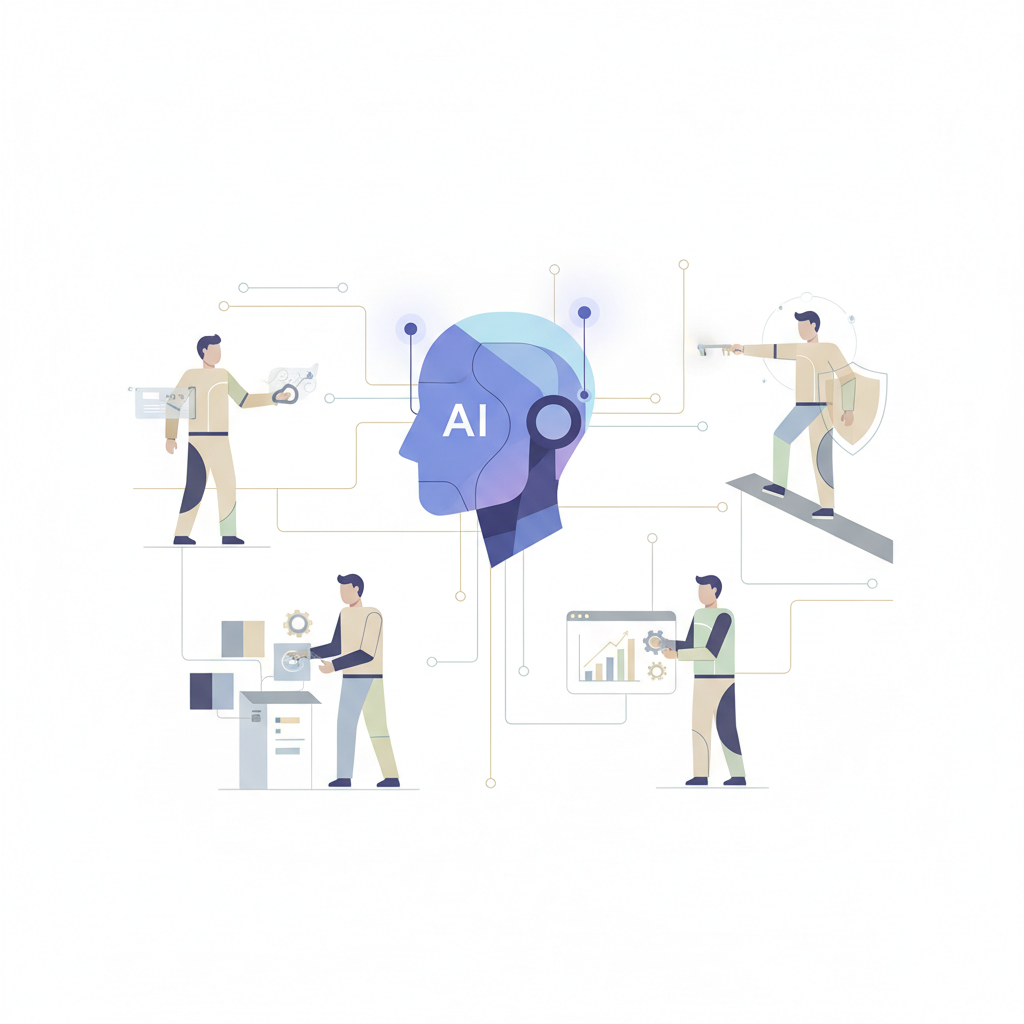
如果有一种裁员叫“裁完又请回来”,那福特最近的操作恐怕会让不少企业的人力资源部门坐立不安。据 HR Executive 报道,福特汽车因为 AI 工具的表现不及预期,被迫重新雇用了此前裁掉的 350 名工程师。这一事件让越来越多的企业开始反思——当 AI 能力被过度高估时,冲动裁员带来的代价可能远超想象。
AI 替代人力的“理想”与“现实”落差
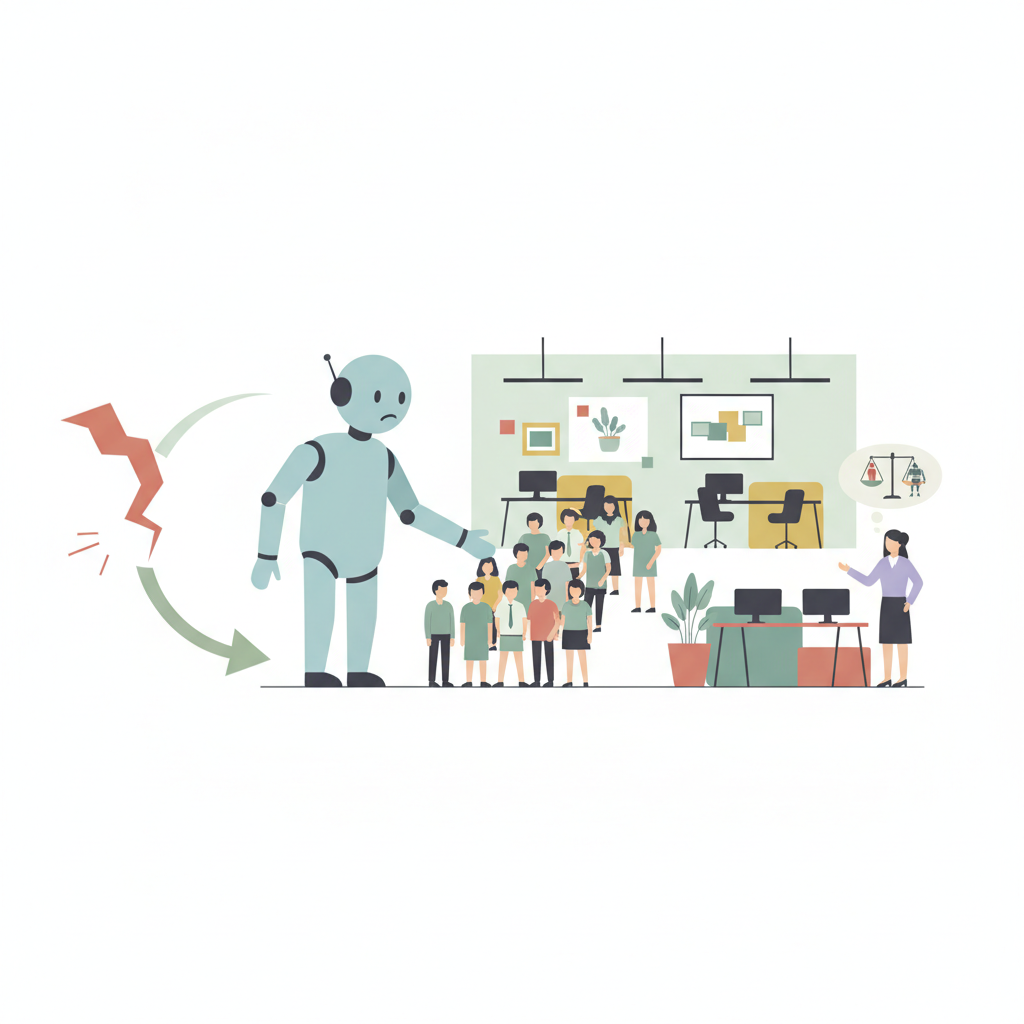
过去两年,生成式 AI 的爆发让不少企业高管跃跃欲试。裁掉程序员、减少设计岗、用大模型自动生成报告和代码……看上去,此举既能削减成本,又能拥抱最前沿的技术。福特的动作正是这股浪潮的缩影:为推进数字化转型和成本优化,公司裁减了大批工程技术人员,试图将部分工作交由 AI 工具完成。
但现实的结果是,AI 并未能完全填补这些岗位留下的空白。一些高度依赖经验判断、跨部门协作和隐性知识的工作,远非当下的大模型可以胜任。系统集成中的复杂调试、产品安全评估中的博弈权衡、供应链异常处理中的瞬时决策,仍然需要有血有肉的专业人士。福特最终不得不承认,有些岗位“光是 AI 真的不够”,于是出现了大规模的重新聘用。
不只是福特:AI 裁员“回旋镖”的普遍性
福特的经历并非孤例。报道中采访的两位 HR 负责人指出,类似的“AI 回旋镖”正在科技、金融和制造等多个行业上演。企业初期常常被 AI 演示的炫酷效果所打动,却在真实业务流程中撞上南墙。一位制造业 HR 副总裁坦言:“我们太急于把 AI 当成节省人头的速效药,却忘了先想清楚,哪些任务是可以放心交给机器的,哪些是必须保留人的判断的。”
福特事件给人力资源部门的最大启示是:一刀切地用 AI 来取代岗位,是极其危险的管理惰性。报道中的专家建议,企业在引入 AI 时,应该建立一套更精细的评估框架——先对现有工作进行任务级拆解,区分出 AI 擅长的高重复性、规则明确的任务,与必须依赖人类创造性、共情力或模糊判断的任务,然后再决定是优化流程、重新培训员工,还是慎重调整编制。
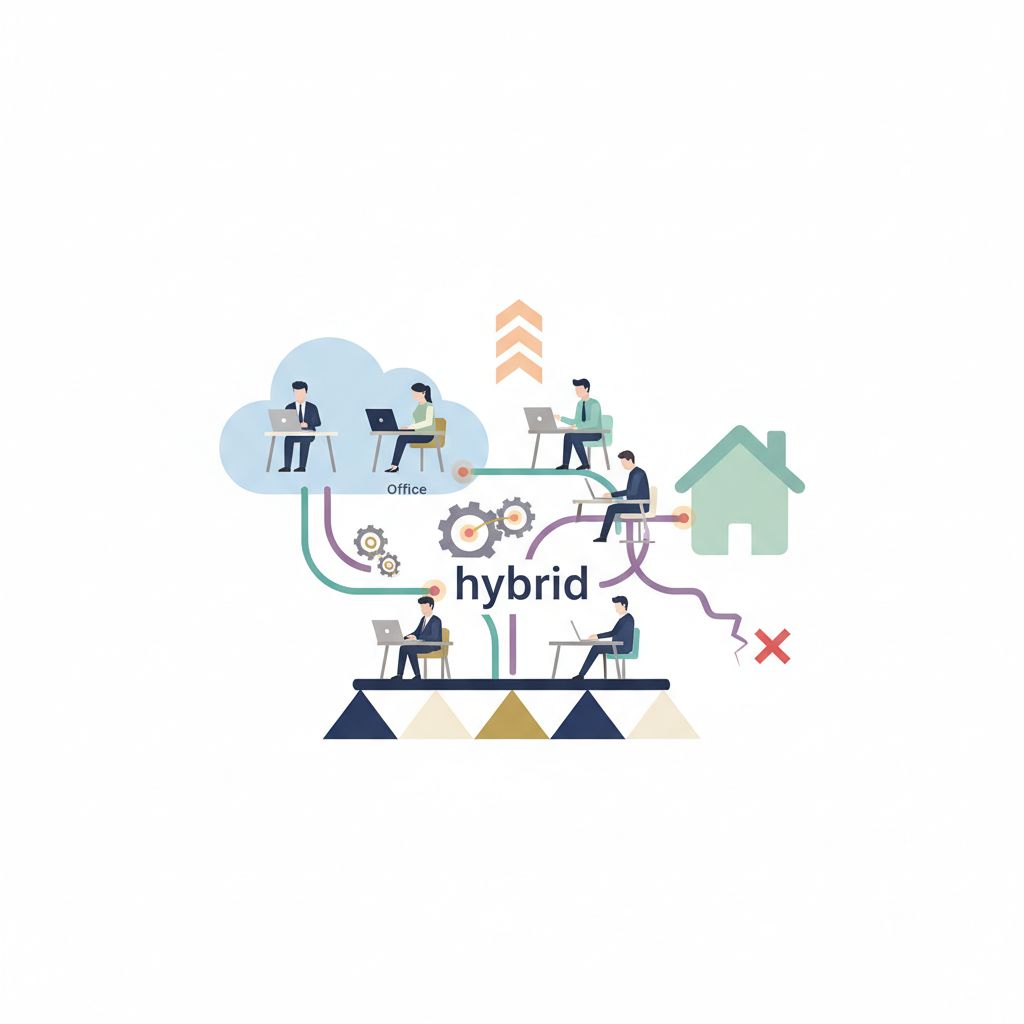
值得注意的是,这股反思潮也开始影响招聘策略。一些企业正在将固定岗位转向更灵活的合作模式,比如采用远程兼职、项目制外包等方式来吸收被裁人才或填补 AI 无法覆盖的空白。这不仅能避免“一刀切裁员再返聘”的尴尬,也让组织能快速适应 AI 能力的动态变化。
In the summer of 2026, a series of layoffs at major technology firms has put a spotlight on the rapidly evolving relationship between artifi
In the summer of 2026, a series of layoffs at major technology firms has put a spotlight on the rapidly evolving relationship between artificial intelligence and the workforce. Oracle, Amazon, Cloudflare, and Block have all announced or are planning significant job cuts, each publicly linking the moves to AI. But the similarities largely end there. Behind each headline lies a distinct narrative about how automation, strategic reallocation, and efficiency pressures are reshaping employment. For HR professionals and business leaders, these cases provide a stark warning — and a practical blueprint — for navigating the age of AI without losing sight of the human costs.
Automation That Replaces Routine Sales Tasks
Cloudflare’s decision to trim its sales organization offers perhaps the most direct example of AI substituting for human labor. The company acknowledged that its AI tools can now handle many tasks that previously required entry-level or mid-career sales representatives: drafting follow-up emails, qualifying leads, even conducting initial outreach analyzes with a level of consistency that human teams struggle to match. As a result, Cloudflare is shifting toward a leaner, more technically empowered sales force, while reducing headcount in roles that have become partly automated. This isn’t just about cost-cutting; it’s a deliberate bet that AI can maintain or even improve the sales pipeline with fewer people. For HR leaders, the Cloudflare case underlines the urgent need to redesign roles around human-AI collaboration rather than simply defending traditional job descriptions. Upskilling sales staff to become managers of AI workflows, or to focus on high-touch enterprise negotiations, will be critical.
Shifting Investment Toward Generative AI
At Amazon and Oracle, the layoffs are less about task-by-task replacement and more about a grand reallocation of capital. Oracle is trimming positions in its legacy software units as it pivots aggressively to cloud infrastructure and AI services — areas where the company believes generative AI will generate the bulk of future growth. Similarly, Amazon’s cuts within its Alexa division are not a retreat from voice technology but a move to restructure the business around large language models that can power more sophisticated, conversational experiences. In both cases, profitable parts of the company are shrinking to fund an AI-centric future. This presents a serious talent management challenge: employees with deep institutional knowledge in older product lines may find their skills undervalued overnight. Successful internal communication, retraining programs, and transparent succession plans become non-negotiable to avoid a brain drain that could hurt the very AI transition these companies are trying to achieve.
The Efficiency Drive and the Human Element
Block’s job reductions follow yet another logic. The payments company, led by a founder known for strategic thinking, has characterized its cuts as part of a broader efficiency campaign where AI is “accelerating productivity.” Block suggests that rather than eliminating entire teams, it can now achieve the same output — or more — with fewer people because AI tools amplify individual performance. This model of “headcount optimization” is likely to spread. However, it raises critical questions about workload, burnout, and the psychological contract between employer and employee. When surviving staff are expected to absorb the productivity gains of AI without proportionate relief or reward, engagement may plummet. HR departments will need to monitor employee well-being metrics closely and ensure that efficiency gains translate into sustainable work patterns, not just higher margins.
What It Means for HR Leaders
These four stories make one thing clear: the AI revolution in the workplace is not a single wave, but many ripples moving at different speeds. Cloudflare shows the rapid job-displacement potential in administrative and transactional roles. Amazon and Oracle illustrate strategic workforce rebalancing that demands long-term planning. Block highlights the subtle drift toward leaner teams where individual employees must do more. For HR, the near-term agenda must include comprehensive skills audits, role redesign pilots, and clear retraining pathways that align with where the business is heading. Beyond that, there is a broader moral and ethical dimension. Layoffs justified by AI — however plausible — still affect real lives, team morale, and employer brand. Companies that couple AI investments with strong internal support systems, or that partner with flexible staffing solutions to provide a cushion for transitioning workers, will navigate this era more responsibly. As organizations rethink their workforce mix, the ability to quickly access remote, specialized talent becomes a strategic advantage, allowing firms to remain agile without permanent overstaffing. The lesson from Oracle, Amazon, Cloudflare, and Block is that waiting for the future to arrive is no longer an option. HR must lead the conversation about what happens next — before the next layoff announcement makes it for them.
Originally published by XMF, inspired by publicly reported industry news.
Artificial intelligence is no longer a distant promise or a niche technology reserved for Silicon Valley labs. It has entered the mainstream
Artificial intelligence is no longer a distant promise or a niche technology reserved for Silicon Valley labs. It has entered the mainstream of daily work, reshaping how tasks are performed, decisions are made, and teams collaborate. From generative AI assistants that draft reports to machine learning algorithms that optimize supply chains, the tools are proliferating at an unprecedented pace. Yet many organizations find themselves caught between excitement and uncertainty. The question is no longer whether AI will affect their workforce, but how rapidly and how deeply—and what they should do about it today.
The Shifting Landscape of Skills
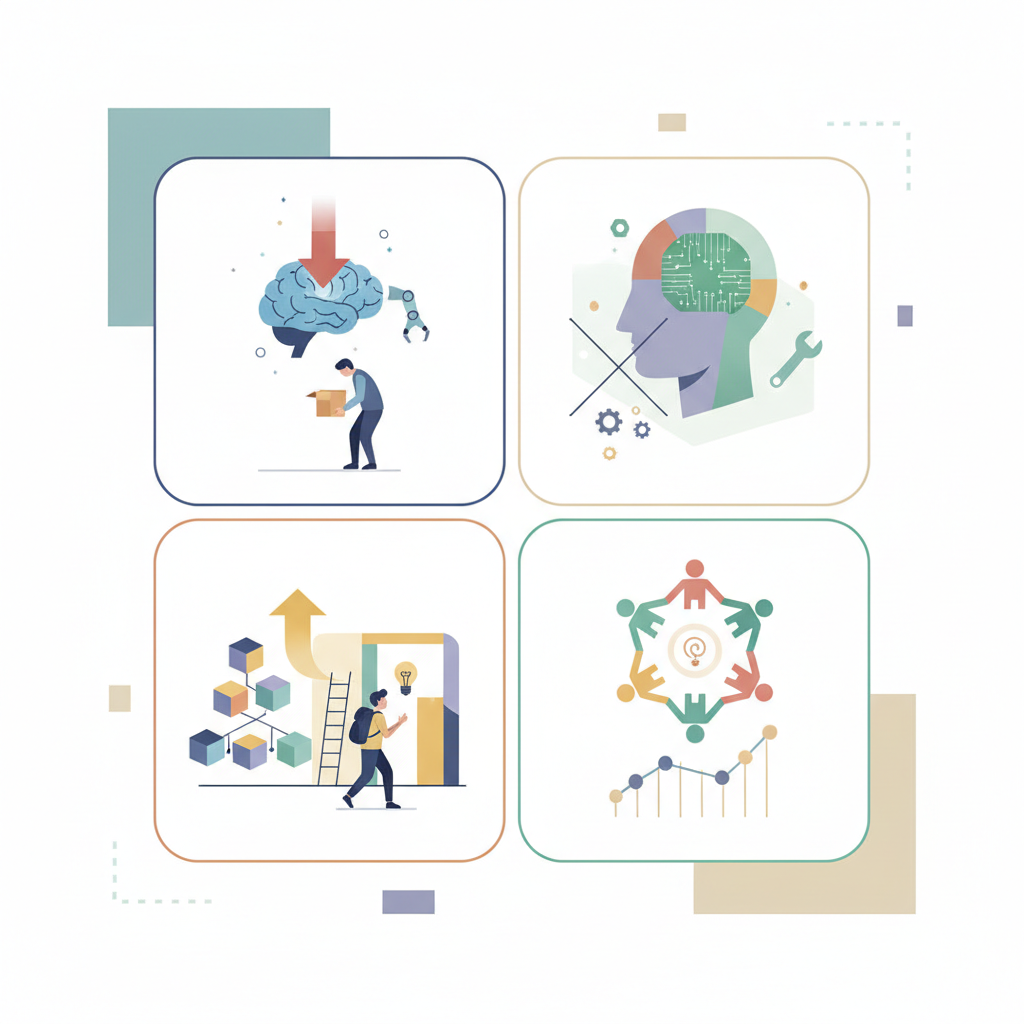
The most immediate impact of AI is on the skills that employees need. Repetitive, rule-based tasks are increasingly automatable, while demand grows for abilities that complement intelligent machines: critical thinking, creativity, emotional intelligence, and complex problem-solving. A financial analyst who once spent hours compiling spreadsheets can now rely on AI to surface insights, freeing up time to interpret trends and advise clients. A customer service representative might see routine inquiries handled by chatbots, shifting their role toward resolving nuanced cases that require empathy and judgment.
This transformation is not limited to white-collar jobs. In manufacturing, AI-powered robots are altering the floor, requiring workers to manage and troubleshoot sophisticated systems. In healthcare, diagnostic algorithms change how clinicians interact with patient data. The common thread is that everyone, regardless of sector, will need digital literacy and the ability to learn continuously. The half-life of specific technical skills is shrinking, making adaptability the single most valuable attribute in the modern workforce.
HR’s Strategic Role in the AI Transition
Human resources leaders are on the front line of this shift, and their role is evolving from administrative gatekeeper to strategic architect. They must first assess the current state of workforce readiness. This means auditing existing skills, identifying gaps, and forecasting future needs. Data-driven tools can map how roles might change over the next two to five years, but the human element remains irreplaceable: honest conversations with managers and employees about fears, aspirations, and hidden talents are crucial.
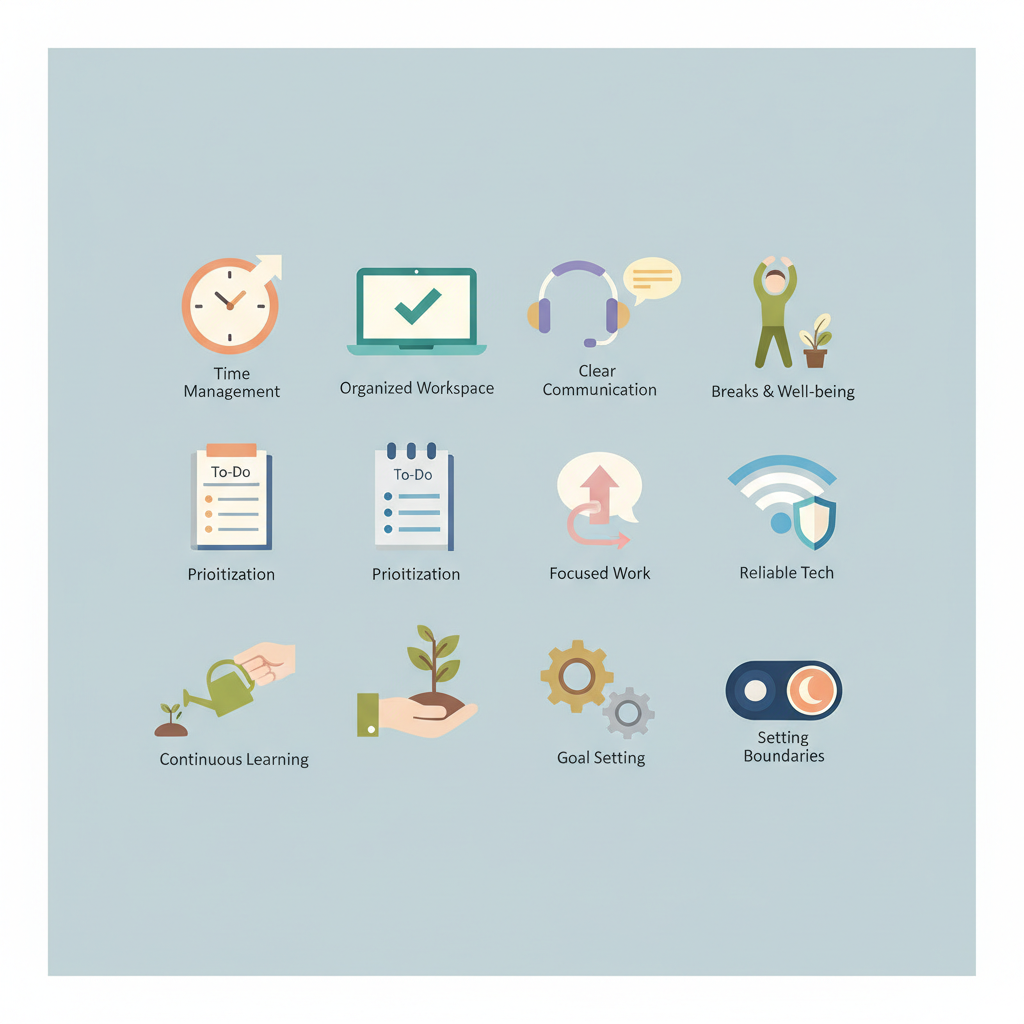
Upskilling and reskilling programs are essential, but they must be designed with practical, bite-sized learning in mind. Long training courses often fail because they are disconnected from daily work. Microlearning, on-the-job coaching, and project-based upskilling tend to yield better results. Equally important is a culture that encourages experimentation. Employees need psychological safety to try new tools, make mistakes, and share their learnings without fear of being judged obsolete. HR can champion this by celebrating learning milestones and by integrating AI proficiency into career development paths.
Attracting new talent also requires a shift in mindset. Job descriptions that rigidly list years of experience with specific legacy systems may miss candidates with strong adaptability and a growth mindset. Forward-looking organizations are screening for learning agility and digital curiosity, often using AI itself to identify candidates whose career trajectories show a pattern of reinvention.
A Roadmap for Workforce Readiness
Getting started can feel overwhelming, but a phased approach makes the challenge manageable. First, leadership must articulate a clear vision: Why is AI adoption important for the organization? How will it enhance rather than replace human contribution? This narrative should be repeated consistently to build trust. Then, a cross-functional team—including HR, IT, and operations—should map the most AI-impacted roles and prioritize interventions. Quick wins, such as automating a tedious but simple process with visible employee benefits, can build momentum.
Measurement is often overlooked. Companies should define metrics not only for AI performance but for workforce readiness: percentage of employees completing relevant upskilling modules, internal mobility rates into newly created roles, and employee sentiment about change. Piloting a small internal talent marketplace can also help match people with projects where they can develop new skills, an approach that keeps institutional knowledge inside the organization while preparing it for tomorrow.
Amid this transformation, flexible staffing models can provide a valuable buffer, allowing companies to bring in specialized AI expertise for specific initiatives without committing to permanent headcount. Platforms that connect businesses with vetted remote professionals can accelerate the learning curve, though the ultimate strength lies in a committed internal team that owns the change.
Viktor, an HR director at a mid-sized European logistics firm, described his journey: “We didn’t start with a grand AI strategy. We started by asking our warehouse teams what frustrated them most about their day. When they said inventory reconciliation, we introduced a simple AI tool to handle that. Within three months, not only did accuracy improve, but the team began proposing other areas for automation. That bottom-up energy was more powerful than any top-down mandate.”
The age of AI is not a distant future. It is here, and the organizations that thrive will be those that treat workforce readiness not as a one-time project, but as a continuous practice of learning, listening, and evolving. By combining clear vision with empathetic leadership and practical skill-building, business leaders and HR professionals can turn disruption into a deeply human opportunity.
Originally published by XMF, inspired by publicly reported industry news.