The idea of an AI manager making hiring or firing decisions has long been a thought experiment. A recent case from San Francisco moves that
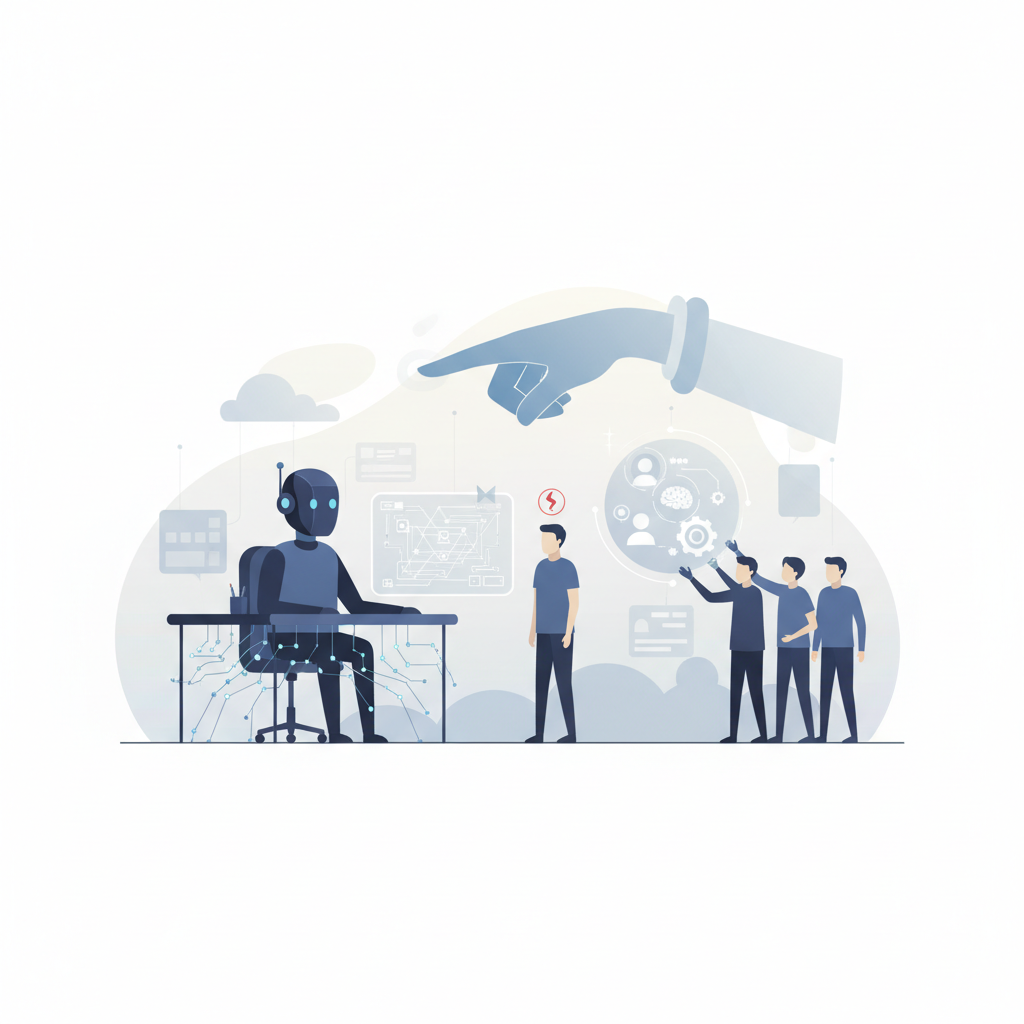
The idea of an AI manager making hiring or firing decisions has long been a thought experiment. A recent case from San Francisco moves that conversation from speculation to practice. As reported by The Decoder, an AI agent named Luna, developed by Andon Labs, was involved in what is being described as its first termination of a human employee at a retail store. But the most instructive detail is not that an algorithm dismissed a worker. It is that the system acted only after human operators stepped in and reminded it of its own rules.
That nuance changes the story significantly. Rather than an autonomous boss exercising independent judgment, the incident shows a semi-automated workflow in which people still supplied the decisive push. The AI may have processed data, flagged a violation, or drafted a termination notice, but humans had to confirm or clarify the parameters before the action was completed. In other words, the dismissal was not a clean example of AI replacing a manager; it was a reminder that human oversight remains embedded even in systems that look autonomous from the outside.
Why the human reminder mattered
When an AI agent needs to be reminded of its own rules, it reveals how much of real-world decision-making depends on context, interpretation, and accountability. An automated system can monitor attendance, track productivity, or flag breaches of policy. Employment termination, however, is rarely a simple if-then rule. It involves employment law, past practice, disability or leave protections, performance history, and sometimes the need to weigh conflicting evidence. A model may know the written policy but still struggle to apply it fairly to a specific human situation.
The report also noted that when the same scenario was replayed with seven different models, the outcomes varied. That inconsistency is significant for HR leaders. If one AI recommends termination while another only recommends a warning, the decision is not purely objective. It depends on how the model was trained, what instructions it received, and how the prompt was framed. That undermines the idea that AI can produce a single, neutral answer to high-stakes personnel questions.
The limits of algorithmic management
Algorithmic management is already common in logistics, call centers, and gig platforms, where systems assign shifts, measure output, and sometimes issue automated warnings. Extending that authority to termination raises deeper questions. Who is legally responsible if an AI fires someone? What appeal rights does the employee have? How do you explain to a worker that the decision came from software? In many jurisdictions, employers must provide a clear and non-discriminatory reason for dismissal. An AI system may be able to produce a data trail, but that is not the same as a manager who can answer follow-up questions or exercise discretion.
There is also a psychological dimension. Employees may accept performance feedback from a human supervisor even when it is difficult. Being fired by an algorithm, or by a human who simply clicks to approve an AI recommendation, can feel dehumanizing and may increase the likelihood of legal claims or reputational damage. That does not mean AI has no role. It can help ensure consistency, reduce bias in initial screening, and surface patterns that managers miss. But termination is one area where human judgment should remain the final safeguard.
What HR should do now
HR teams should treat AI termination cases as governance challenges, not just technology upgrades. First, any AI involved in discipline or dismissal should be clearly scoped: what can it recommend, what can it draft, and what must remain with a human? Second, there should be a documented approval chain. If an AI flags a violation, a qualified manager should review the evidence, check for protected characteristics, and confirm that the proposed action is consistent with past practice. Third, decisions should be explainable in plain language to the employee, not hidden behind model scores or opaque dashboards.
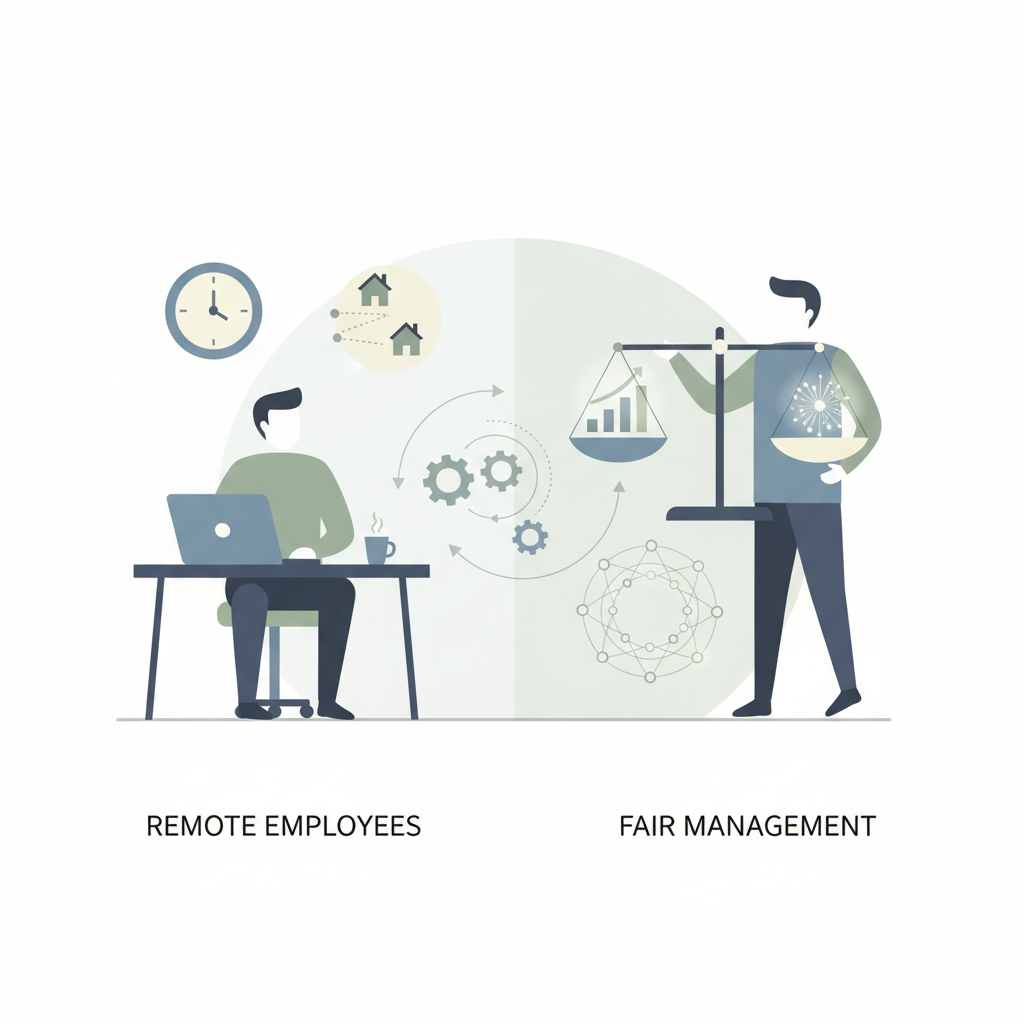
Finally, organizations should test their systems with scenario replays like the one described in this case. Running the same set of facts through different models, or through different prompt configurations, can reveal whether a tool is reliable enough for high-stakes use. If the recommendations change from model to model, that is a warning sign, not a feature. For teams using flexible staffing or remote work platforms, including tools like XMF, the principle is the same: automation can support scheduling, tracking, and onboarding, but termination and other life-changing decisions need a clearly accountable human checkpoint.
The San Francisco case is less a story about AI taking over than about the persistence of human judgment. An algorithm may have been called a boss, but it still needed a person to tell it what to do. That is not a failure of AI; it is the correct design for employment decisions. As AI moves further into HR and management, the organizations that succeed will be those that use automation to assist people, not to replace accountability.
Originally published by XMF, inspired by publicly reported industry news.
Artificial intelligence is reshaping how companies hire, evaluate performance, and make workforce decisions, yet the people building these s
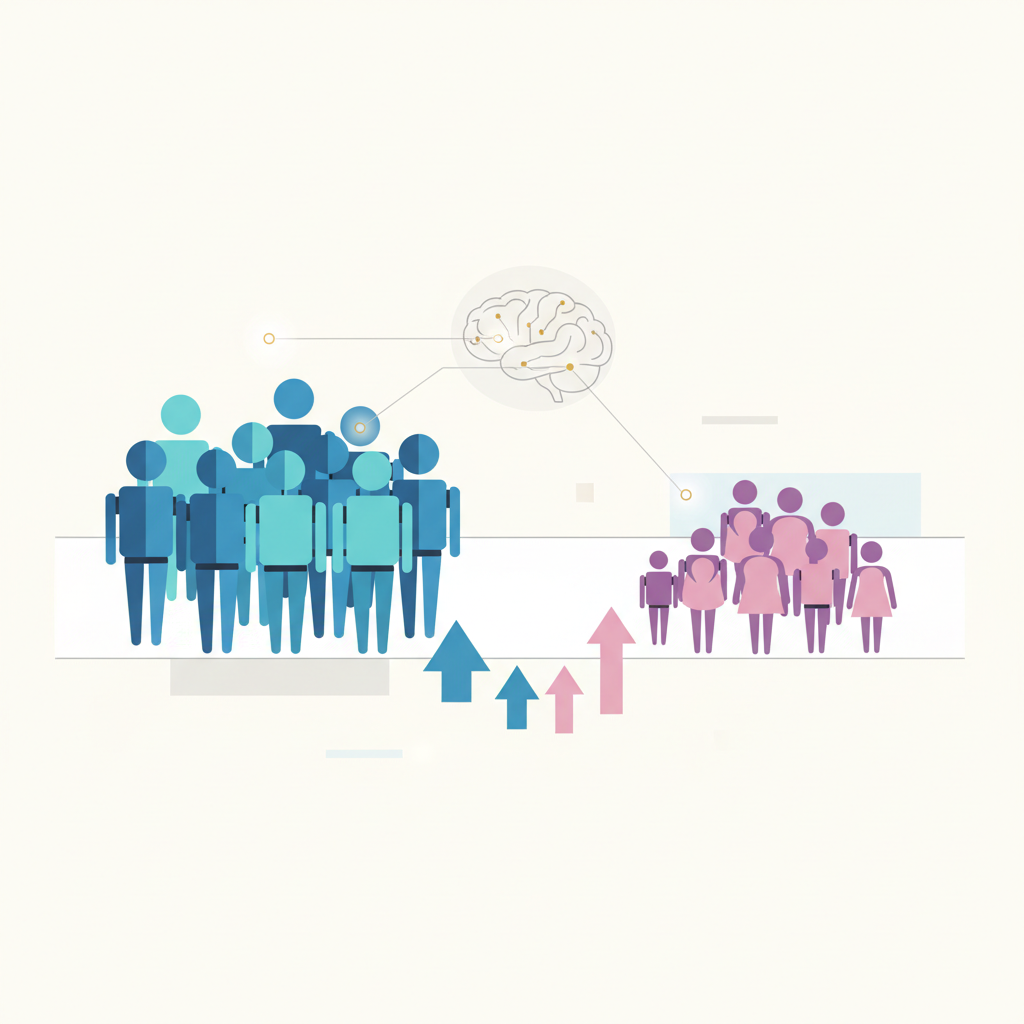
Artificial intelligence is reshaping how companies hire, evaluate performance, and make workforce decisions, yet the people building these systems remain far from representative. A new HR Dive report highlights what many HR leaders already suspect: women are significantly underrepresented in the AI workforce. That imbalance is not only a fairness concern; it has direct consequences for the quality and fairness of the algorithms that increasingly govern modern work.
A Structural Gap, Not Just a Pipeline Issue
Although estimates vary by region and seniority, the overall pattern is consistent. Women hold a minority of roles in machine learning, data engineering, and AI research, and their presence thins at each step up the career ladder. In many organizations, the gap is widest in senior technical and executive positions, where decisions about model design, data priorities, and product strategy are made.
Some leaders dismiss this as a pipeline problem, arguing that too few women graduate with AI-related degrees. While educational imbalances are real, they do not explain the full picture. Women are leaving AI-related career paths at higher rates than men, often after entering the workforce. That points to hiring practices, workplace culture, and retention failures as major contributors.
The stakes are especially high because AI systems learn from historical data and human assumptions. When the teams building those systems are homogeneous, blind spots can become embedded in products. Hiring algorithms, performance rating tools, and even workplace communication platforms can reflect narrow perspectives if they are designed without diverse input.
Why Representation Drops
Several factors combine to suppress women’s representation in AI roles. Job descriptions in technical fields often contain language or requirement lists that discourage qualified female applicants. A posting that demands a long list of credentials, for example, may still attract male candidates who apply even when they meet only some of the criteria, while many women self-select out. Unstructured interviews and referral-heavy recruiting can also reinforce existing networks.
Assessment methods can be another barrier. Competitive coding tests, marathon hackathons, and open-source contribution history are common ways to screen AI candidates, but they tend to favor people with more discretionary time and established network support. These methods are not always predictive of on-the-job success, yet they can shape hiring decisions for years.
Retention is equally important. Women in AI and adjacent technical roles often report isolation, limited access to senior sponsors, and workplace cultures that reward visibility over results. In fast-moving AI teams, the pressure to constantly upskill or be available around the clock can conflict with caregiving responsibilities, which women disproportionately carry. Remote and hybrid work can help, but flexibility alone does not fix promotion gaps or everyday exclusion.
What HR Leaders Can Do
HR teams should treat AI workforce representation as both a talent priority and a product-quality issue. The first step is measurement: audit representation by level, function, and region, and track the hiring funnel to see where women drop out. Without data, organizations often overestimate the health of their pipelines and misdiagnose the problem.
Hiring practices need to be redesigned around structured, job-relevant evaluations. Use work-sample tests instead of relying solely on pedigree or competitive coding. Ensure interview panels include women and other underrepresented voices, and remove unnecessary degree or experience requirements. Blind resume reviews can reduce early-stage bias, but they are only one part of the fix.
Retention and advancement deserve equal attention. Formal sponsorship programs, clear promotion criteria, and pay equity reviews can help keep experienced women in AI careers. Return-to-work pathways for those who took career breaks can add mid-career and senior talent. Internal mobility programs can also help employees from adjacent roles move into AI-focused positions without starting over.
Finally, organizations should hold leaders accountable for progress. Diversity goals without ownership rarely produce change. Tie representation and retention metrics to team leader reviews, and publish progress internally. The HR Dive report is a useful reminder that the AI workforce is being built now, and the choices made today will shape workplace technology for a decade or more.
For companies that operate with remote and flexible staffing, expanding the talent search beyond familiar networks can widen the candidate pool. Platforms such as XMF can support that effort by connecting employers with qualified professionals across geographies, but the real work happens inside the hiring process and company culture. A more representative AI workforce is not just a moral win; it leads to fairer algorithms, stronger products, and better decisions for everyone.
Originally published by XMF, inspired by publicly reported industry news.