As artificial intelligence moves deeper into hiring, performance reviews, workforce planning and everyday HR operations, the rules governing
As artificial intelligence moves deeper into hiring, performance reviews, workforce planning and everyday HR operations, the rules governing the technology are starting to catch up. A new legislative proposal reportedly circulated by AI lab Anthropic would give federal regulators the power to halt the release of advanced models in extreme scenarios, while also setting a high legal bar before agencies can act. For business and HR leaders who already use or buy AI tools, the bill is less a distant policy debate and more an early signal of how workplace AI may be governed in the years ahead.
The proposed threshold: catastrophic risk, not routine bias
The measure described in reporting by TechCrunch focuses on a narrow but dramatic test: a model could be blocked if it is deemed capable of enabling a catastrophe that kills more than 50 people. That is a much higher threshold than the day-to-day concerns HR teams usually raise about AI—such as biased resume screening, privacy issues in employee monitoring, or opaque automated decisions. However, the bill also includes a notable procedural restraint: federal agencies would not be able to block a model’s release without first obtaining permission from a judge.
That combination is likely to shape the debate. On one side, safety advocates want a clear mechanism to stop dangerous systems before deployment. On the other side, industry groups and some AI companies argue that vague or easily triggered authority could slow legitimate enterprise tools, create legal uncertainty, and push innovation overseas. For HR departments, the relevant question is not whether they will be building 50-person catastrophic risk models; it is whether the same regulatory conversation will eventually expand to lower-stakes workplace systems.
Why HR and business leaders should pay attention now
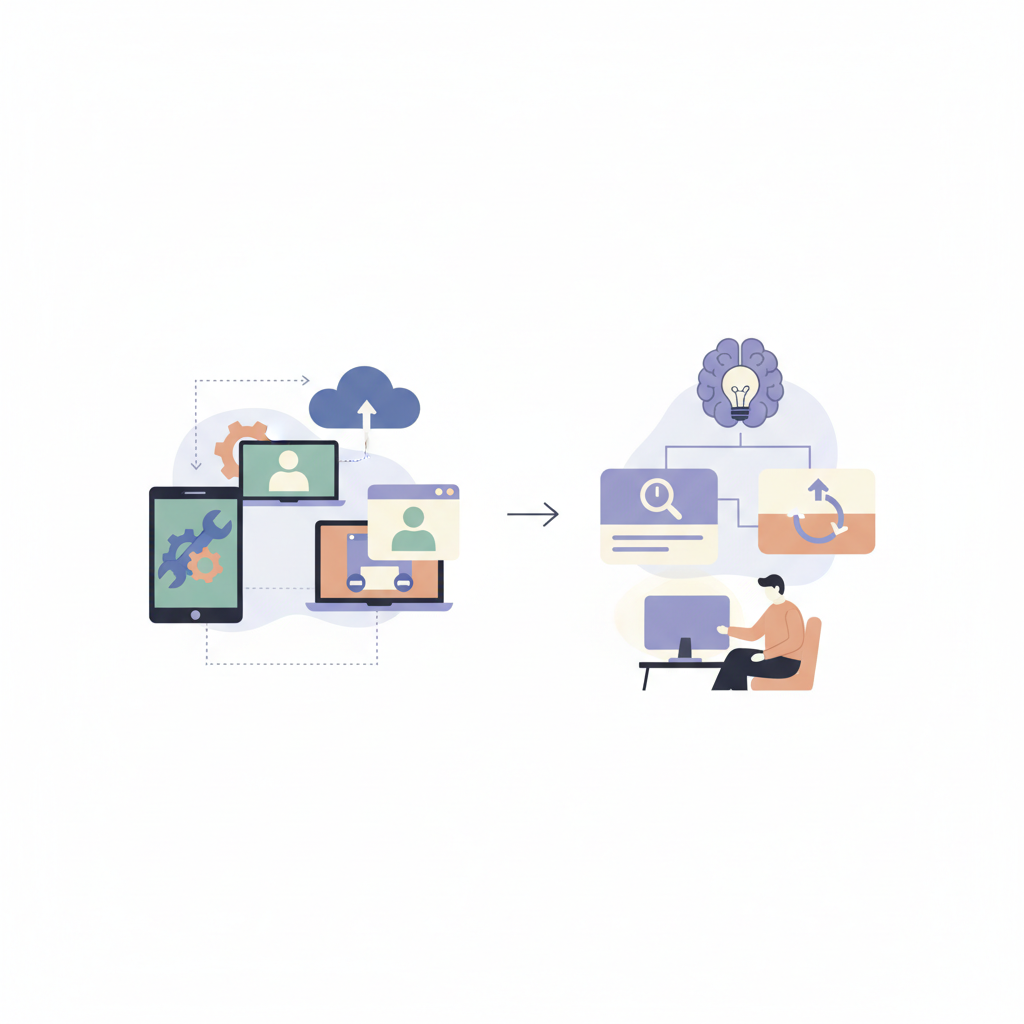
Workplace AI adoption has outpaced governance. Many organizations already use AI for candidate sourcing, interview scheduling, sentiment analysis in engagement surveys, skills matching, productivity monitoring and internal chatbots. Those tools rarely rise to the threat level described in Anthropic’s proposal, but they sit inside the same broader regulatory ecosystem. As governments debate AI safety frameworks, the definitions, reporting duties and audit requirements created for frontier models often trickle down to enterprise software over time.
HR leaders can use this moment to ask practical questions before new rules arrive. Where are AI tools deployed inside the organization? Who is accountable when a model makes a consequential decision? What documentation exists about training data, accuracy and adverse impact? How easily can a vendor explain what a model can and cannot do? These questions are not about catastrophic risk; they are about operational readiness for the regulatory scrutiny that is becoming more common in the EU, the US and other major markets.
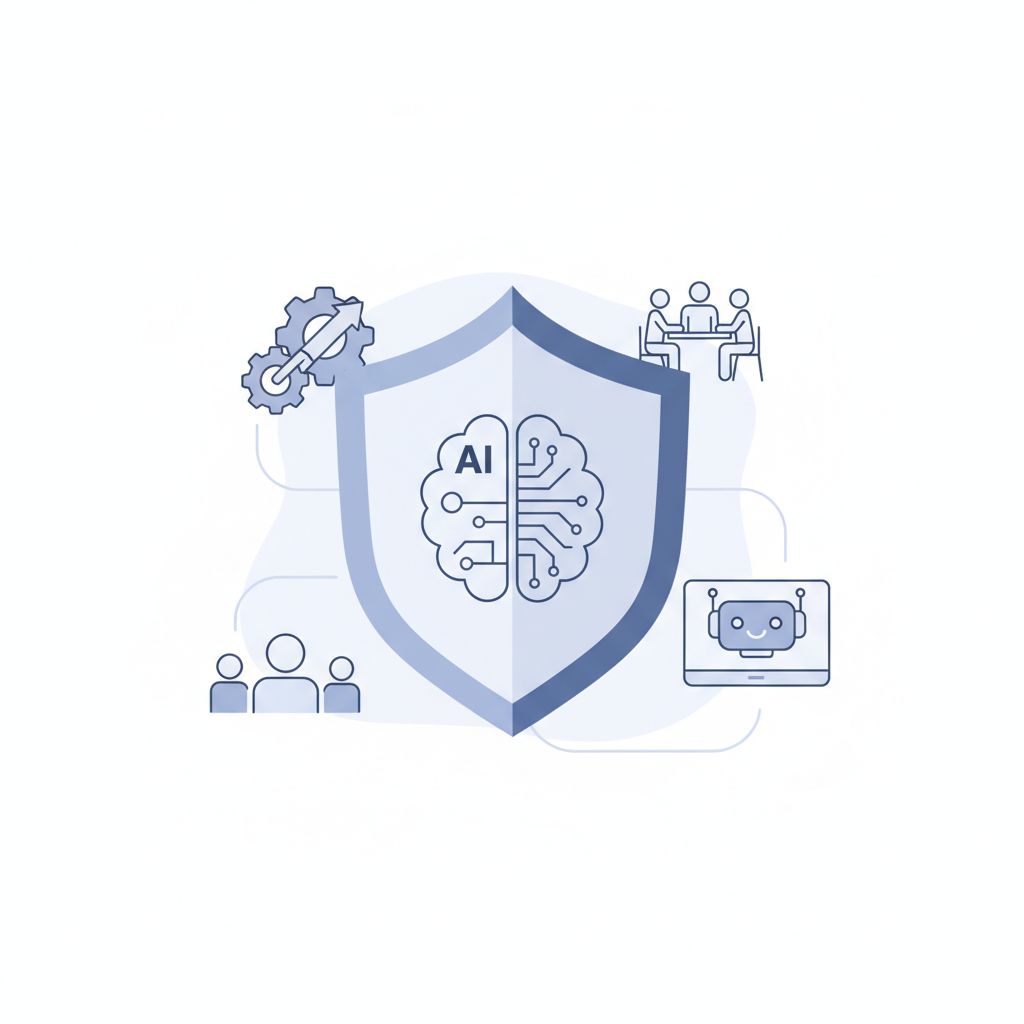
A proposal like this also reinforces a broader point: AI safety is no longer only an engineering topic. It affects procurement, legal, compliance, risk management and people operations. A technology that automates part of the recruitment funnel may not kill anyone, but if it systematically filters out certain candidate groups, it creates legal, reputational and human consequences that demand the same discipline—just at a different scale.
Separating headline risk from practical risk
Reading about a judge-gated block on models with mass-casualty potential can feel removed from a company’s day-to-day reality. That distance is useful. It helps executives avoid overreacting to every AI policy headline. At the same time, ignoring these debates entirely would be a mistake. The direction of travel is toward more accountability: more disclosure from vendors, more internal oversight, and more expectations that organizations can show they use AI responsibly.
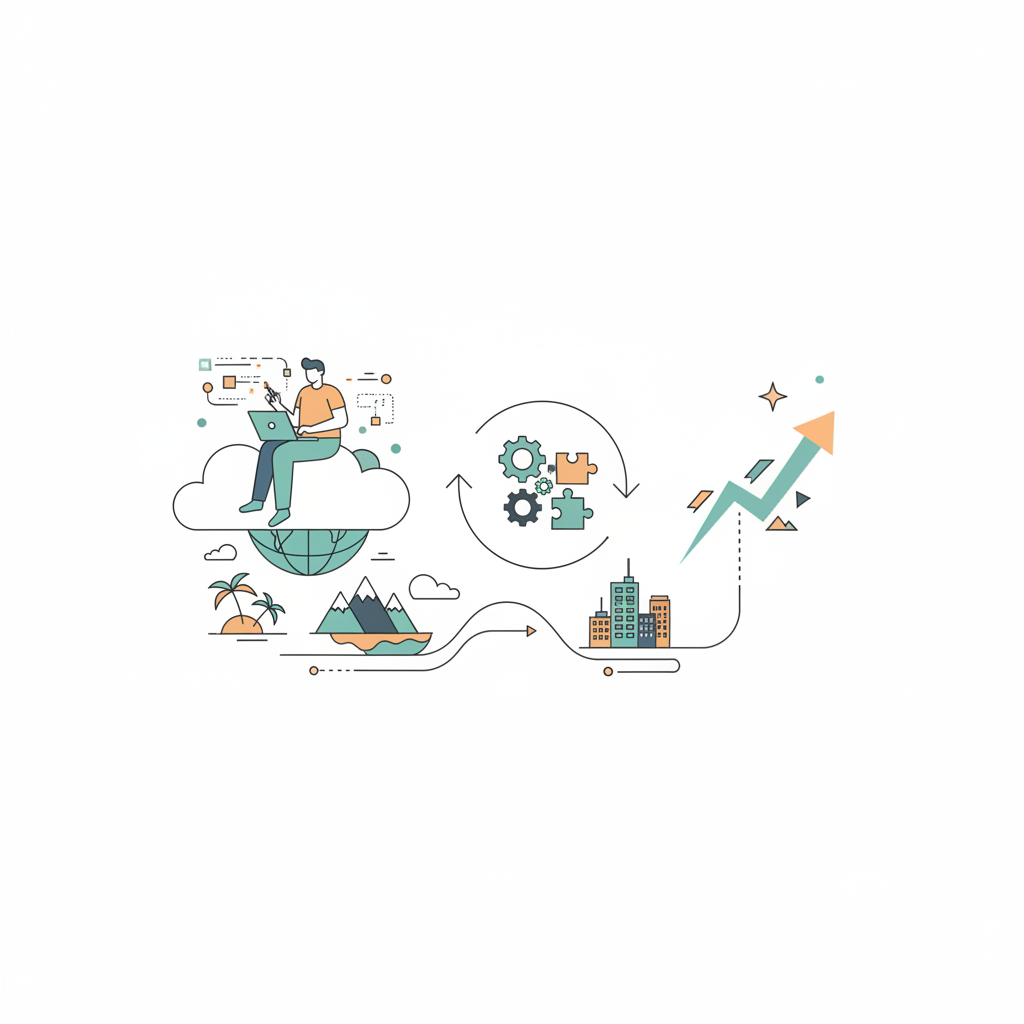
For distributed and remote-first companies, the picture is especially complex. AI tools may be procured by managers in different regions, used by employees across multiple legal jurisdictions, and integrated into HR systems without a central review. That fragmentation can make governance harder even when the tools themselves are low risk. Creating a lightweight AI inventory, defining approval workflows for people-related AI, and requiring plain-language vendor documentation are practical steps that do not require waiting for federal legislation.
Anthropic’s reported bill is only one proposal, and its final form may change substantially. Yet it captures a tension that will define workplace AI for the next several years: how to allow useful automation while keeping meaningful human and legal control. Teams that build clarity now will be better positioned whether the rules arrive from Washington, Brussels or their own industry standards. For remote-first HR platforms—XMF among them—this shift makes transparent AI design and vendor documentation a competitive expectation rather than a differentiator.
Originally published by XMF, inspired by publicly reported industry news.
从产业角度看,DeepSeek 的做法有两层意义。第一,降低中小团队的部署门槛。以往企业想要用大模型,要么调用云端 API 忍受单价,要么自建推理层但缺工程积累。现在有了开源框架,具备一定技术能力的公司可以在自有硬件上跑出更接近商业化的效率。第二,推动 AI 从炫技走向实用。当推理成本下降,更多行业才敢把大模型嵌入客服、内容生成、数据分析等日常流程,而不是只做一两个演示项目。当然,开源不等于拿来即用,企业仍需要具备调优和运维能力,但至少不用从零开始。
对职场和灵活用工的间接影响
AI 基础设施成本下探,会传导到用人端。远程协作、外包团队和自由职业者通常没有专职 MLOps 团队,过去面对大模型部署往往有心无力。当推理框架开源、部署门槛降低,更多中小团队和个人开发者可以基于开源模型搭建自己的效率工具,而不是只能订阅昂贵的商业服务。这会加速 AI 技能在职场中的普及,也可能改变部分岗位的工作方式——比如内容运营用更低成本调用大模型做初稿,设计师用本地化模型做辅助生成。对像小蜜蜂云工作这样连接远程人才与企业的平台来说,底层技术成本下降,长远看有助于更多轻量化团队用上 AI 提效。