The rapid integration of artificial intelligence into everyday business tools is reshaping how work gets done. From drafting emails to analy
The rapid integration of artificial intelligence into everyday business tools is reshaping how work gets done. From drafting emails to analyzing complex datasets, employees are increasingly fluent in AI-driven workflows—often learning on their own to boost productivity. Yet a new disconnect has emerged: the very leaders responsible for guiding these teams confess they feel profoundly unprepared to do so. This readiness gap isn’t just a confidence problem; it risks stalling the very innovation that organizations are racing to adopt.
A recent survey of managers across industries reveals that while individual adoption of AI tools is climbing, leadership fluency lags dangerously behind. Many managers report using AI personally for tasks like scheduling or summarizing information, but when it comes to coaching team members on ethical AI use, setting performance standards for AI-augmented output, or even detecting when a subordinate’s work has been artificially generated inappropriately, the majority admit they lack the necessary skills. The result is a workforce that often operates ahead of its leadership, creating ambiguity around accountability, quality, and trust.
The Confidence Crisis Among People Leaders
The numbers paint a stark picture. In a global poll, barely a third of managers said they felt equipped to lead an AI-fluent team. This trepidation isn’t simply about technical know-how; it’s rooted in deeper insecurities. Many frontline leaders entered management during an era when expertise meant having the answers. Now, they fear being exposed as novices when their direct reports wield AI tools with more dexterity. Others worry about their own roles becoming obsolete, perceiving AI as a rival rather than an ally. These anxieties, left unaddressed, manifest in micromanagement of AI use, blanket bans on certain tools, or a hands-off approach that leaves teams without essential ethical boundaries.
The psychological shift required is profound. Leading an AI-fluent workforce demands that managers evolve from gatekeepers of knowledge to facilitators of judgment. They must learn to ask better questions, evaluate AI-generated insights critically, and foster an environment where human creativity augments machine speed. Without that transition, even the most cutting-edge AI deployments will underdeliver because the human layer of guidance—the very function of leadership—has been neglected.
Why Traditional Leadership Models Fall Short
Most corporate leadership development programs were designed for a pre-AI world. They emphasize delegation, performance tracking, and interpersonal communication—all vital skills, but rarely updated to include AI literacy. A manager might excel at running a meeting but have no framework for auditing an AI-written report for subtle biases or factual errors. The velocity of AI evolution compounds the problem: new features, models, and use cases appear monthly, making it nearly impossible for a busy manager to stay current through casual self-study.
Compounding this, many organizations treat AI training as a purely technical endeavor, offered only to specialist roles like data science. Yet when marketing associates, customer service reps, and financial analysts all begin using AI daily, the responsibility for setting safe, effective practices falls squarely on their line managers. Without tailored upskilling, those managers default to either overly restrictive rules that stifle productivity or overly permissive stances that invite risk. Neither extreme harnesses AI’s potential sustainably.
How HR Can Turn the Tide
Human resources teams hold the key to closing this leadership gap. First, they must redefine managerial competency models to include AI governance, prompt engineering basics, and data-fluency. This doesn’t mean every manager needs to become a programmer; rather, they need enough literacy to ask the right verification questions and spot anomalies. Structured learning journeys—micro-credentials, peer-learning circles, and AI simulation exercises—can build confidence incrementally.
Second, HR should co-create practical AI playbooks with IT and legal partners, giving managers clear, role-specific guidelines. For example, when is it acceptable for a team member to use a public AI tool for client-facing content? How should managers document AI-assisted decisions for compliance? These frameworks remove guesswork and provide a shared language. Crucially, the organization’s own leadership must model vulnerability: executives openly sharing their own learning curves with AI normalize the journey and signal that curiosity, not perfection, is the new standard.
Finally, HR can embed AI-related objectives into performance reviews for managers themselves, measuring not just team output but how well they foster safe experimentation and continuous learning. Recognition programs that spotlight managers who successfully integrate AI into team workflows can accelerate cultural change. Initiatives like these turn anxiety into a shared mission, transforming managers from hesitant bystanders into architects of a more intelligent workplace.
The promise of an AI-fluent workforce is not just faster operations but more meaningful human work. Yet that promise depends on leaders who can guide the intersection of people and algorithms with confidence and care. By investing in manager readiness today, organizations ensure that the AI revolution lifts everyone—and that no team is left to navigate this shift alone.
Originally published by XMF, inspired by publicly reported industry news.
The rapid adoption of artificial intelligence in human resources has promised to streamline hiring, reduce bias, and uncover top talent more
The rapid adoption of artificial intelligence in human resources has promised to streamline hiring, reduce bias, and uncover top talent more efficiently. Yet a recent U.S. federal court decision in Mobley v. Workday is forcing HR leaders to confront a stark reality: the algorithms they trust may be exposing their organizations to serious legal risk.
The Landmark Case and Its Allegations
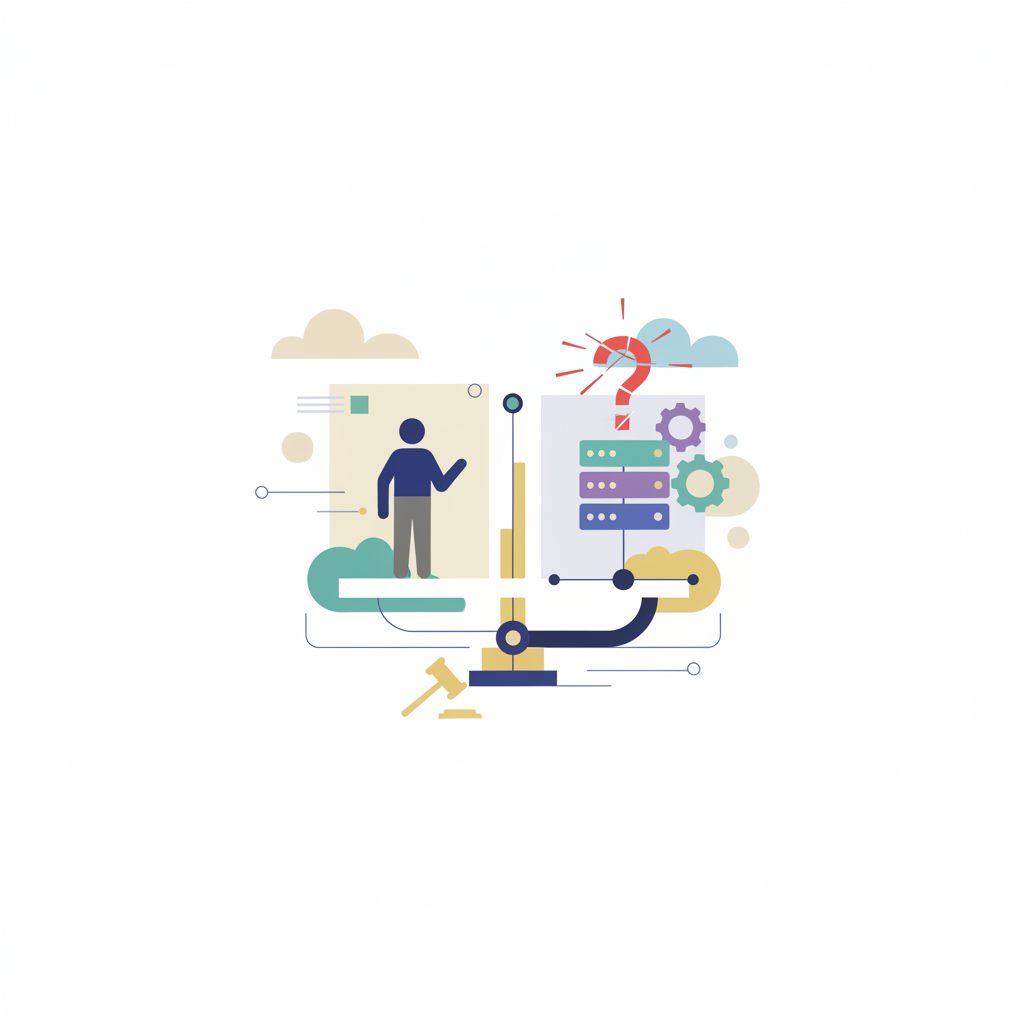
Derek Mobley, a Black job applicant over the age of 40, sued Workday, claiming its AI-powered applicant screening tools discriminated against him based on race, age, and disability. Unlike previous lawsuits that targeted employers directly, Mobley’s suit went after the technology vendor itself—arguing that Workday’s algorithms functioned as an employment agency under U.S. civil rights law and should be held liable for biased outcomes. In a move that could redefine accountability in HR tech, a California district court allowed parts of the case to proceed, signaling that algorithmic hiring tools are not immune from legal scrutiny.
The core allegation is that Workday’s screening software systematically disfavors certain protected groups by using criteria that correlate with race or age, even if those characteristics are not explicitly programmed. For HR professionals, the case underscores a critical lesson: simply purchasing a third-party AI system does not absolve an employer of discrimination claims. If the tools you deploy produce disparate impacts, both you and your vendor may end up in court.
Why This Ruling Matters for HR Technology
The Mobley case arrives amid a broader wave of regulatory attention on algorithmic decision-making. New York City’s Local Law 144 already requires bias audits for automated employment tools, and the European Union’s AI Act classifies high-risk applications—including recruitment—under stringent compliance obligations. The court’s willingness to extend potential liability to vendors marks a legal turning point. For years, many companies assumed that if an external provider’s software was at fault, the provider would absorb the blame. Mobley challenges that assumption, placing a shared responsibility on both employers and technology firms.
For HR leaders, the immediate implication is clear: the due diligence you perform when selecting AI hiring tools must go far beyond marketing promises and accuracy statistics. You need to understand how the model was trained, what proxies it might be using, and whether its recommendations can be explained to an auditor or a judge. The “black box” defense is becoming untenable. Courts and regulators are increasingly demanding transparency, and the Mobley case will likely embolden more individuals to challenge automated decisions that they perceive as unfair.
Navigating the New AI Compliance Landscape
So what should CHROs and talent acquisition heads do now? First, conduct an inventory of every AI-driven tool in your HR stack—from resume parsers and chatbot screeners to predictive assessments. For each, request technical documentation from vendors detailing bias testing methodologies, adverse impact ratios, and any monitoring mechanisms. If a vendor is reluctant to share this information, consider it a red flag.
Second, bring legal and compliance teams into the selection process early. They should review contract terms regarding liability and indemnification in light of the Mobley precedent. Some forward-looking companies are beginning to require vendors to accept joint responsibility for discriminatory outcomes, a shift that may reshape vendor contracts industry-wide.
Third, invest in internal governance. Even the most sophisticated AI model can drift over time or produce unintended results when applied to your specific applicant pool. Implement regular audits, ideally with independent third-party evaluators, and establish a clear process for candidates to contest automated decisions. This not only mitigates legal risk but also builds trust with both job seekers and existing employees.
Finally, remember that AI in hiring should augment human judgment, not replace it. Algorithms can flag patterns that humans miss, but they lack context and empathy. Maintaining meaningful human oversight is both a compliance safeguard and a best practice that many studies show improves the quality of hire.
A Reckoning Long Overdue
The Mobley v. Workday case is more than a single legal skirmish—it marks the beginning of a new era of accountability for AI in the workplace. As courts dig into the merits of discrimination claims against automated systems, the HR function will need to become far more tech-literate. The days of purchasing a tool, plugging it in, and hoping for the best are over. HR leaders must now act as informed stewards of algorithmic systems, balancing efficiency gains with the fundamental obligation to treat every candidate fairly.
For a global audience of remote and hybrid teams, the stakes are even higher. As organizations cast wider nets across borders, the risk of inadvertently using biased tools across different demographic groups grows. A tool that appears unbiased in one region may produce harmful patterns elsewhere. Moreover, platforms like XMF that facilitate remote hiring must ensure any AI-powered features they provide are subject to rigorous bias testing and transparent governance. The lesson from Mobley is that when it comes to AI and employment, ignorance is no longer a defense—and proactive governance is the only viable path forward.
Originally published by XMF, inspired by publicly reported industry news.