在很多人印象里,远程办公仍是程序员、设计师、客服等白领或线上岗位的专属。但工程机械巨头卡特彼勒(Caterpillar)最近释放的信号,正在打破这种刻板印象。据 TechCrunch AI 报道,这家公司准备把数十年在偏远矿区部署自主作业设备的经验,系统性地迁移到 AI 部署和运
在很多人印象里,远程办公仍是程序员、设计师、客服等白领或线上岗位的专属。但工程机械巨头卡特彼勒(Caterpillar)最近释放的信号,正在打破这种刻板印象。据 TechCrunch AI 报道,这家公司准备把数十年在偏远矿区部署自主作业设备的经验,系统性地迁移到 AI 部署和运维中。这背后不只是技术迭代,更是一种“人远离现场、但依然掌控生产”的工作组织方式逐渐成熟。
很多人以为 AI 部署只是安装软件、训练模型,实际上线后更需要持续监控、异常干预和远程配置。企业如果为每个 AI 系统都安排现场运维团队,成本会急剧上升。卡特彼勒在矿山自动化中积累的远程运营、故障诊断、人机分工经验,恰好可以应用到 AI 部署上:把重复监控交给系统,人类专注于处理边缘情况和复杂决策。这也解释了为什么一些大型 AI 基础设施公司开始设立远程运维中心,而不是把工程师全部推向机房。工作地点与核心资产在地理上分离,正成为新的常态。
As AI-driven resume screening becomes standard, many recruiters describe a paradox: the technology surfaces more apparently qualified candid
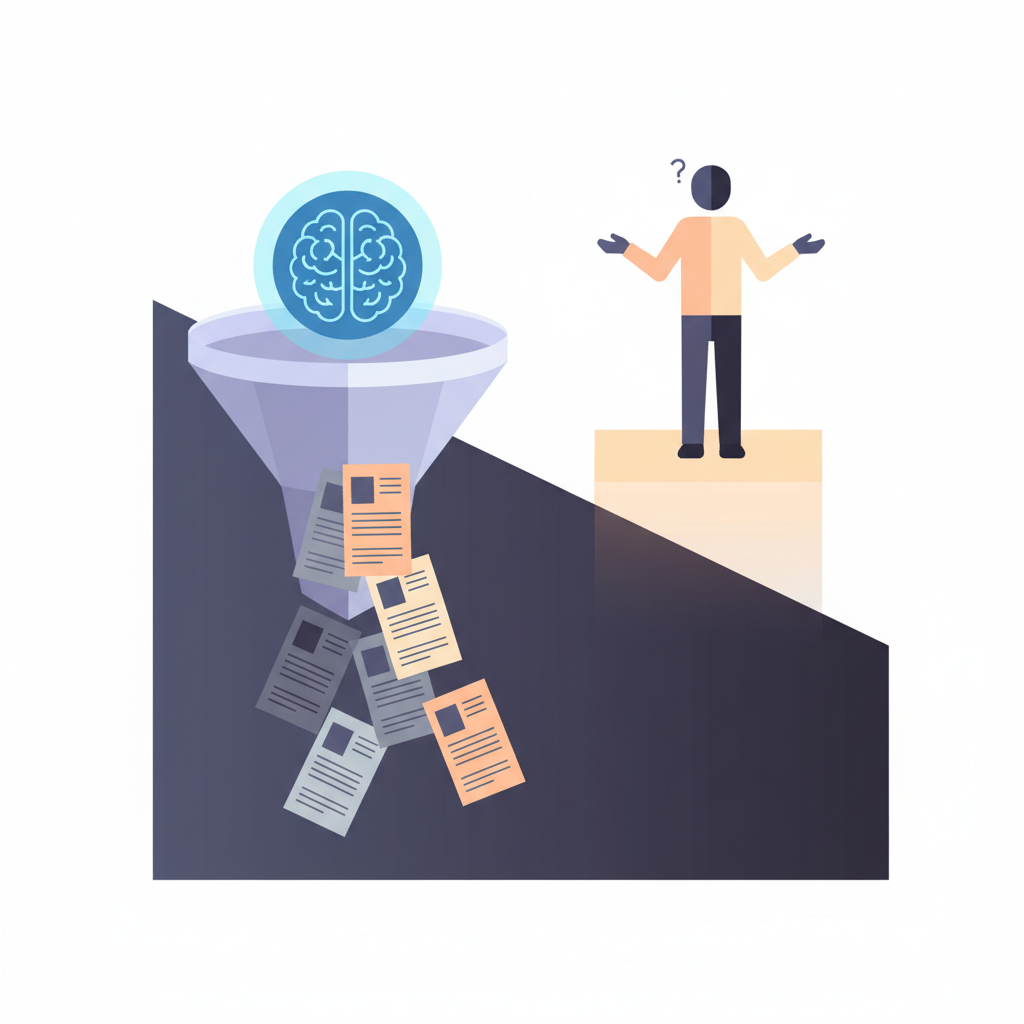
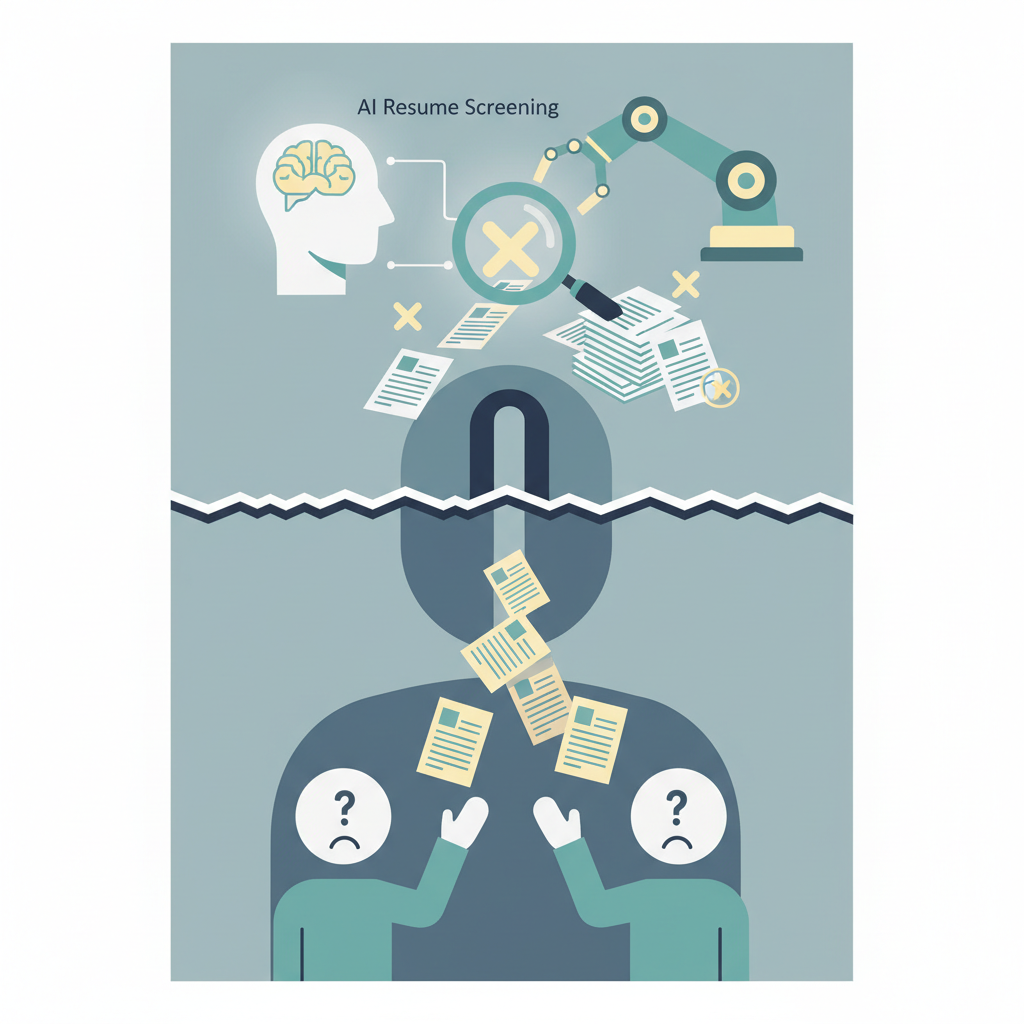
As AI-driven resume screening becomes standard, many recruiters describe a paradox: the technology surfaces more apparently qualified candidates, yet they feel less certain they are seeing everyone who deserves consideration. This “visibility gap” is emerging as a key concern in early-stage hiring, where algorithms can narrow a large applicant pool before a human ever looks at it.
According to recent reporting from HR Executive, recruiters acknowledge that AI screening tools are delivering stronger shortlists. At the same time, they worry that automated filters are quietly removing viable applicants too early in the process. The result is a hiring pipeline that may look efficient on a dashboard but feels incomplete to the people responsible for building teams. For remote and hybrid organizations that rely on distributed talent pools, the stakes are especially high because recruiters may never meet applicants in person and depend even more on digital signals.
Efficiency gains hide an information loss
AI resume screening is designed to solve a real problem: high-volume applications. When a single role receives hundreds or thousands of resumes, human review is slow and inconsistent. Machine learning models can parse work history, skills, education and keywords, then rank candidates by predicted fit. For recruiters, that means less time manually sorting and more time interviewing people who meet the stated criteria.
But ranking is not the same as full visibility. An algorithm optimizes for patterns it has learned from past hires or job descriptions. That can systematically favor candidates who mirror existing employees, use conventional job titles, or include the exact phrases from a posting. Candidates with non-linear careers, transferable skills, employment gaps, or less standardized language may be scored lower—or excluded entirely—even if they could perform well.
Recruiters often do not see what the system discarded. They see the ranked list that remains. This creates an asymmetry: the tool appears to be working because the shortlist contains relevant matches, while the cost of missed candidates stays invisible. The visibility gap is not necessarily about malicious bias; it is often a structural byproduct of how filtering works.
Why the gap matters for hiring quality
When qualified candidates are cut before human review, organizations may lose diversity of thought, background and problem-solving style. Over-filtering can reinforce homogeneity and shrink the pipeline in ways that are difficult to measure after the fact. A recruiter may fill the role successfully and never learn that a strong candidate was eliminated because their resume lacked a specific keyword or used an unconventional format.
There is also a candidate-experience dimension. Applicants increasingly expect some level of automation in hiring, but they also expect fairness. If AI screening feels opaque, candidates may become skeptical about whether a human ever considered their application. That perception can damage employer brand, especially among people from underrepresented groups or those making career changes.
For HR leaders, the visibility gap raises a governance question: How do you validate that an automated screen is focusing on the right criteria? Without regular audits, sample review of rejected candidates, and clear explanations of why certain factors are weighted, the system can drift away from the organization’s actual hiring needs.
Practical steps toward more transparent screening
Addressing the visibility gap does not mean abandoning AI. It means treating the technology as a decision-support layer rather than an autonomous gatekeeper. Recruiters should be able to inspect not just who made the cut, but who did not—and why. Some teams sample a small percentage of rejected applications each week to check for patterns of exclusion. Others adjust keyword weighting to recognize synonyms, adjacent skills and non-traditional career paths.
Clear communication with candidates also helps. If a role is screened using AI, organizations can say so and provide basic information about how the process works. That does not eliminate every concern, but it reduces the feeling of sending a resume into a void. Internally, HR teams can track metrics beyond time-to-shortlist, such as the share of candidates from different backgrounds who reach each stage and the conversion rate from application to interview for non-standard profiles.
Ultimately, AI resume screening works best when it expands a recruiter’s view rather than narrows it. A well-designed tool should help humans notice candidates they might have overlooked, not simply automate the assumptions they already had. The current visibility gap is a reminder that efficiency is not the only measure of a successful hiring process. Seeing more qualified candidates is not the same as seeing all qualified candidates—and the difference can shape who gets a chance to be considered.
As distributed teams compete for talent across wider geographies, recruiters need screening tools that preserve optionality rather than quietly eliminating it. A screening process that silently removes too many people can undermine the very flexibility that remote work promises: access to talent wherever it lives and however its experience is described. Platforms like XMF, which support flexible staffing and HR workflows, reflect a broader shift toward more transparent, human-centered hiring practices—but the underlying principle applies to any organization using AI in recruitment.
Originally published by XMF, inspired by publicly reported industry news.
Artificial intelligence has become a standard part of high-volume hiring, promising to save recruiters time and surface the most relevant ap
Artificial intelligence has become a standard part of high-volume hiring, promising to save recruiters time and surface the most relevant applicants. Yet a new concern is emerging from the people who use these tools every day: AI may be narrowing the candidate pool in ways that are hard to see.
A recent HR Executive report describes a “visibility gap” in AI resume screening. Recruiters say the technology helps them identify more qualified candidates, but many still worry that it cuts some applicants out of the process too early. In other words, the same system that speeds up screening may also be hiding good people from human eyes.
The Promise and the Blind Spot
AI screening works by scanning resumes for keywords, skills, experience levels, and other signals that match a job description. For recruiters handling hundreds or thousands of applications, this can be transformative. It reduces manual review time and helps ensure that obviously relevant candidates rise to the top.
But the blind spot is predictable. Automated filters rely on patterns. They look for the words and structures they have learned to associate with successful hires. A candidate who uses a different job title, comes from a less common industry, or has a non-linear career path may be just as capable—but the algorithm may rank them lower because their resume does not look like the expected profile.
This creates a subtle problem. Recruiters may believe they are seeing the best applicants, when in fact they are seeing the applicants whose resumes best match the tool’s learned preferences. The gap is not always about obvious discrimination. It is often about false negatives: qualified people who are excluded because their experience is described differently, or because they fall just outside a rigid threshold.
Why the Gap Is Hard to Notice
One reason the visibility gap persists is that organizations rarely audit what their screening tools reject. Recruiters focus on the candidates who make it through, because those are the people available for review. Without checking the filtered-out group, it is difficult to know how many strong applicants were removed too early.
Another reason is time pressure. When hiring teams are overwhelmed, they may set strict filters simply to make the workload manageable. This is especially common in remote and hybrid roles, where a single job posting can attract applicants from many regions and time zones. The tool becomes a way to cope with volume, and the human instinct to trust the shortlist grows stronger.
Over time, the algorithm’s output can shape what recruiters think the talent market looks like. If the tool consistently promotes candidates with certain credentials, teams may start to believe those credentials are more important than they really are. The screening system, in effect, narrows the definition of a “good candidate” without anyone making an explicit decision to do so.
Making Screening Smarter Without Losing People
HR leaders can reduce the visibility gap without abandoning AI. The first step is to treat automated screening as a recommendation engine, not a final verdict. Borderline candidates should be routed to a human review queue rather than automatically rejected. Adjusting thresholds, adding synonyms for critical skills, and expanding the range of acceptable experience can also help.
Regular audits are essential. By sampling rejected applications and checking them against the original job requirements, hiring teams can estimate how many false negatives the system is producing. If the number is high, the filters need adjustment. If certain groups or career backgrounds are consistently filtered out, that is a signal that the tool’s criteria do not match the organization’s actual hiring goals.
Transparency with candidates matters too. People should know when automation is part of the screening process and what criteria are being used. This is not only a question of fairness; it also builds trust with applicants who might otherwise feel they submitted a resume into a void.
For companies that hire remote and hybrid workers, the stakes are especially high. Distributed hiring should widen access to talent, not silently standardize it. If AI screening filters out unconventional or geographically diverse candidates before a human ever sees them, it works against the flexibility that remote work is supposed to provide. Hiring teams that rely heavily on automation may need to build deliberate human checkpoints into their process to protect that promise.
As more flexible-work platforms and recruiting tools adopt AI-assisted matching, the same caution applies. The goal should be to help recruiters see more of the right people, not to create a cleaner-looking shortlist that misses real potential. A well-designed system should make good candidates more visible, not less.
Originally published by XMF, inspired by publicly reported industry news.