国内大模型竞争进入应用落地期,腾讯又被曝出新动作。据外媒 The Decoder 报道,腾讯正在推进一款名为 Gander 的 AI 助手,核心不是把答案说得更漂亮,而是解决生成式 AI 目前最影响体验的一个问题:一旦进入后台执行任务,对话就容易“断片”。Gander 可以同时处
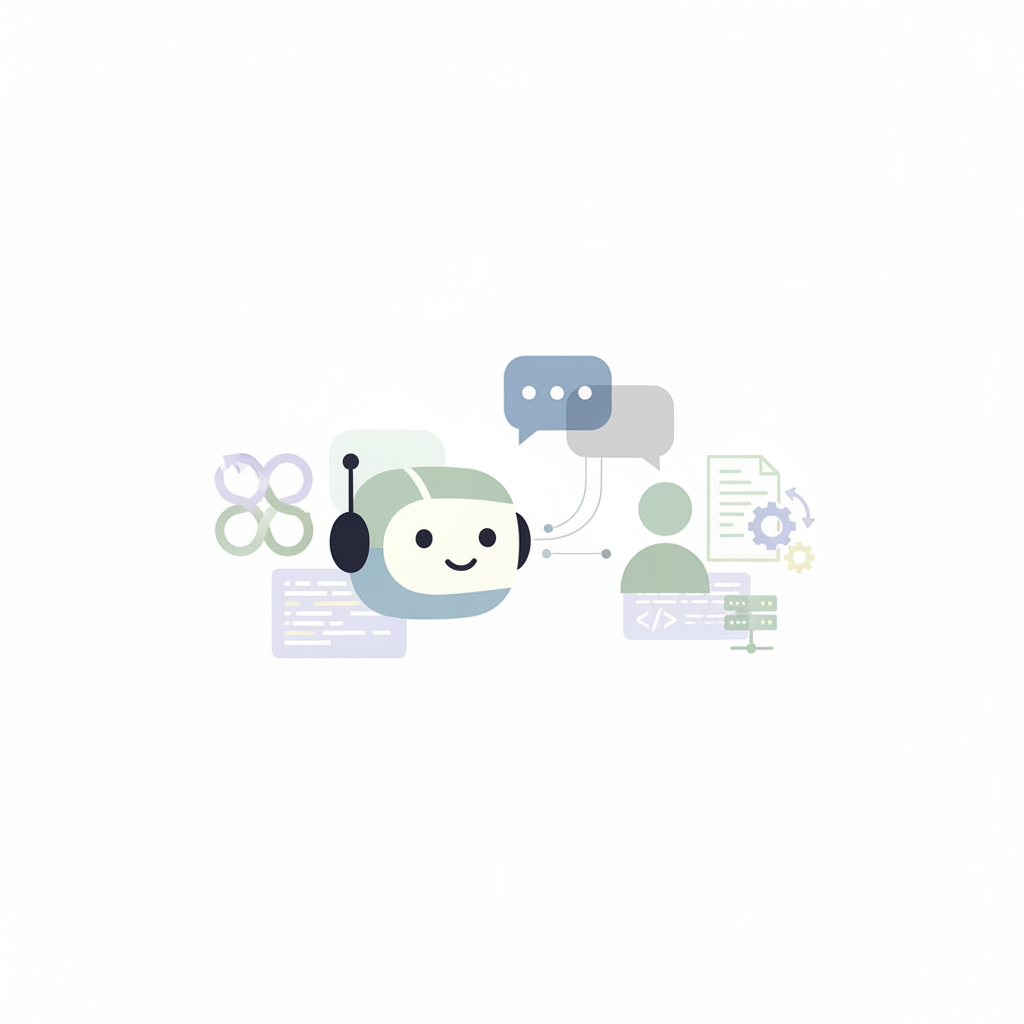
国内大模型竞争进入应用落地期,腾讯又被曝出新动作。据外媒 The Decoder 报道,腾讯正在推进一款名为 Gander 的 AI 助手,核心不是把答案说得更漂亮,而是解决生成式 AI 目前最影响体验的一个问题:一旦进入后台执行任务,对话就容易“断片”。Gander 可以同时处理语音、图像和文本,并能在搜索文件、写代码、处理待办的同时,继续与用户保持自然交流。
从“问答机”到“办事员”
过去两年,各类大模型聊天产品很多,但多数仍停留在“一问一答”阶段。让 AI 跨应用完成一件事,往往需要反复确认,甚至因为执行链路太长而丢失上下文。Gander 的思路是把“对话”和“执行”拆开:一个被称为“小脑(cerebellum)”的模块专门维持交流节奏,让用户随时能插话;负责实际工作的“大脑(brain)”则可以根据任务灵活切换。查资料时调用搜索模块,写代码时接入编程工具,避免因为埋头干活而“冷落”用户。
可替换“大脑”意味着什么
“可替换大脑”是更值得关注的细节。它意味着在同一套交互界面下,可以接入不同专长的模型或工具,而不必为每个场景重新开发一个完整助手。对企业来说,这能降低落地成本:行政、研发、客服等不同部门只需更换底层能力模块,就能复用统一的对话体验。腾讯如果能在内部业务或生态中跑通这一架构,国内协同办公产品很可能跟进,让 AI 从“能聊”真正走向“能办成事”。
会干活的 AI 更接近“数字同事”
当 AI 能在后台持续处理文件、代码和事务,远程团队的协作方式也会改变。重复性后台工作可能被 AI 接走,人类员工更多转向审核、判断和创意。当然,Gander 目前仍处于曝光阶段,实际交互效果、权限控制和企业数据安全都还有待观察,但它指向的方向很清晰:一个能“边聊边干”的助手,比只会生成文本的大模型更接近真正的数字同事。
这种变化对灵活用工和远程办公平台同样有影响。如何把 AI 后台执行纳入远程协作流程、怎样划分人工与 AI 的任务边界,会逐渐成为企业管理的新课题。小蜜蜂云工作这类平台未来若能将此类 AI 工具与远程岗位匹配、任务分发相结合,或许能帮助企业和自由职业者更平滑地进入人机协作模式。
AI-powered recruiting tools now routinely transcribe interviews, summarize candidate responses, and score applicants in minutes. What once l
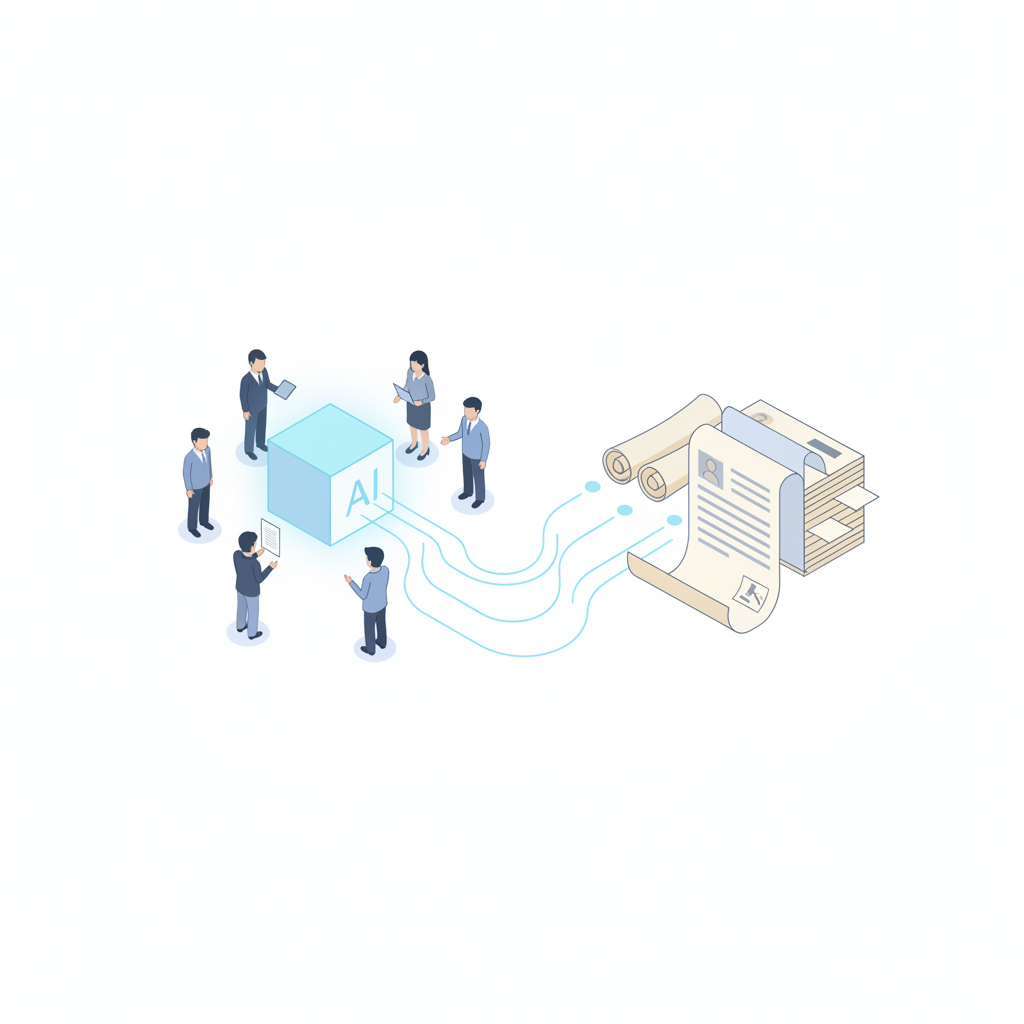
AI-powered recruiting tools now routinely transcribe interviews, summarize candidate responses, and score applicants in minutes. What once lived in a recruiter’s memory or a few scribbled notes has become structured, searchable text stored across applicant tracking systems, video-interview platforms, and cloud drives. The productivity gain is real, but so is a less obvious consequence: every AI-generated summary becomes part of an organization’s hiring record—and potentially part of a legal dispute.
Many employers have not yet adjusted their data governance to match this shift. That gap is becoming harder to ignore as more hiring decisions are challenged, audited, or reviewed by regulators.
From convenience tool to discoverable document
AI note-takers and interview intelligence platforms can record, transcribe, and summarize conversations with candidates. They often produce a concise paragraph or bullet list capturing key points, perceived strengths, and sometimes inferred traits such as communication style or enthusiasm. Those outputs are frequently saved automatically, synced with a candidate profile, and retained indefinitely under default settings.
In a hiring discrimination case, plaintiff attorneys or regulators may request all materials related to a specific candidate. That request can now include AI transcripts, summaries, sentiment labels, and even the metadata showing who viewed them and when. A summary that describes a candidate as ‘not a cultural fit,’ ‘less energetic,’ or ‘difficult to understand’ can be read as evidence of subjective bias, even if the underlying decision was based on legitimate criteria.
The paper trail is not limited to legal disputes. Internal audits, diversity reviews, and subject access requests under privacy laws can also bring these summaries to light. Organizations that treat AI-generated notes as informal scratch paper may discover too late that courts and regulators see them as employment records.
Why the legal and privacy risks are growing
Employment discrimination law focuses on whether decisions are based on protected characteristics such as age, sex, race, disability, or family status. AI summaries can inadvertently surface these characteristics. A tool might infer a candidate’s age from graduation years, note a pregnancy-related question, or flag an accent. Once written into a summary, that information becomes a stored data point that may be hard to explain or justify.
Data protection rules add another layer. In jurisdictions with strong privacy laws, candidates have rights to access, correct, or delete their personal data. If an AI summary contains an error—misquoting a candidate, mislabeling a skill, or attributing a statement to the wrong person—the employer may be required to correct it. Many organizations do not know where these summaries live or how to update them.
There is also an accuracy problem. AI transcription and summarization are not perfect. The model may compress a nuanced answer into a misleading phrase or omit important context. If a recruiter relies on that summary without listening to the full interview, the hiring decision may be based on a flawed record. In a dispute, the employer may have to explain why an unverified AI output influenced a rejection.
How HR and talent teams can get ahead of the paper trail
The solution is not to ban AI from recruiting, but to govern it like any other hiring record. First, HR teams should decide which AI outputs are necessary for the decision process and set clear retention limits for raw transcripts, audio, and summaries. Automatic deletion after a defined period can reduce exposure while preserving useful information.
Second, every AI-generated summary should be reviewed before it becomes part of a candidate file. Recruiters and hiring managers should be trained to avoid shorthand that could be read as discriminatory and to correct factual errors immediately. The summary should focus on job-relevant observations, not personality impressions or protected traits.
Third, procurement and HR should evaluate AI vendors on data handling. Does the vendor store data outside the employer’s control? Can summaries be corrected or deleted? Are sentiment, personality, or culture-fit features supported by validation? If not, those features may create more risk than value.
Finally, document retention should be consistent across remote and hybrid teams. When interviews happen across video platforms and recruitment marketing tools, a centralized policy for what gets saved—and what does not—becomes essential. Platforms like XMF can help enforce those policies, but the underlying governance has to come first. The goal is to capture the efficiency of AI without creating an uncontrolled archive of subjective commentary.
Originally published by XMF, inspired by publicly reported industry news.