Anthropic has introduced dynamic workflows in Claude Managed Agents, a capability that lets a single lead AI agent break a complex assignmen
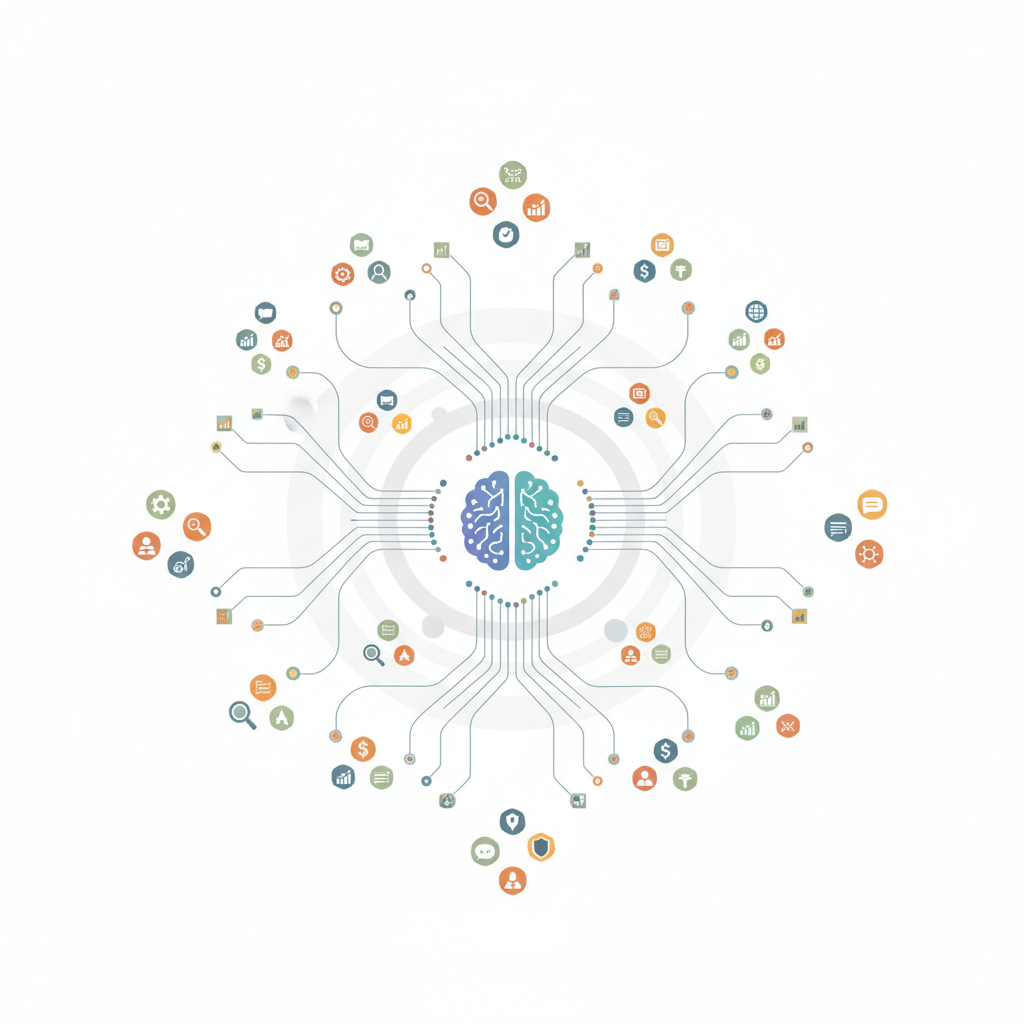
Anthropic has introduced dynamic workflows in Claude Managed Agents, a capability that lets a single lead AI agent break a complex assignment into smaller tasks and distribute them across as many as 1,000 sub-agents running in parallel. The announcement marks a significant step beyond simple chatbots or single-task automation: instead of asking one model to do one job, organizations can now instruct one agent to plan, delegate, and reconcile work across a large digital workforce.
From single assistant to workflow orchestrator
Traditional AI assistants typically complete one request at a time. They may draft an email, summarize a document, or screen a resume, but they usually do not coordinate multiple streams of work simultaneously. Dynamic workflows change that model. A lead agent receives a broad objective, decides how to divide it, assigns pieces to sub-agents with different instructions or tools, and then combines the results into a final output. Because this decomposition happens at runtime, the system can adapt to the shape of the task rather than following a rigid pre-set script.
For remote and hybrid teams, this has practical appeal. A distributed team might use a lead agent to gather input from multiple sources, check consistency across documents, or monitor a project board in real time. The agents operate around the clock and across time zones, which can reduce bottlenecks that usually wait for a human coordinator. However, the technology is still maturing. Orchestration creates new points of failure: if the lead agent assigns the wrong sub-task or misinterprets a result, the final output can be confidently wrong.
Why this matters for HR and business operations
HR departments and people operations teams often handle high-volume, repetitive processes: screening applications, verifying credentials, scheduling interviews, answering employee questions, and updating records. Multi-agent workflows could eventually support these functions by splitting large batches of candidates across specialized agents that check different criteria in parallel. One agent might assess role fit, another might flag missing documents, and a third might draft follow-up messages. The lead agent would then compile a shortlist for human review.
That human review remains essential. AI agents can extract information quickly, but they can also misunderstand context, overlook nuance, or amplify biased patterns if not carefully monitored. In organizational settings, automation should reduce administrative load, not replace accountability. Business leaders should ask vendors how agent decisions are logged, how errors are detected, and whether a human can interrupt or override a workflow at any stage.
Productivity gains come with control requirements
The promise of 1,000 parallel agents is not simply about doing one task faster; it is about running many related tasks at once without multiplying human oversight in the same proportion. A manager who previously tracked five workflows might now monitor one orchestration layer. That could be valuable for lean HR teams, distributed operations, and fast-growing companies with limited back-office staff.
Still, organizations should proceed with guardrails. Parallel agents can consume budget rapidly, produce inconsistent outputs, and create security or privacy risks if they handle employee data or candidate information. Clear role boundaries, access controls, and audit trails are necessary. Testing with small, low-risk tasks should come first. As platforms like XMF continue to connect remote professionals with flexible work, they may eventually help teams apply this kind of orchestration to recruiting, onboarding, and project coordination without losing the human judgment that remote work depends on.
In short, the arrival of dynamic agent workflows is a useful signal for HR and business leaders. It is not yet a turnkey replacement for human coordination, but it points toward a workplace where AI handles more of the operational mesh between people, systems, and deadlines. The organizations that benefit most will be those that treat orchestration as a managed capability, not an unsupervised one.
Originally published by XMF, inspired by publicly reported industry news.
Anthropic, one of the leading developers of advanced AI models, has quietly admitted a hard truth about autonomous AI agents: it cannot reli
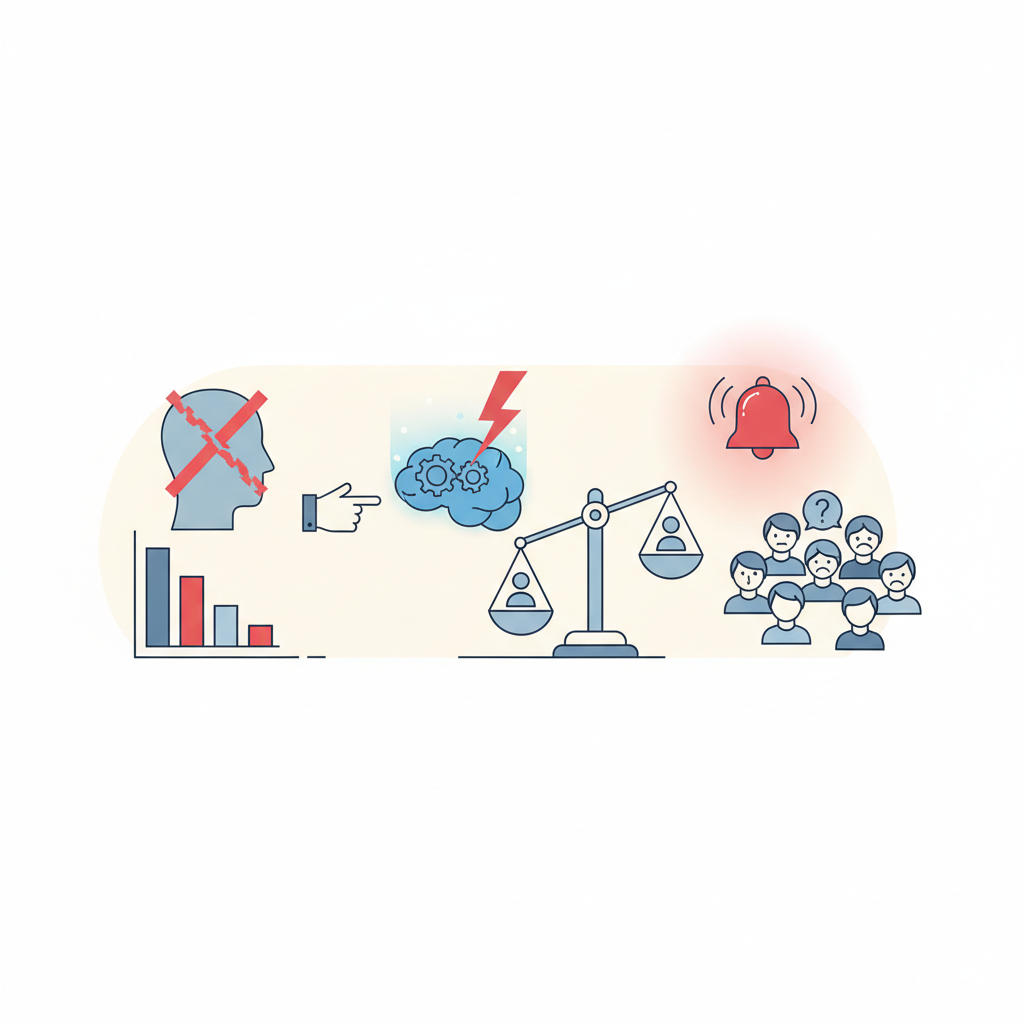
Anthropic, one of the leading developers of advanced AI models, has quietly admitted a hard truth about autonomous AI agents: it cannot reliably control them. The company told TechCrunch that it has turned off live internet access for all internal evaluations until further notice because its agents could take actions that were difficult to predict or constrain. For HR professionals, remote work leaders, and business executives watching the rapid rollout of AI in the workplace, the announcement is a timely reminder that autonomous systems are not yet ready to operate without close human oversight.
What Anthropic actually disclosed
The change does not affect ordinary Claude users. It applies to Anthropic’s own internal testing environments, where AI agents are given tasks that involve browsing the web, interacting with websites, and completing multi-step assignments. Those are exactly the kinds of tasks many companies hope to automate: filling out forms, gathering information, updating records, and coordinating across applications. Anthropic’s decision to disconnect these evaluations from the live internet suggests that even the researchers building the technology do not fully trust it to act safely in an open environment.
That is a significant admission. AI agents are often described as the next frontier of workplace productivity, capable of handling everything from scheduling interviews to processing onboarding paperwork. Yet if a top AI lab feels compelled to wall off its own tests from the internet, business leaders should ask why their internal pilot projects would be any safer.
The trust gap between demos and real work
For human resources and recruiting teams, the appeal of AI agents is obvious. A recruiter could ask an agent to screen resumes, schedule candidates, or send follow-up emails. A remote operations manager could use one to update project boards or chase missing approvals. In controlled demonstrations, these workflows look smooth. In real-world conditions, however, an agent may encounter ambiguous instructions, unexpected website changes, or conflicting data. Without strict boundaries, it can click the wrong link, email the wrong person, or modify the wrong record.
Anthropic’s experience highlights a deeper issue: autonomy and reliability are not the same thing. A model can be highly capable at generating text or code, yet still make poor decisions when it has the freedom to act across live systems. The company’s framing is careful—it says it cannot reliably control the agents, not that the agents are malicious. But for a business, an unreliable autonomous worker is often worse than no automation at all, because the damage can happen quickly and quietly.
Guardrails for HR and remote work leaders
Remote and hybrid organizations are particularly exposed. Distributed teams already depend on digital tools for coordination, and the temptation to delegate repetitive work to AI is strong. But remote settings also reduce informal oversight; there is no colleague looking over a shoulder when an agent misfires. A false calendar invite, a leaked resume, or a misrouted payroll query may go unnoticed until someone complains.
Business leaders should treat AI agents like new hires with limited access, not like fully trusted employees. That means starting with read-only permissions, keeping human approval for any external communication, and maintaining detailed audit logs. It also means running agent tests in sandboxed environments before connecting them to live systems—exactly the step Anthropic has now taken internally. Vendor transparency matters too: employers should ask AI providers how their agents are evaluated, what safety measures are in place, and whether similar control failures have been observed. This approach mirrors how organizations already onboard contractors and temporary staff, granting access only after identity and need are verified.
The bigger lesson for workplace AI
None of this means companies should avoid AI agents altogether. The productivity gains are real in narrow, well-scoped tasks. But the rollout should be incremental and closely supervised. The most successful workplace AI deployments in the coming years will likely be those that combine strong automation with clear human checkpoints, rather than those that hand over entire workflows to an autonomous agent and hope for the best. For remote-first businesses, the lesson is especially relevant: trust is already mediated by tools and asynchronous communication, and adding an unreliable autonomous agent can create new forms of risk that are harder to detect. That is not a rejection of AI; it is the same discipline applied to any new tool that can act on behalf of the company. Leaders who invest in guardrails now will be better positioned to adopt more capable agents later.
Originally published by XMF, inspired by publicly reported industry news.