As generative AI tools spread across HR, recruiting, scheduling, and internal operations, a new study from HERE Enterprise warns that many o
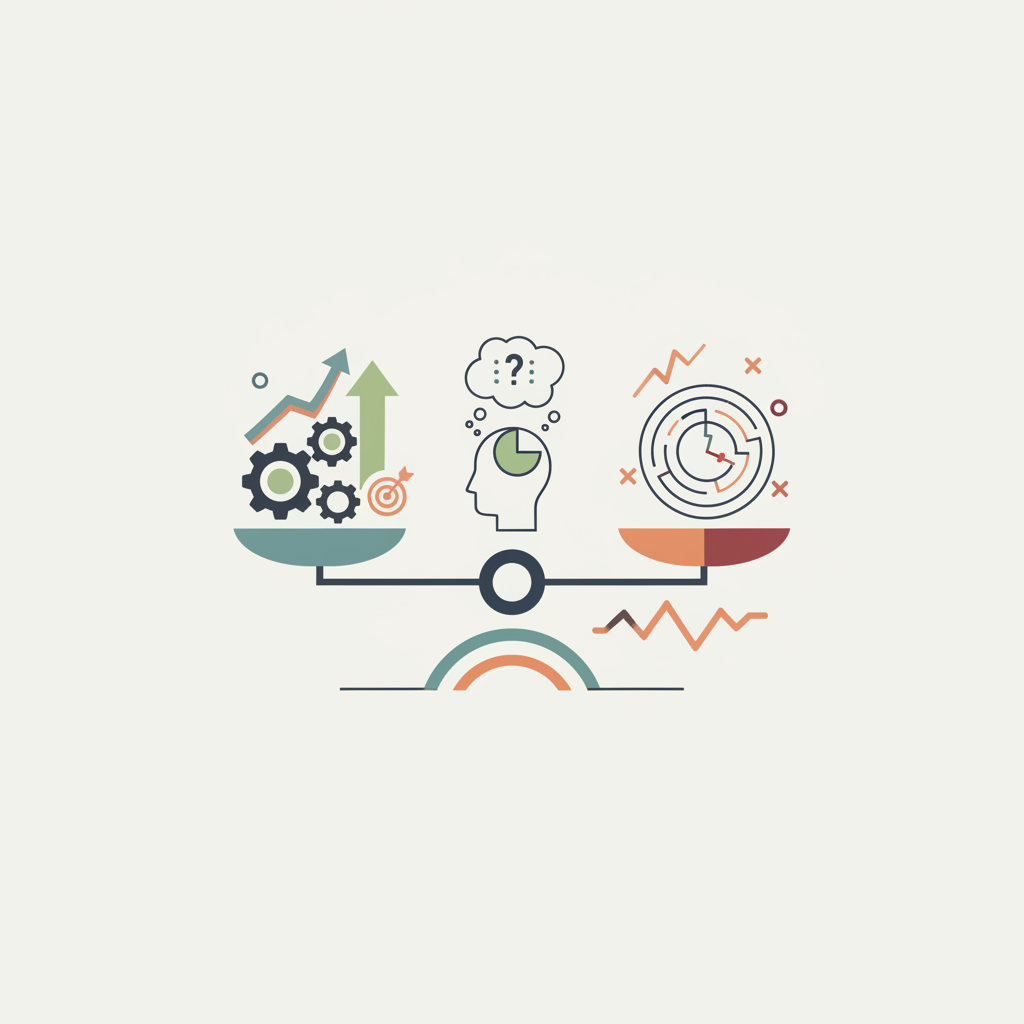
As generative AI tools spread across HR, recruiting, scheduling, and internal operations, a new study from HERE Enterprise warns that many organizations are paying a “toggle tax”: the time employees spend switching between AI systems, verifying outputs, correcting errors, and translating between tools can rival the time saved by the technology itself.
The finding challenges the common assumption that AI automatically lifts productivity. According to the research, users report spending as much effort managing workplace AI as they gain from it. Some of that burden is visible—logging into multiple platforms, copying data between a chatbot and a spreadsheet—but much of it is cognitive: deciding whether to trust a draft, double-checking facts, rewriting tone, or reverting to manual work when the AI misunderstands context.
What the toggle tax looks like in daily work
In practice, the toggle tax appears in small, repeated frictions. A recruiter may use one tool to summarize résumés, another to draft outreach, and a third to log activity in an applicant tracking system. Each handoff requires review and re-entry. A people manager may ask an assistant to produce a performance review draft, then spend nearly as long editing it as writing from scratch. HR teams experimenting with AI for policy questions face a similar pattern: the system produces a plausible answer, but the professional must still verify it against current regulations and internal rules.
The research suggests that these costs are often underestimated because they are distributed across the workday rather than appearing as a single line item. Leaders see the promise of automation but not the accumulated minutes spent switching context, correcting outputs, or explaining tasks repeatedly to tools that lack organizational memory.
Why adoption outpaces readiness
Part of the problem is that workplace AI has been adopted faster than integration and training. Many organizations license multiple point solutions that do not share data, forcing employees to act as the connective layer. The HERE Enterprise study points to a mismatch between how vendors demonstrate the technology—usually on a clean, single-task basis—and how real work happens across messy, interconnected systems.
Another factor is trust calibration. Employees quickly learn that AI is confident but sometimes wrong, especially in HR-adjacent tasks involving nuance, policy exceptions, or sensitive employee situations. The safe response is to verify everything, which consumes the time the tool was meant to save. When verification is required, the net benefit can shrink dramatically.
This does not mean workplace AI is useless. The study indicates that the problem is less about the underlying models and more about how organizations deploy them: without clear workflows, integration, and guidance on when to trust or override outputs, employees are left to manage complexity on their own.
Turning a tax into a return
Organizations that reduce the toggle tax tend to focus on a few practical steps. First, they consolidate tools around specific workflows instead of allowing every team to pilot a different assistant. Fewer systems mean fewer handoffs. Second, they invest in integration so that AI tools can read and write directly into the systems where work already happens, such as the HRIS, ATS, or internal knowledge base. Third, they create clear policies for verification: not every draft needs a full audit, but high-risk outputs—like compensation guidance or termination language—always do.
Training also matters. The most effective programs teach employees not just how to prompt, but how to evaluate responses, recognize typical failure modes, and recover quickly. This kind of literacy reduces the mental overhead of using AI and helps teams separate tasks that genuinely benefit from assistance from those that are still faster to do manually.
For HR leaders, the research is a reminder that adopting AI is not the same as capturing its value. The metric to watch is not how many employees have access to AI, but whether the total time and quality of their work actually improves after the tool is introduced. A candid audit of where AI saves time and where it adds hidden steps can reveal whether the organization is earning a return or simply paying a toggle tax.
As remote and hybrid teams increasingly rely on digital tools to stay connected, managing that hidden overhead becomes even more important. A well-integrated workplace AI strategy—like a well-designed remote-work platform—should reduce friction rather than add to it. That is the standard platforms such as XMF encourage for the teams they support.
Originally published by XMF, inspired by publicly reported industry news.
Artificial intelligence is reshaping how work gets done, but a growing body of evidence suggests that many employees feel like passengers on
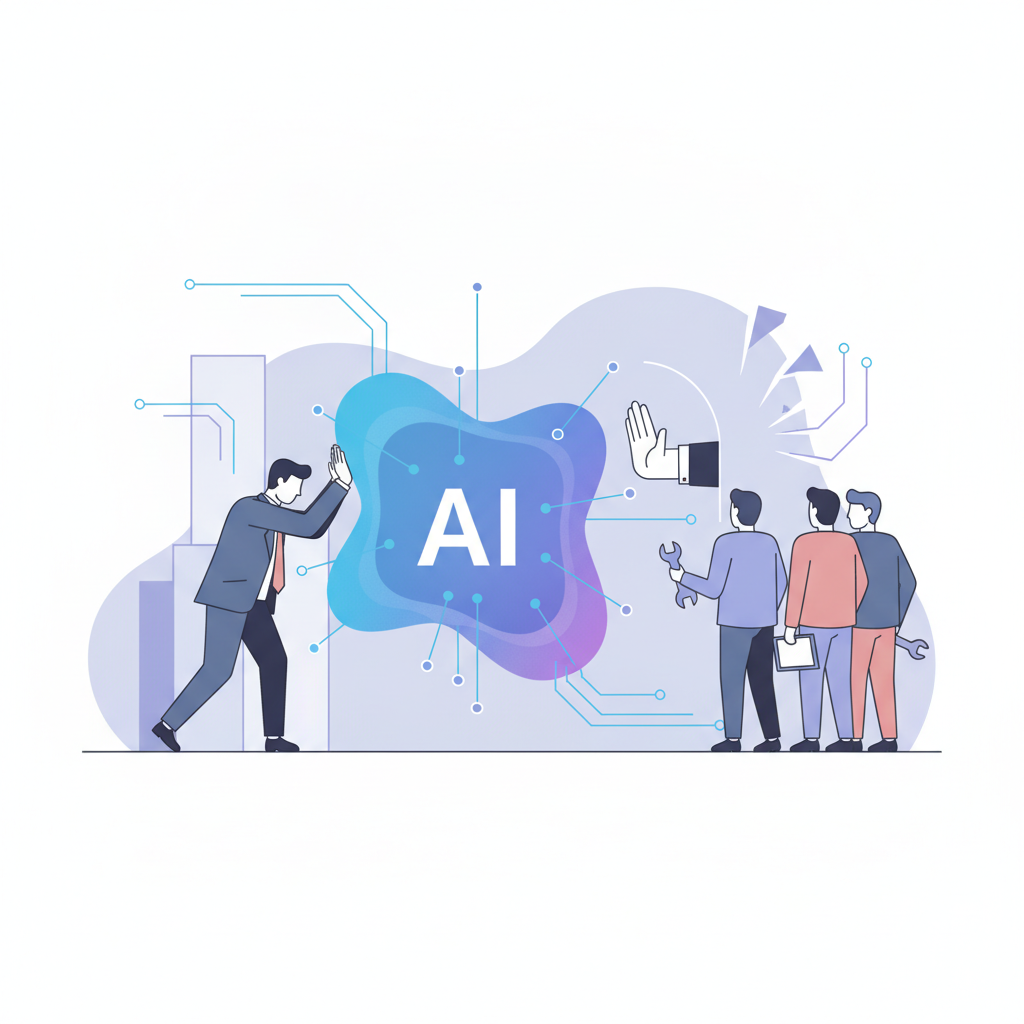
Artificial intelligence is reshaping how work gets done, but a growing body of evidence suggests that many employees feel like passengers on a journey they did not choose. While executives announce pilots, roll out assistants, and reimagine workflows, workers often report that they do not understand what these changes mean for their daily tasks, their performance expectations, or their long-term prospects.
This disconnect is not simply a communication hiccup. It is a strategic risk that can slow adoption, reduce trust, and push talented people to look for employers who treat them as participants rather than bystanders.
The adoption gap is wider than leaders think
Leadership teams often assume that if a tool is available, employees are using it — and if a strategy has been announced, employees have absorbed it. In practice, the gap between organizational AI maturity and individual AI readiness remains significant. Research from workforce surveys involving frontline and knowledge workers alike shows that many employees have not received clear guidance about which AI tools are approved, how their roles will change, or what new skills will be valued.
Some workers discover AI-driven changes through informal channels: a colleague mentions a new dashboard, a manager changes a workflow, or a performance metric shifts without explanation. Others hear about AI only through company-wide emails that focus on efficiency and transformation but offer little practical detail. For remote and hybrid employees, this problem can be even more acute, because they have fewer hallway conversations and ad hoc briefings to fill in the gaps.
Why silence fuels anxiety and resistance
When information is scarce, people do not remain neutral. They speculate. Employees who sense that automation is arriving but have no clear picture of its scope often default to worst-case thinking: their job will be eliminated, their expertise devalued, or their workload increased without additional support. That mindset can trigger quiet resistance, lower engagement, and reluctance to experiment with new tools.
Anxiety is not a sign that employees are anti-technology. In most cases, it is a response to ambiguity. Workers who understand why a tool is being introduced, what problems it will solve, and how it will affect their responsibilities are far more likely to engage with it constructively. Conversely, when change feels done to them rather than with them, even useful tools can be met with cynicism.
This is particularly relevant for frontline and operational roles, where AI may alter shift scheduling, task allocation, quality checks, or customer interactions. Without a deliberate communication strategy, those employees may experience the disruption without ever seeing the intended benefit.
From top-down mandates to two-way communication
HR leaders and people managers have a central role in closing this gap. AI adoption should be treated as an organizational change initiative, not merely a technology project. That means involving employees early, explaining the rationale in plain language, and creating structured opportunities for questions and feedback.
Effective communication does not need to be polished or exhaustive. It needs to be honest, consistent, and relevant. Employees want to know what is changing, when it will affect them, what support is available, and how decisions about job design will be made. Managers should be equipped to have these conversations, because they are often the most trusted source of information for their teams.
Skills development also matters. AI literacy should not be reserved for technical staff. Short, practical learning modules — focused on how a specific tool works, how to prompt effectively, how to verify outputs, and how to flag risks — can reduce fear and build confidence. Training should be linked to real workflows so that employees can immediately apply what they learn.
Turning uncertainty into readiness
Organizations that communicate well about AI tend to see faster adoption and healthier employee sentiment. They use pulse surveys, team meetings, and feedback channels to understand where confusion or resistance is concentrated. They adjust their messaging based on what they hear. They recognize that readiness is not a single announcement but an ongoing conversation.
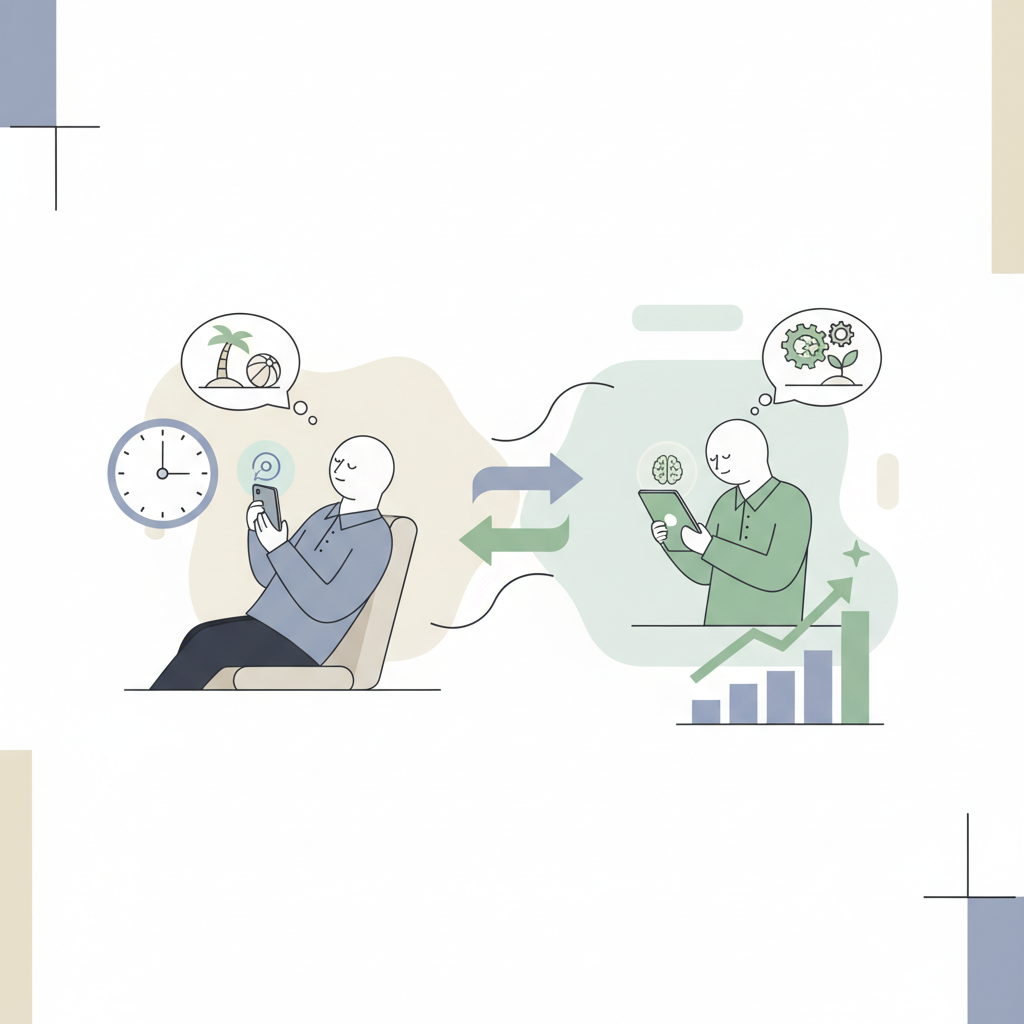
For remote and flexible teams, this conversation must be designed for asynchronous environments. Written updates, recorded walkthroughs, and accessible FAQs can help ensure that employees in different time zones and work arrangements receive the same quality of information. For platforms that support flexible staffing and distributed work, such as XMF, clear communication about role expectations and skill changes is especially important as AI reshapes the boundaries of many jobs.
The companies that navigate AI disruption most successfully will not necessarily be those with the most advanced tools. They will be the ones that bring their people along — with clarity, respect, and a genuine commitment to shared progress.
Originally published by XMF, inspired by publicly reported industry news.