Hiring has never been a perfectly honest affair. Embellished résumés, overstated skills and carefully rehearsed interviews are as old as the
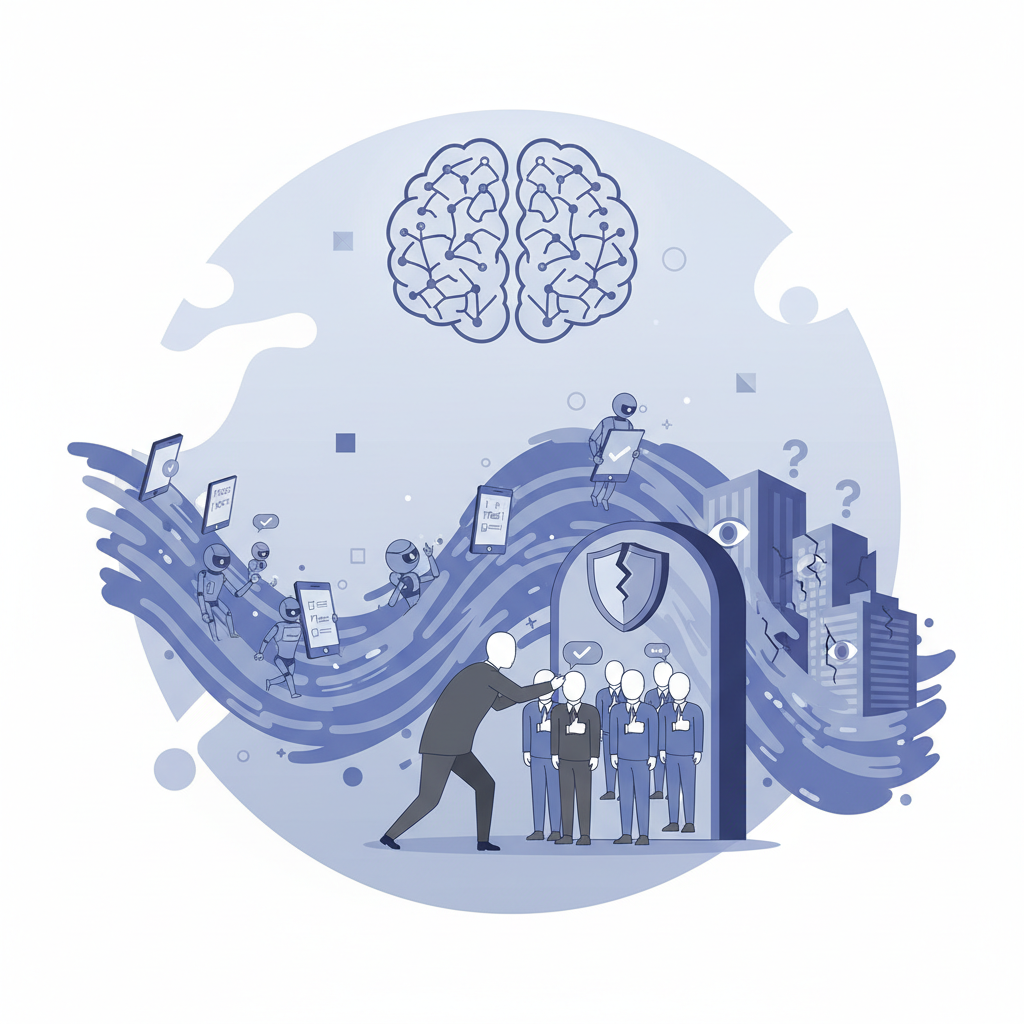
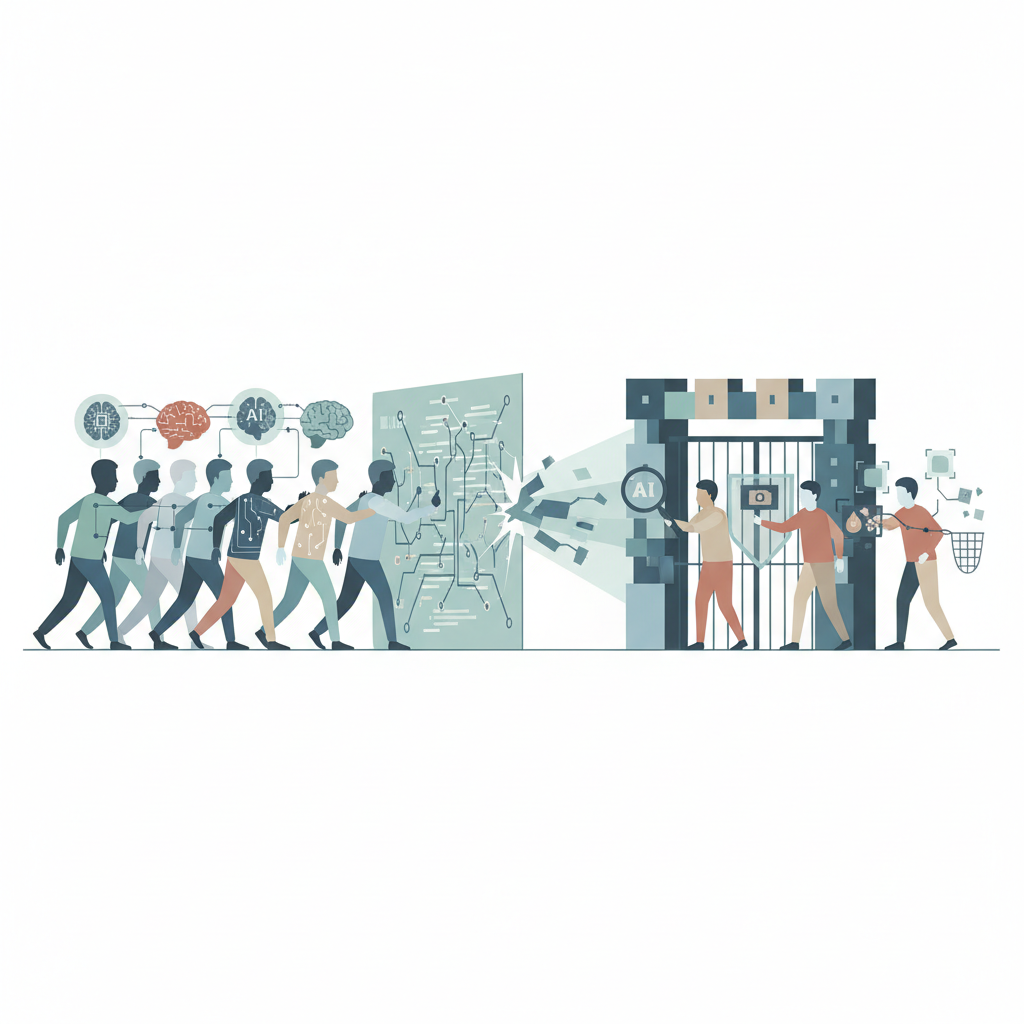
Hiring has never been a perfectly honest affair. Embellished résumés, overstated skills and carefully rehearsed interviews are as old as the job market itself. But a new wave of deception is sweeping through talent acquisition, and it is powered by artificial intelligence. Recent research paints a startling picture: a sharp increase in job seekers using generative AI to manipulate hiring processes, with the vast majority of those attempts slipping past employer defenses entirely. The result is an expensive, messy problem that threatens to undermine trust in recruitment and dilute the quality of every hire.
The study, which surveyed HR professionals and hiring managers across multiple industries, found that more than half of respondents had encountered candidates who used AI tools to fabricate or significantly embellish application materials. In many cases, the deception went beyond résumé padding. Applicants are employing large language models to craft perfectly tailored cover letters, generate articulate answers to screening questionnaires and even simulate authentic-sounding video responses—all in seconds. What is most alarming is that existing vetting processes, including automated screening tools and recruiter reviews, are largely blind to this kind of AI-generated content.
The New Face of Candidate Fraud
The cheating takes several forms, each more sophisticated than the last. At the basic level, candidates feed a job description into an AI tool and receive a flawless, keyword-optimized résumé within moments. The document may include entirely fictional achievements, such as projects never completed, certifications never earned or roles never held. Because these outputs are designed to bypass applicant tracking systems, they often sail through initial filters and land directly in the inbox of a busy recruiter who may lack the time to verify every claim.
More advanced cheating occurs during digital assessments and asynchronous video interviews. Tools now exist that can listen to an interview question and generate a persuasive spoken answer in real time, delivered with natural pauses and eye contact via a deepfake avatar. Others use AI to transcribe the question, search a candidate’s prepared notes and suggest a script that the person reads while maintaining the illusion of spontaneity. These methods exploit the remote hiring infrastructure that became mainstream during the pandemic, where body language cues and instinctive red flags are harder to detect through a screen.
Even technical assessments are under assault. Platforms that ask candidates to solve coding problems or complete data analysis tasks have seen a rise in the use of AI assistants that submit correct solutions without leaving a trace of external help. The boundary between legitimate tool use—a developer consulting documentation, for instance—and outright cheating has become dangerously blurred, leaving employers uncertain where to draw the line.
Why Traditional Screening Fails
The core reason this fraud goes undetected is that most hiring technology was not designed to spot AI-generated content. Applicant tracking systems scan for keywords and years of experience, not for the subtle linguistic patterns or unnatural perfection that betray a large language model’s hand. Human reviewers, meanwhile, are overwhelmed by volume. A single corporate job posting can attract hundreds of applications in a matter of hours; recruiters may spend mere seconds on each résumé before making a shortlisting decision. In that context, a flawlessly written and highly relevant application—regardless of its origin—often gets the benefit of the doubt.
Ironically, the same AI that candidates exploit is now being sold to employers as a solution. A growing market of detection tools promises to flag machine-generated text, but they are far from reliable. False positives can unfairly penalize non-native speakers or applicants with formal writing styles, while false negatives let cheaters through. The cat-and-mouse dynamic inevitably benefits the cheater, as each upgrade to a detection algorithm is met by a rapid adaptation of the generative model. The financial cost of repeatedly overhauling screening processes, combined with the reputational damage of a bad hire, makes this a deeply messy problem for HR leaders.
Building a More Resilient Hiring Process
Experts argue that the answer is not to wage an unwinnable technological arms race, but to rethink how candidates are evaluated. Structured, competency-based interviews that focus on how a person thinks rather than what they claim on paper are harder to cheat with AI. Live problem-solving exercises—conducted with screen sharing and real-time interaction—add a layer of authenticity that recorded responses lack. In-person or live-video behavioral panels can surface inconsistencies that polished, pre-generated answers hide.
Some organizations are also turning to data-backed verification. Rather than treating every résumé claim as fact until proven otherwise, they are integrating background checks earlier in the funnel, using digital identity verification and contacting previous employers proactively. This creates a higher barrier for fraudulent applications and sends a clear signal that integrity matters. While such steps add time and cost to the process, they are far less expensive than the long-term fallout of a mis-hire at a senior level.
HR leaders must also reconsider the role of AI from a strategic angle. Instead of asking how to plug a leak in the existing system, they should question whether the system itself—with its heavy reliance on textual applications and pre-recorded screening—invites manipulation. Forward-thinking talent teams are exploring more authentic ways to connect with candidates, including small-group auditions, project-based trials and genuine two-way conversations early in the pipeline. These methods are harder to scale, but they restore the human element that pure digital screening has eroded.
As companies navigate this unstable terrain, a handful of hiring platforms are beginning to experiment with multi-layered authentication that combines document verification, live coding interfaces and anomaly detection without relying solely on text analysis. While still evolving, such approaches point toward an environment where technology supports fairness rather than undermines it. For the moment, however, the surge in AI-assisted cheating is a stark reminder that every efficiency gain in hiring creates a new vector for those who wish to game the system. The challenge for HR is not just to catch cheaters, but to build a selection process that makes cheating far less worthwhile in the first place.
Originally published by XMF, inspired by publicly reported industry news.
The UK labor market is fracturing along a new fault line: artificial intelligence. According to the latest data from global job site Indeed,
The UK labor market is fracturing along a new fault line: artificial intelligence. According to the latest data from global job site Indeed, AI now features in 9.4 percent of all British job postings, a dramatic climb from roughly 2 percent in 2023. At the same time, overall hiring is sliding in precisely the kind of knowledge work that once defined the modern office — marketing, management, business consulting, and administrative support. What we are witnessing is not a gentle reshuffling of roles but a structural split, one that is compelling HR leaders, remote‑first employers and workers themselves to rethink career strategies in real time.
The surge in AI‑related vacancies touches nearly every sector. Technology firms, financial services, retailers and even government agencies are racing to hire machine‑learning engineers, prompt specialists, AI ethicists and data‑annotation teams. These roles often command premium salaries and can be performed remotely, pulling talent into a new high‑growth orbit. Meanwhile, the very same automation wave is thinning demand for roles that rely on routine analysis, content production or procedural management — the bread‑and‑butter of knowledge workers for two decades.
A Two‑Speed Job Market Emerges
The split is not theoretical. Indeed’s data for the UK shows AI‑related postings more than quadrupling their share of the market in under three years, a trajectory that shows no sign of slowing. Behind the numbers lies a fundamental change in what organizations need: the ability to design, deploy and govern intelligent systems is rapidly overtaking the value of previously prized white‑collar skills. Job titles that barely existed in 2022, such as “AI product manager” or “LLM fine‑tuning specialist,” are now appearing daily, while postings for generic marketing coordinators or mid‑level management analysts are shrinking.
This two‑speed phenomenon is creating discomfort. On one track, AI‑fluent professionals are enjoying a seller’s market, with recruiters competing for scarce expertise. On the other, experienced knowledge workers find themselves in a cooling field where automation is redesigning the workload faster than individual upskilling can keep pace. The divide is geographic, too: regions with strong tech clusters are pulling away, while areas reliant on traditional office‑based services risk being left behind.
Knowledge Work Under Pressure
The decline in traditional knowledge‑work postings is not a headline‑grabbing collapse but a steady erosion that together paints a serious picture. Marketing, corporate communications, project management and even some legal‑adjacent roles are being re‑bundled or replaced by AI‑powered tools. When a generative AI can produce a campaign brief, a summary of market research or a first‑round contract review in seconds, the staffing model shifts from a team of generalists to a smaller group of specialists who orchestrate the tools.
For remote workers, this pressure is acute. Many of the roles that became remote‑friendly during the pandemic — content creation, customer support analysis, virtual administration — are precisely the ones that AI is now reframing. The promise of location independence remains intact, but the skills required to access it are being redefined. Professionals who do not actively incorporate AI into their daily toolkit may find their service becomes less competitive, not because they are less diligent, but because the market is moving beneath them.
What the Split Means for HR and Hiring
For HR leaders, the bifurcation demands a dual strategy. First, they must compete fiercely for AI talent, often bending traditional compensation bands and opening roles to fully remote candidates across national borders. At the same time, they need to manage the more sobering task of reskilling existing workforces while making thoughtful decisions about which roles to retain, retrain or retire.
The split also reshapes recruitment philosophy. Posting a job description and waiting is no longer enough when the hottest skills are rare. Internal mobility programs become vital — giving current employees pathways into AI‑adjacent positions through company‑sponsored training. Apprenticeships, partnerships with online learning platforms, and project‑based assignments that allow non‑technical staff to gain exposure to AI tools are moving from fringe to core HR practice.
Compliance and ethics considerations add another layer. As AI handles more of the screening, matching and even interviewing, HR teams must navigate a growing regulatory landscape. The UK government and European bodies are crafting specific rules for workplace AI, and the companies that fail to build transparent, fair systems risk both legal exposure and brand damage.
Remote Work in the New Landscape
The remote‑work dimension of this split deserves special attention. AI‑specific roles are often designed to be remote‑first, given the global scarcity of talent. In contrast, the declining knowledge‑work roles were historically remote‑friendly, too — meaning that the overall pool of remote opportunities is not shrinking; it is being repainted. The entry ticket, however, now reads “AI literacy,” not just “laptop and stable internet.”
Organizations that embrace flexible staffing models, including contingent workers and global freelancers, are better positioned to ride the wave. They can bring in AI expertise for short‑term projects while giving permanent staff the breathing space to reskill. This agile approach lessens the all‑or‑nothing risk of a sudden market tilt and keeps the workforce adaptable.
For professionals navigating this change, the message from the data is clear: regardless of job title, learning how to work alongside AI is becoming a non‑negotiable. Not everyone needs to become a data scientist, but the ability to prompt, validate and refine AI output — and to understand its limitations — is fast becoming a baseline expectation, much like spreadsheet proficiency was a generation ago.
As the split deepens, the role of platforms that connect flexible talent with emerging opportunities grows. For remote workers and employers seeking to stay nimble, environments like XMF can help match skills to the new market reality without the lag of traditional hiring cycles. Whether filling an urgent AI project need or finding a research analyst who has already evolved their toolkit, the ability to move quickly matters more than ever. The UK’s job market is delivering an unambiguous signal: the future is not about humans versus machines, but about which humans ride the wave.
Originally published by XMF, inspired by publicly reported industry news.