

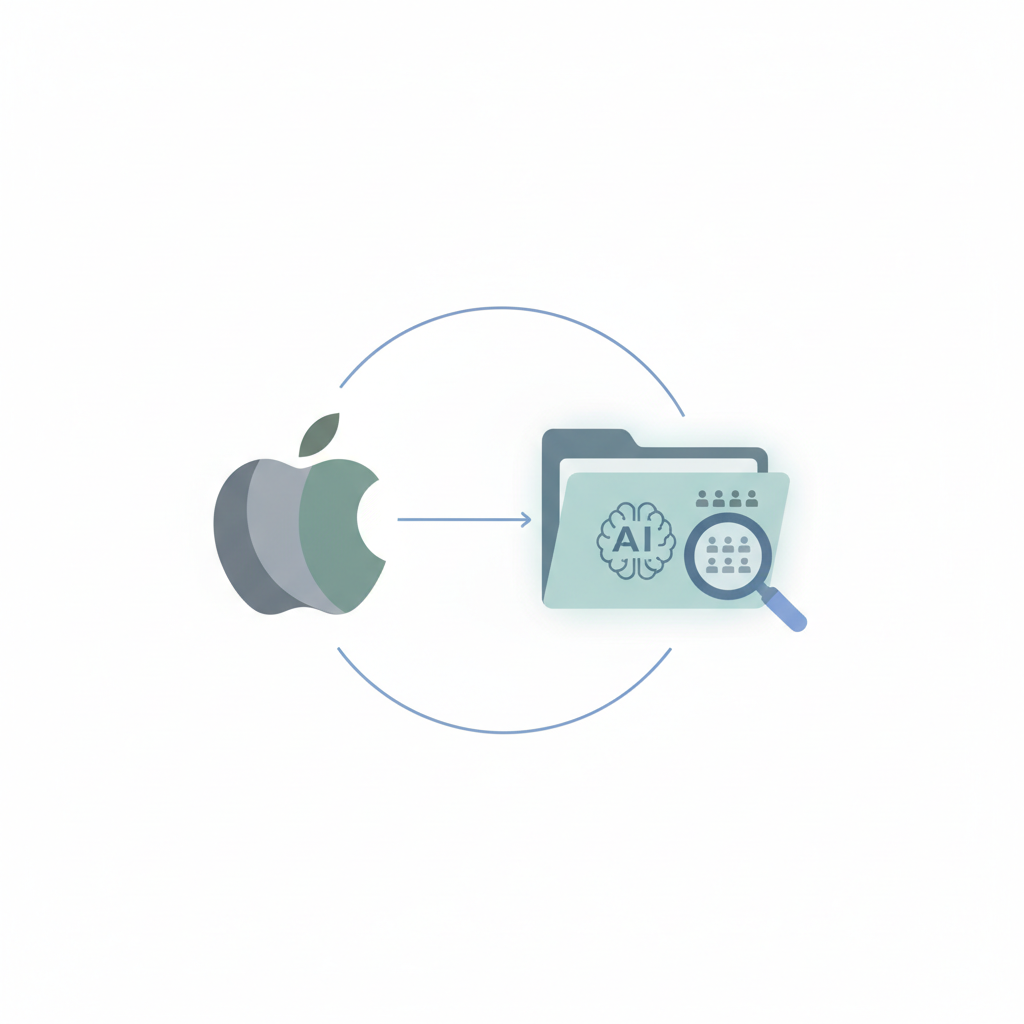
A federal judge has ordered OpenAI to turn over interview materials and other hiring records related to former Apple employees as part of an ongoing trade secrets dispute. The ruling gives Apple access to private messages and testimony from key figures involved in recruiting and hiring decisions, potentially shedding light on how sensitive information moved between two of the most influential companies in artificial intelligence.
What the court order allows
The order covers interview notes, internal communications, and testimony connected to individuals who left Apple to join OpenAI. Apple had argued that these materials could show whether former employees disclosed confidential information during the hiring process or whether OpenAI sought to obtain proprietary knowledge through targeted recruiting. OpenAI had pushed back on some requests, but the judge concluded that the records were relevant enough to be produced.
The private messages and testimony covered by the order are particularly significant because they may capture informal discussions that never appeared in official hiring documents. In many organizations, recruiters and hiring managers communicate through chat tools, and those exchanges can be more candid than formal evaluations.
Importantly, the ruling is a discovery decision, not a judgment on the merits. It does not establish that any trade secrets were misappropriated. It simply determines what evidence Apple may examine while building its case. Still, discovery fights like this can shape the direction of a lawsuit because they determine which internal conversations and documents become part of the record.
Why hiring records matter in trade secrets litigation
Trade secrets cases involving employee movement often turn on evidence that is difficult to obtain. Companies rarely have a single smoking-gun document showing that a departing employee copied files or shared them with a new employer. Instead, they must reconstruct what happened through interviews, messages, and recruitment materials.
Interview notes can reveal whether a candidate was asked about specific technology from a previous employer. Recruiter messages may show whether a hiring team targeted a particular team because of its confidential work. Testimony from managers can clarify what a new hire was expected to contribute and whether that expectation depended on proprietary knowledge rather than general skill.
For this reason, the OpenAI records could be valuable to Apple even if they are not conclusive. They may demonstrate a pattern of interest in Apple's research, or they may show that the hiring process was ordinary and based on public information. Either outcome matters to the case.
The wider stakes for AI talent competition
The dispute highlights a growing tension in the AI labor market. Experienced machine-learning engineers and researchers are in short supply, and companies are competing aggressively to hire them. Large firms like Apple and OpenAI offer substantial pay packages, but they also face legal risk when employees move between competitors with knowledge of unreleased products and research.
The ruling also reflects a broader legal shift as courts become more comfortable ordering technology companies to share internal communications in trade secrets cases. In the past, such discovery was often limited, but the importance of AI research has raised the stakes.
For HR and legal teams, the case is a reminder to handle interviews with candidates from competitors carefully. Clear guidelines should cover what questions may be asked, what documents may be received, and how internal communications about a candidate's prior work are saved. This is especially true in remote and hybrid hiring, where video interviews, chat messages, and digital notes can later become evidence.
Companies that use flexible-staffing or recruiting platforms, including XMF, may want to review their onboarding procedures to ensure that workers understand which information they can and cannot bring from previous roles.
Ultimately, the Apple-OpenAI discovery order does not resolve the underlying trade secrets allegations. But it makes clear that in the competition for AI talent, courts are willing to examine not only what employees take with them, but also how they were recruited in the first place.
Originally published by XMF, inspired by publicly reported industry news.
 Likes 0
 Save
Save
 Copy Link


 沪公网安备 31011702008840号
 Electronic Business License