

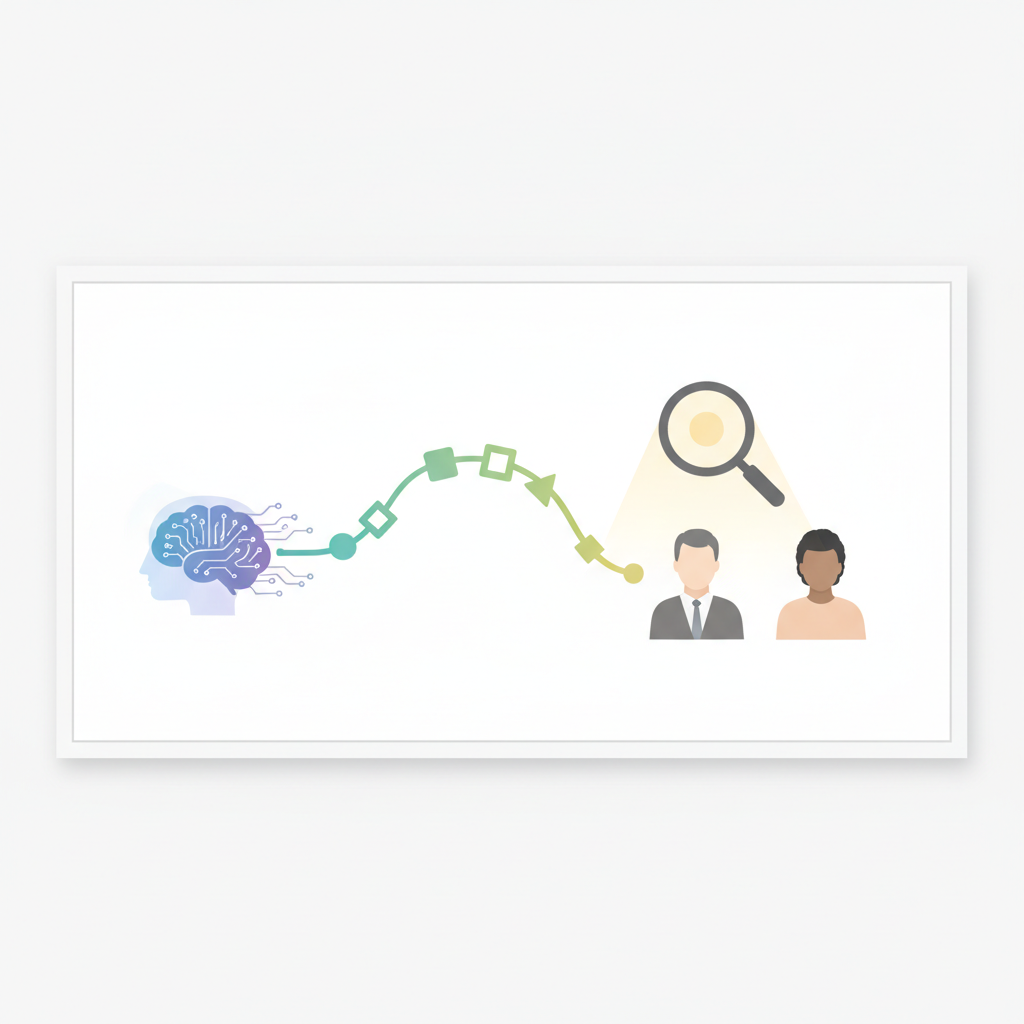
LinkedIn has introduced the latest version of its AI-powered recruiting tool, Hiring Assistant 2, which the company says is built to give talent teams more personalized and precise support in matching candidates to open roles. The update arrives at a time when hiring teams are being asked to move faster, handle larger applicant pools and still make thoughtful, fair decisions. By upgrading the assistant’s capacity for personalization and candidate matchmaking, LinkedIn is signaling that the next phase of AI in recruitment will be less about simple automation and more about decision support.
For recruiters, the promise is straightforward: instead of manually screening dozens or hundreds of profiles, an AI assistant can help surface candidates whose skills, experience and preferences align with a specific job. That can reduce time-to-hire and free up human recruiters to focus on conversations, relationship building and evaluation. But the value depends on how well the tool understands the context of each role, the hiring manager’s priorities and the nuances that do not always appear in a resume.
A shift from automation to matchmaking
Early recruiting automation often focused on basic filtering: keywords, job titles, years of experience. That approach can miss strong candidates who describe their background differently or who have transferable skills. Hiring Assistant 2’s reported emphasis on improved personalization suggests a move toward more adaptive matching. Rather than applying a single rigid filter, the assistant can weigh multiple signals and adjust to the way a recruiter defines a strong candidate.
This matters in a global labor market where remote and hybrid roles are common. A candidate’s location, time zone, work style and communication preferences may be just as relevant as a specific certification. Recruiters who manage distributed teams need tools that can understand these variable criteria without treating them as simple yes-or-no fields.
For example, a remote-first company hiring a product manager may care more about demonstrated ability to work across time zones than about a specific college degree. A rigid keyword filter might overlook that person; a more personalized assistant can incorporate the recruiter’s stated priorities and surface profiles that would otherwise be buried.
Efficiency can improve, but oversight is still essential
AI-assisted hiring can make the screening process faster, but it also raises practical questions. If a model prioritizes certain patterns, recruiters need to know why a candidate was ranked highly or excluded. Bias can enter through historical hiring data, incomplete profiles or over-reliance on proxies for success. The most effective use of these tools is therefore not to replace human judgment, but to give recruiters a clearer shortlist while keeping decisions explainable and reviewable.
Candidate experience is another factor. An efficient process is only useful if it remains fair and transparent. Job seekers often feel frustrated when they are rejected by automated systems without meaningful feedback. As AI assistants become more common, companies will need to balance speed with communication that respects the people behind each application.
Compliance and candidate experience
Compliance considerations also come into play. Different jurisdictions have different rules about automated decision-making in employment. HR teams should be prepared to document how tools are used, what data they access and how final decisions are made. A transparent process protects both candidates and employers.
In practice, this means reviewing the tool’s outputs regularly, testing for unexpected patterns and giving candidates a clear way to ask questions about how their information was handled. These steps can help build trust even as more of the early hiring process becomes automated.
What this means for HR and remote-first teams
For HR professionals and business leaders, the launch is a reminder that AI is becoming embedded in the early stages of the hiring funnel. Tools like Hiring Assistant 2 are part of a broader shift toward data-informed recruitment workflows. Teams that evaluate these tools carefully, test them against real roles and monitor outcomes will be better positioned to gain efficiency without losing the human touch.
Remote and flexible staffing organizations may find particular value in features that can match candidates across regions and working arrangements. As hiring tools mature, HR teams on platforms such as XMF may evaluate how AI assistants fit into remote and flexible staffing workflows. The goal is not to remove recruiters from the process, but to give them better information at the moment they need it.
The broader lesson for talent leaders is that AI should be treated as an assistant, not an authority. The companies that benefit most will be those that combine stronger matching technology with clear policies, regular audits and a commitment to candidate experience. In a competitive hiring market, that combination can be a meaningful advantage.
Originally published by XMF, inspired by publicly reported industry news.
 Likes 0
 Save
Save
 Copy Link

 沪公网安备 31011702008840号
 Electronic Business License