

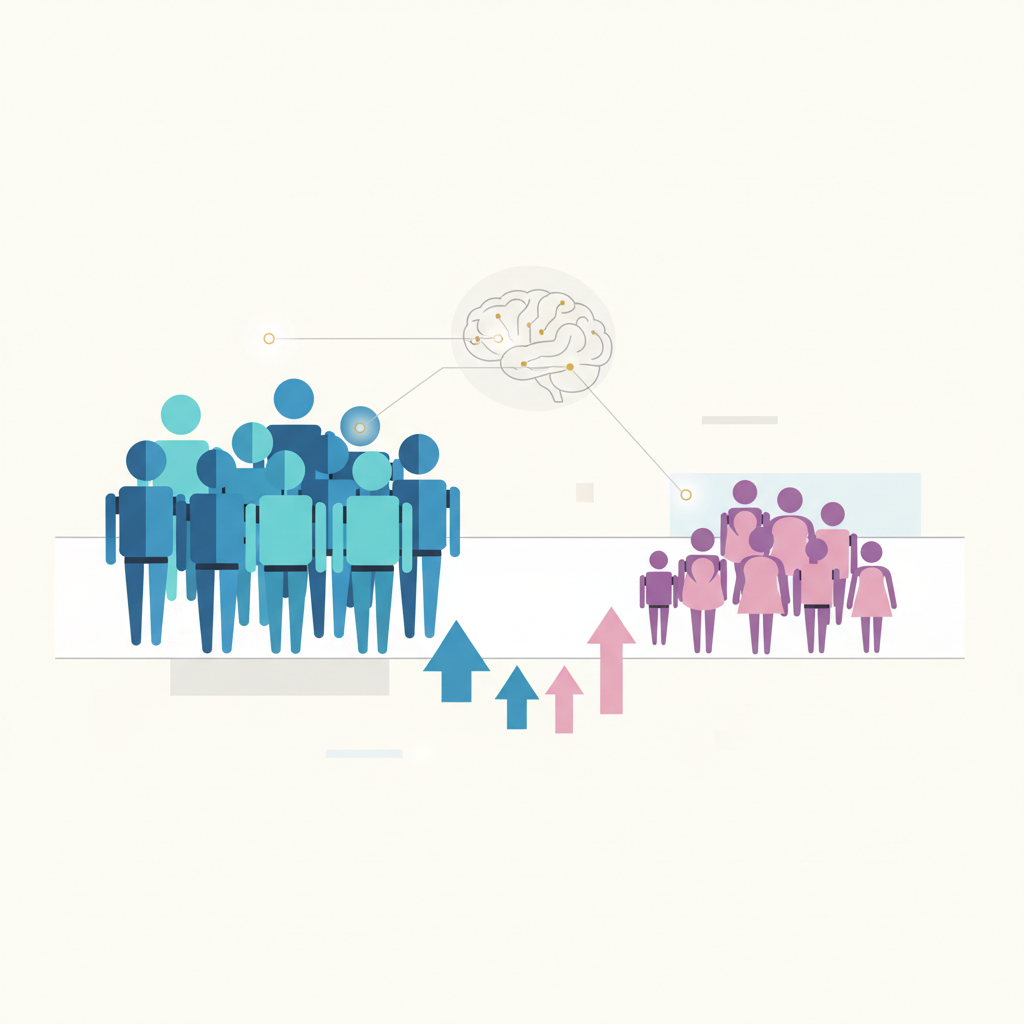
Artificial intelligence is reshaping how companies hire, evaluate performance, and make workforce decisions, yet the people building these systems remain far from representative. A new HR Dive report highlights what many HR leaders already suspect: women are significantly underrepresented in the AI workforce. That imbalance is not only a fairness concern; it has direct consequences for the quality and fairness of the algorithms that increasingly govern modern work.
A Structural Gap, Not Just a Pipeline Issue
Although estimates vary by region and seniority, the overall pattern is consistent. Women hold a minority of roles in machine learning, data engineering, and AI research, and their presence thins at each step up the career ladder. In many organizations, the gap is widest in senior technical and executive positions, where decisions about model design, data priorities, and product strategy are made.
Some leaders dismiss this as a pipeline problem, arguing that too few women graduate with AI-related degrees. While educational imbalances are real, they do not explain the full picture. Women are leaving AI-related career paths at higher rates than men, often after entering the workforce. That points to hiring practices, workplace culture, and retention failures as major contributors.
The stakes are especially high because AI systems learn from historical data and human assumptions. When the teams building those systems are homogeneous, blind spots can become embedded in products. Hiring algorithms, performance rating tools, and even workplace communication platforms can reflect narrow perspectives if they are designed without diverse input.
Why Representation Drops
Several factors combine to suppress women's representation in AI roles. Job descriptions in technical fields often contain language or requirement lists that discourage qualified female applicants. A posting that demands a long list of credentials, for example, may still attract male candidates who apply even when they meet only some of the criteria, while many women self-select out. Unstructured interviews and referral-heavy recruiting can also reinforce existing networks.
Assessment methods can be another barrier. Competitive coding tests, marathon hackathons, and open-source contribution history are common ways to screen AI candidates, but they tend to favor people with more discretionary time and established network support. These methods are not always predictive of on-the-job success, yet they can shape hiring decisions for years.
Retention is equally important. Women in AI and adjacent technical roles often report isolation, limited access to senior sponsors, and workplace cultures that reward visibility over results. In fast-moving AI teams, the pressure to constantly upskill or be available around the clock can conflict with caregiving responsibilities, which women disproportionately carry. Remote and hybrid work can help, but flexibility alone does not fix promotion gaps or everyday exclusion.
What HR Leaders Can Do
HR teams should treat AI workforce representation as both a talent priority and a product-quality issue. The first step is measurement: audit representation by level, function, and region, and track the hiring funnel to see where women drop out. Without data, organizations often overestimate the health of their pipelines and misdiagnose the problem.
Hiring practices need to be redesigned around structured, job-relevant evaluations. Use work-sample tests instead of relying solely on pedigree or competitive coding. Ensure interview panels include women and other underrepresented voices, and remove unnecessary degree or experience requirements. Blind resume reviews can reduce early-stage bias, but they are only one part of the fix.
Retention and advancement deserve equal attention. Formal sponsorship programs, clear promotion criteria, and pay equity reviews can help keep experienced women in AI careers. Return-to-work pathways for those who took career breaks can add mid-career and senior talent. Internal mobility programs can also help employees from adjacent roles move into AI-focused positions without starting over.
Finally, organizations should hold leaders accountable for progress. Diversity goals without ownership rarely produce change. Tie representation and retention metrics to team leader reviews, and publish progress internally. The HR Dive report is a useful reminder that the AI workforce is being built now, and the choices made today will shape workplace technology for a decade or more.
For companies that operate with remote and flexible staffing, expanding the talent search beyond familiar networks can widen the candidate pool. Platforms such as XMF can support that effort by connecting employers with qualified professionals across geographies, but the real work happens inside the hiring process and company culture. A more representative AI workforce is not just a moral win; it leads to fairer algorithms, stronger products, and better decisions for everyone.
Originally published by XMF, inspired by publicly reported industry news.
 Likes 0
 Save
Save
 Copy Link



 沪公网安备 31011702008840号
 Electronic Business License