

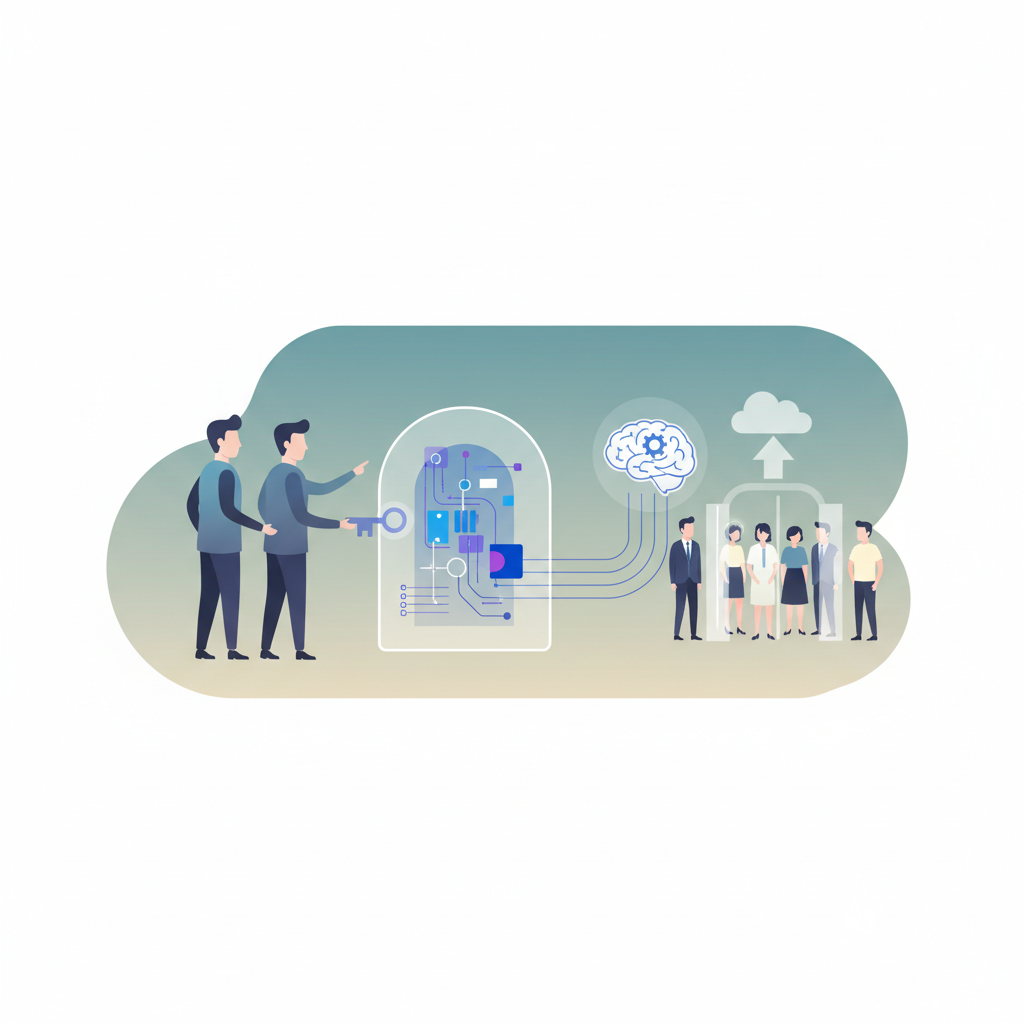
The increasing use of artificial intelligence in recruitment has created a new kind of hurdle for job seekers: the automated screening filter. A recent report reveals that some Google employees have circulated an internal document warning candidates about the company’s AI hiring tools—and offering practical advice on how to avoid being filtered out before a human recruiter ever sees an application.
The development highlights a growing tension in modern talent acquisition. Employers deploy AI to manage large volumes of applicants, but the people inside those organizations sometimes question whether the technology is fair, transparent, or even effective at identifying good candidates.
The algorithmic gatekeeper
AI-driven hiring filters typically parse resumes and applications for keywords, skills, and formatting signals before ranking or rejecting them. These systems can screen thousands of candidates in minutes, which helps large employers cope with high application volumes. But the process is opaque: candidates rarely know which criteria the algorithms use, how heavily each factor is weighted, or whether their application was rejected by a machine or a person.
The internal Google document reportedly warns that qualified applicants may be eliminated simply because their resumes do not match the patterns the system expects. That concern resonates far beyond one company. As more organizations adopt AI screening, HR professionals and job seekers alike are realizing that a strong CV is no longer enough; candidates must also understand how to communicate with software.
What candidates are being told
According to the report, the guidance encourages applicants to make their materials easier for automated systems to parse. That can include using standard section headings such as "Work Experience" and "Education," avoiding complex tables or graphics, and placing relevant keywords in context rather than simply listing them. Candidates may also be advised to mirror the language of the job description, because AI filters often compare applications to the wording of the posting itself.
Some of this advice is not new. Career coaches have long recommended tailoring resumes to specific roles. What makes the internal document notable is the source: employees inside the hiring organization acknowledging that the technology can filter out strong applicants and sharing workarounds. It suggests that even people who build or use these systems do not fully trust them to make nuanced judgments.
The report does not claim that Google’s AI filters are discriminatory or intentionally flawed. But it does point to a practical reality: when algorithmic screening becomes widespread, job hunting increasingly rewards those who understand the rules of the system. That can create an uneven playing field between candidates who receive insider guidance and those who do not.
Trust and the future of hiring
For HR leaders, the story is a reminder that automation should support human decision-making, not replace it without oversight. If employees feel the need to coach applicants on how to beat the company’s own tools, that is a signal that the hiring process may need more transparency. Regular audits, clear communication about how AI is used, and a simple way for candidates to appeal automated decisions can help close the trust gap.
For remote and hybrid workers, who often apply to jobs across regions and time zones, the stakes are especially high. They may never meet a recruiter in person, so their first impression is often made entirely through digital systems. Understanding how those systems read applications is becoming an essential skill—not because candidates should game the process, but because they deserve a fair chance to present their qualifications.
The broader lesson is not that AI hiring is bad. It can reduce bias, speed up repetitive tasks, and help busy teams focus on high-value conversations. But the technology works best when it is explainable, monitored, and paired with human judgment. As companies like Google continue to refine their tools, the goal should be a hiring process that is efficient for employers and fair for everyone else. For organizations building distributed teams, including platforms such as XMF that connect remote talent with flexible opportunities, this balance between automation and human insight is becoming a defining feature of good workforce management.
Originally published by XMF, inspired by publicly reported industry news.
 Likes 0
 Save
Save
 Copy Link

 沪公网安备 31011702008840号
 Electronic Business License