

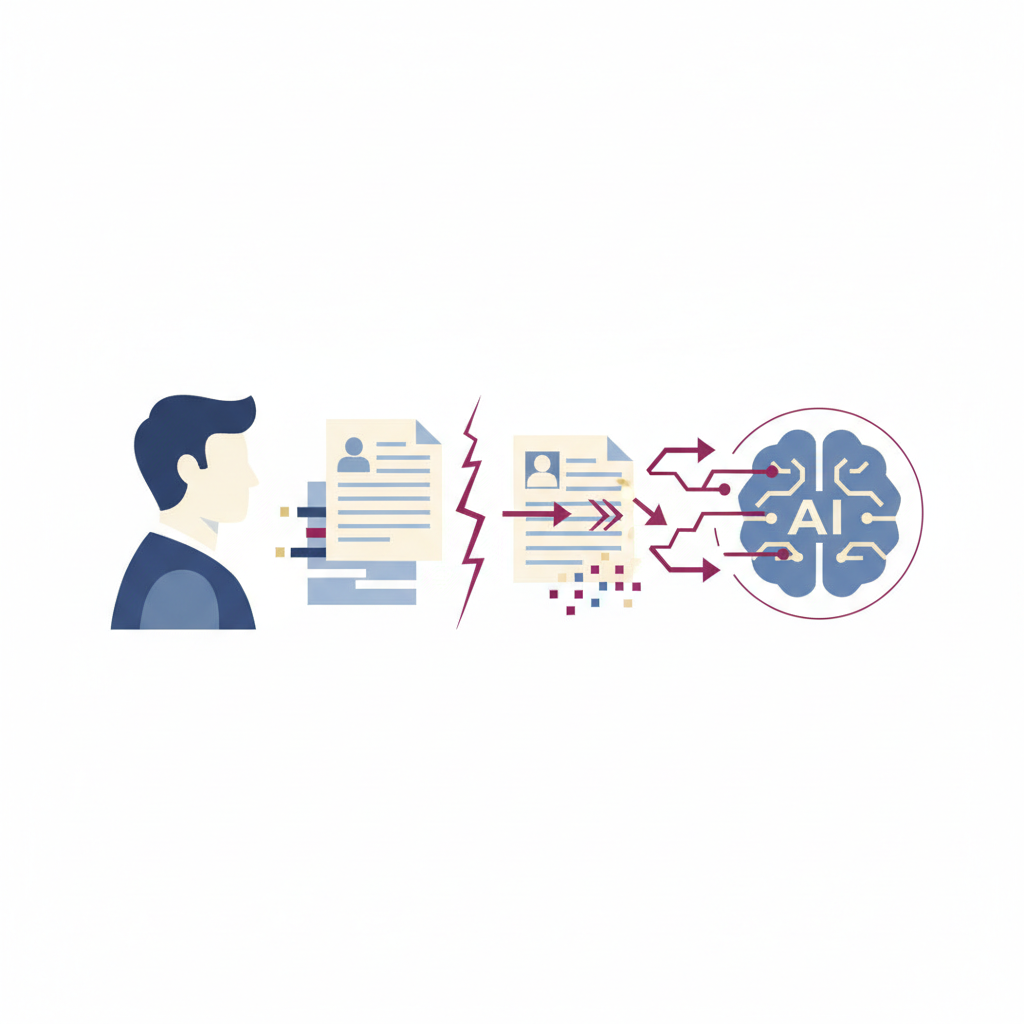
As artificial intelligence becomes more sophisticated, the ways job seekers can game the hiring process are multiplying—and employers are struggling to keep up. Recent data reveals a sharp increase in candidates using AI tools to cheat during applications, interviews, and skills assessments, often without being caught. For HR professionals and business leaders, the implications are profound: wasted recruitment budgets, damaged team performance, and a potential erosion of trust in digital hiring systems.
The Many Faces of AI-Assisted Deception
AI-enabled cheating is not a single tactic; it spans a spectrum of methods that target every stage of recruitment. Applicants can generate perfectly tailored résumés and cover letters in seconds using large language models, blending factual experience with embellished, hard-to-verify claims. During asynchronous video interviews, candidates may use real-time transcription tools that feed AI-generated answers directly to their screens. In technical assessments, browser extensions and hidden software can solve coding challenges or logical reasoning problems on the spot. Even live virtual interviews are vulnerable: deepfake video filters and voice modulators are becoming accessible enough to create a synthetic, polished persona who answers questions flawlessly while masking the real candidate’s capabilities.
The sheer volume of AI-driven submissions compounds the problem. One person can blast out hundreds of applications in an afternoon, each uniquely crafted by AI to bypass applicant tracking systems. This deluge makes it difficult for recruiters to separate genuine talent from cleverly automated noise, and it increases the likelihood that fraudulent applicants slip through.
The Detection Gap Grows Wider
Many organizations rely on post-interview audits, plagiarism checkers, or proctoring software to catch cheaters, but these traditional defenses are no match for modern AI. Advanced language models can produce text that mimics a human’s natural variation, evading standard AI-content detectors. Real-time assistance tools often operate outside the monitoring of conventional proctoring software because they run on a second device or a virtual machine. Research cited in a recent HR Executive report indicates that a significant majority of candidates who use AI to cheat do so without being noticed during the screening process.
This detection gap creates a dangerous false confidence. Hiring managers may believe they have filtered out bad actors, only to discover months later that a new hire lacks the core skills they claimed. The cost of a bad hire is already well-documented—ranging from 30% to 150% of an annual salary—but when the hire was selected primarily because of AI-generated deception, remediation can be even more complex and demoralizing for teams.
The Human and Financial Toll
Cheating during hiring doesn’t just hurt employers; it erodes the candidate experience for honest job seekers. When AI-enhanced applications flood the pipeline, qualified individuals may be overlooked simply because their applications aren’t as aggressively optimized. This can deepen frustration among talented professionals who already feel alienated by impersonal digital recruitment processes. For companies, the reputational damage can be lasting, especially if a fraudulent hire leads to client-facing mistakes or compliance risks.
Financially, the drain is multi-layered. Recruitment teams spend extra time sifting through inflated applications, conducting repeat interviews, and running additional background checks. When a deceptive hire is terminated, the re-hiring costs start all over again. For industries that face strict regulatory background requirements—such as finance, healthcare, or education—a cheater who slips through can trigger fines or legal liability. Moreover, the hidden productivity lag caused by a team working around an underqualified colleague can ripple outward, affecting morale and project timelines for months.
Building a Cheat-Resistant Strategy
Addressing AI-driven cheating requires more than just better detection tools; it calls for a fundamental rethink of how hiring is designed. Experts suggest moving away from purely digital, high-stakes assessments toward more holistic, multi-method evaluations. Live problem-solving sessions with unpredictable prompts, verified portfolio work, and structured behavioral interviews conducted by trained panels can reduce the surface area for AI assistance. Incorporating in-person or proctored skills trials, whenever feasible, remains one of the strongest deterrents.
Technology also has a role in defense: AI models are increasingly being trained to spot inconsistencies in pacing, voice, and response patterns that may indicate external assistance. Some applicant tracking systems are experimenting with metadata analysis, such as keystroke dynamics or timestamps, to flag suspicious application behavior. However, any detection system must be implemented transparently and in compliance with data privacy regulations to avoid alienating genuine candidates.
Ultimately, the most effective countermeasure may be a cultural shift within HR teams—acknowledging that the digital hiring environment has permanently changed. Rather than treating cheating as a rare anomaly, organizations can embed integrity checks as a standard part of the recruitment workflow. This means investing in recruiter training to recognize subtle red flags, engaging hiring managers earlier in the process to cross-validate skills, and fostering an employment brand that emphasizes authentic assessment over purely automated convenience. In a world where remote and hybrid work have become the norm, recruiters must adapt their practices to preserve the credibility of every hire.
Originally published by XMF, inspired by publicly reported industry news.
 Likes 0
 Save
Save
 Copy Link

 沪公网安备 31011702008840号
 Electronic Business License