

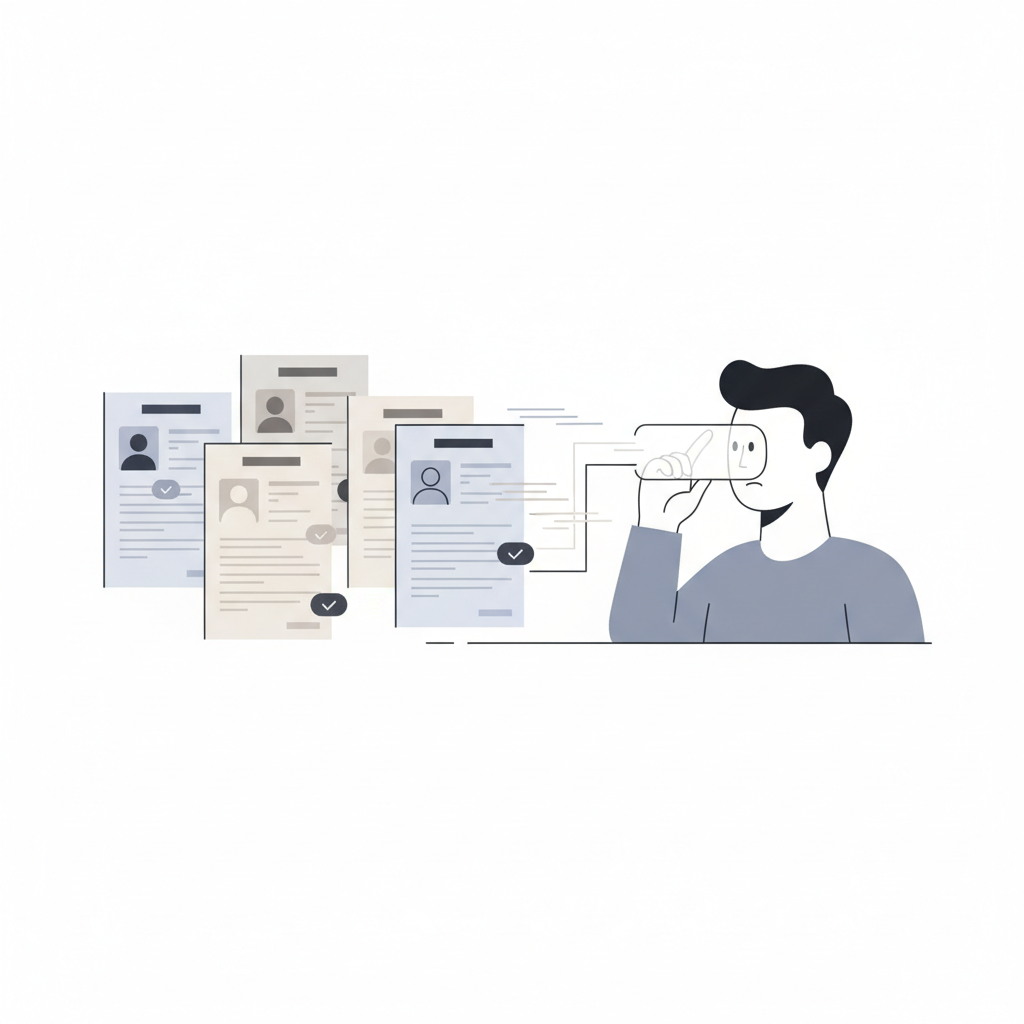
The rise of generative AI has been a double-edged sword for the hiring landscape. While tools help recruiters sift through resumes and automate scheduling, a more troubling trend has quietly accelerated: candidates are using AI to cheat during application processes, and most of them are getting away with it. Recent research indicates a sharp spike in the number of job seekers deploying AI to fabricate answers, complete assessments, and even impersonate their true skills—all while slipping past existing detection mechanisms. For HR professionals, the implications are sobering, pointing to a future where the very integrity of talent acquisition could be compromised.
A Surge in Sophisticated Deception
According to a recent report from a leading candidate integrity platform, the number of applicants using generative AI tools to gain an unfair advantage has more than tripled in the past twelve months. These tools—ranging from large language models to specialized interview bots—can craft tailored cover letters, answer cognitive or coding test questions, and even simulate realistic video responses. Over 70% of these deceptive attempts, the report warns, go completely undetected by standard hiring filters. AI-written responses often outperform genuine ones in keyword optimization, making them more likely to pass automated screening and land on a recruiter's desk.
Why Detection Lags Behind
The core challenge for employers is that AI-generated content is becoming indistinguishable from human writing. Traditional plagiarism checkers were designed to catch copied text, not original-sounding prose produced by a model. Even newer AI detection tools carry high false-positive rates and struggle with nuanced, professionally written answers. Many recruiters, already overwhelmed by volume, lack the time or training to spot the subtle tells of AI assistance: an unnatural uniformity in tone, overuse of certain phrases, or answers that are technically perfect but emotionally flat. Meanwhile, candidates are growing more adept at refining AI output with slight edits that defeat automated screens. The result is an arms race where hiring teams are perennially one step behind.
The Hidden Costs for Organizations
The financial and operational toll of AI-fueled cheating extends far beyond a single bad hire. When an unqualified candidate lands a role based on falsified abilities, the company must invest months in onboarding and training before gaps become apparent. Productivity dips, team morale suffers, and the eventual replacement process cycles back through the same vulnerable pipelines. A 2025 Society for Human Resource Management survey estimated that a mid-level mis-hire can cost an organization between 200% and 300% of the annual salary once factoring in recruitment fees, lost output, and executive time. Multiply this by a rising number of AI-aided deceptions, and businesses face a silent drain on their competitive edge. For remote and hybrid roles—where in-person verification is absent—the risk is even more acute, as onboarding often happens entirely online, with fewer chances to notice behavioral red flags.
Charting a Path Forward
Combating this trend requires a multi-layered strategy. First, HR leaders must invest in human-centric evaluation methods that go beyond text-based screening. Structured interviews, practical work simulations, and live problem-solving tasks can expose the discrepancy between what a candidate writes and what they can actually do. Second, companies are beginning to adopt specialized anti-cheating platforms that analyze keystroke patterns, mouse movements, and response timing during assessments—behavioral signals that AI alone cannot easily mimic. Third, transparency expectations are shifting: some firms now ask candidates to disclose their use of AI tools during the application process, making honesty a prerequisite rather than a gotcha. In parallel, the industry must confront the underlying pressure that drives applicants to cheat. An over-reliance on automated resume filters and impersonal portals encourages a game-the-system mentality. By designing more inclusive, skills-first hiring processes, organizations can reduce the incentive to deceive.
As remote-work platforms like XMF place an emphasis on authentic, skills-verified profiles, the broader hiring ecosystem may need to follow suit, ensuring that trust and genuine capability remain at the heart of talent decisions. The AI cheating wave is not an indictment of technology itself, but a mirror reflecting the frictions and shortcuts that have long plagued recruitment. Addressing it will demand both smarter tools and a recommitment to valuing real human potential over algorithm-friendly packaging.
Originally published by XMF, inspired by publicly reported industry news.
 Likes 0
 Save
Save
 Copy Link

 沪公网安备 31011702008840号
 Electronic Business License