

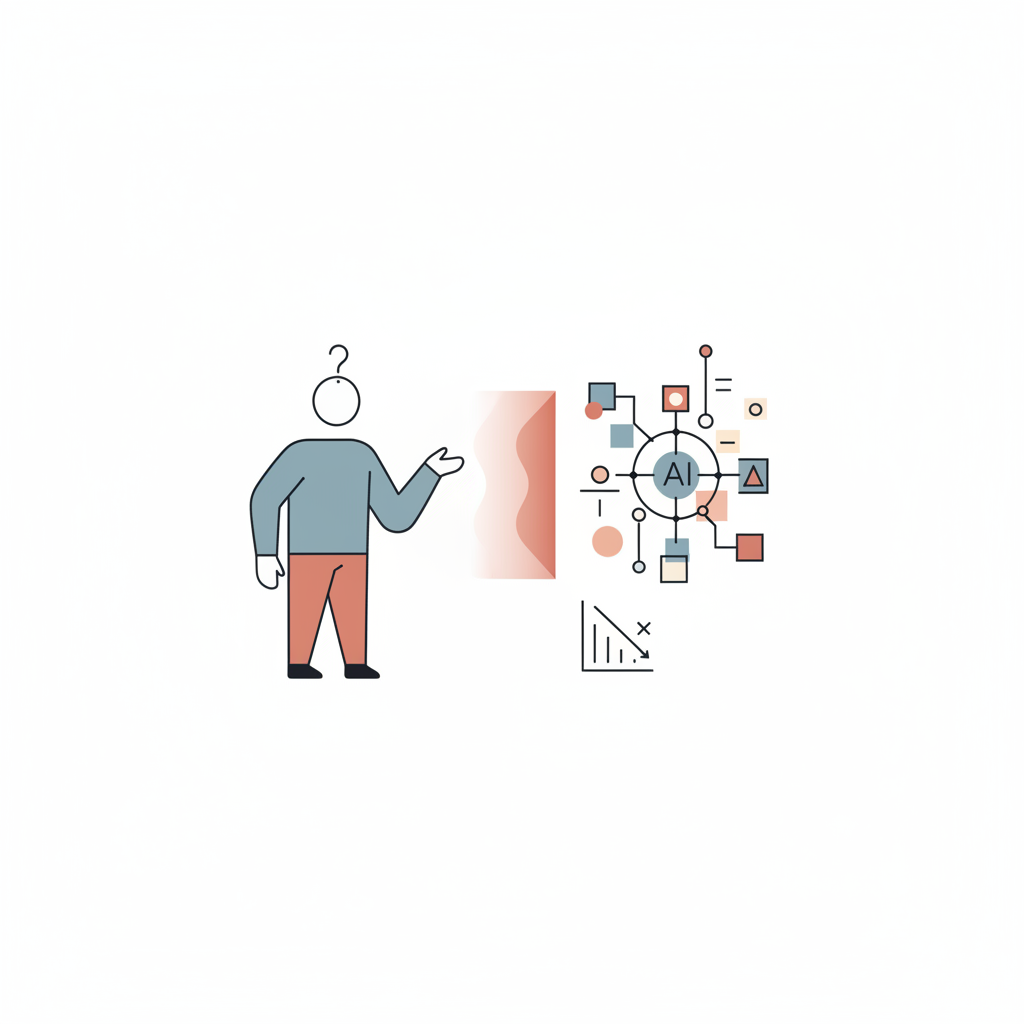
Artificial intelligence continues to dominate headlines with promises of transforming how companies recruit, manage, and engage their people. Yet a fresh pulse-check from the highest echelons of human resources suggests that much of that promise remains just that—a promise. A recent survey of Chief Human Resources Officers (CHROs) reveals a striking gap between AI hype and HR reality, with a clear majority expressing deep skepticism about their organizations' readiness to implement AI tools effectively.
The findings, drawn from a poll of senior HR executives, indicate that while awareness of AI’s potential is universal, confidence in the underlying infrastructure, data quality, and workforce skills is remarkably low. For an audience of remote workers, HR professionals, and business leaders, this skepticism is more than a dampener on tech enthusiasm—it’s a signal that the integration of AI into people management requires a far more deliberate and human-centered approach than vendor pitch decks would suggest.
Behind the Skepticism: Infrastructure and Trust Gaps
At the heart of CHROs' reluctance are two interconnected concerns: immature data ecosystems and a lack of trust in automated decision-making. Many organizations still wrestle with fragmented HR systems where employee information is siloed across payroll, performance, and recruitment platforms. AI models trained on incomplete or biased data can easily produce flawed recommendations—automated résumé screening that overlooks qualified unconventional candidates, or algorithmic performance scores that miss the nuances of remote collaboration. Top HR leaders are rightly cautious, fearing that premature AI adoption could amplify existing inequities rather than eliminate them.
Trust is another formidable barrier. Employees and line managers often view AI-driven HR tools with suspicion, perceiving them as mechanisms for surveillance rather than support. A chatbot that suggests learning paths is welcome, but one that monitors keystrokes and flags disengagement can erode morale in an instant. CHROs report that the cultural readiness to accept AI’s role in sensitive areas—promotions, terminations, or wellness interventions—is still nascent. Without transparent governance and robust ethical guidelines, the risk of backlash looms large, and many HR chiefs prefer to move slowly rather than break the very trust they’ve painstakingly built.
AI’s Promise vs. HR Reality
The disconnect between what AI could do and what it actually does in HR departments is stark. Proponents highlight capabilities like instant candidate sourcing, personalized onboarding, predictive turnover analytics, and AI-augmented coaching. Yet the survey reveals that most CHROs are still grappling with foundational steps—cleaning personnel data, training their teams on digital literacy, and building internal fluency around algorithmic bias. The road from a proof-of-concept to a reliable, enterprise-wide HR tool is longer than many non-specialists assume, and the regulatory landscape adds another layer of uncertainty. With legislation around AI in employment (such as New York City’s bias audit law) still evolving, CHROs are wary of legal exposure.
Moreover, the human resources function itself is stretched thin. Small and mid-sized HR teams often lack dedicated data scientists or AI ethicists, making it hard to evaluate vendors' claims critically. When a CHRO says they are “not ready,” they might mean that their organization lacks the combination of technical talent, change management capacity, and ethical oversight required to use AI responsibly. In that view, skepticism is not Luddism; it’s pragmatic leadership.
Implications for Remote and Hybrid Workplaces
This measured stance has particular resonance in remote and hybrid work environments. Many AI tools marketed to HR promise to solve the perceived visibility problem of distributed teams—monitoring productivity, analyzing communication patterns, or predicting burnout. CHROs who are already hesitant about AI readiness often fear that such tools could undermine the autonomy and trust that sustain successful flexible work. Introducing opaque algorithms into remote settings without clear opt-in and explanation risks alienating the very talent that values location independence.
On the other hand, responsible AI can genuinely enhance remote work by streamlining administrative tasks, surfacing inclusive hiring insights, and delivering real-time learning recommendations that help dispersed employees grow. The key according to the CHRO perspective is to start small, prioritize transparency, and co-design solutions with staff—not roll out black-box systems from the top down. For organizations navigating this balance, partnering with platforms that understand the interplay of flexibility and technology is essential. XMF, for instance, supports companies in building agile, remote-first teams where any AI tool is evaluated for its fit with a culture of trust and empowerment, not just efficiency metrics.
As AI continues to evolve, the skepticism of HR leaders shouldn't be mistaken for rejection. It’s a call for a smarter, safer, and more inclusive path forward—one where technology serves people, not the other way around. The most forward-thinking organizations will be those that listen to their CHROs, invest in readiness before deployment, and never lose sight of the human in human resources.
Originally published by XMF, inspired by publicly reported industry news.
 Likes 0
 Save
Save
 Copy Link


 沪公网安备 31011702008840号
 Electronic Business License