

As generative AI tools become embedded in everyday workflows, a surprising wave of worker disillusionment is surfacing. Recent data reveals that nearly two-thirds of employees miss the way they worked before AI became ubiquitous, and a significant minority would prefer to remove these tools from their daily routines entirely. This sentiment, which some are calling the great AI regret, challenges the prevailing narrative that AI adoption is universally welcomed and productivity-enhancing. For HR leaders and managers, the numbers are a clear signal that the human side of technological transformation demands far more attention than it is currently receiving.
The Scale of Discontent
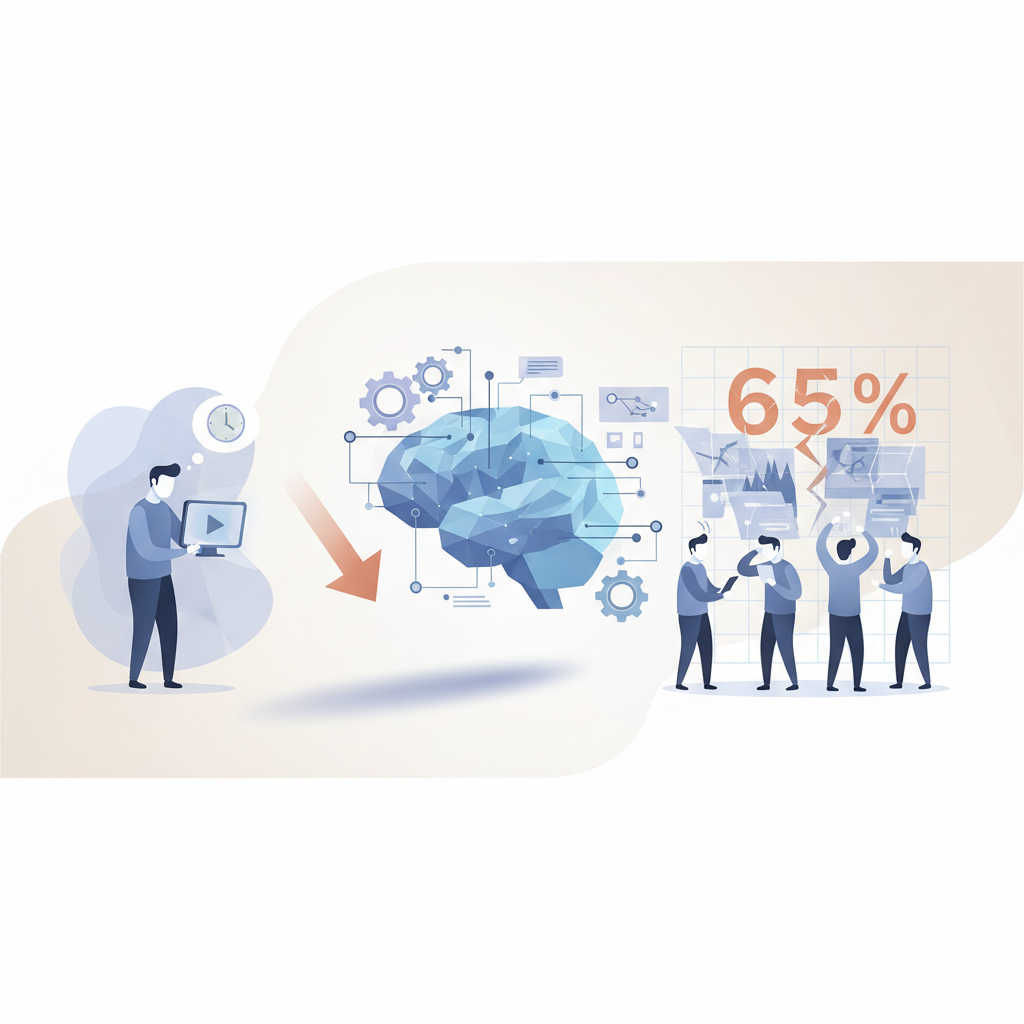
The figures are striking. A large-scale survey of knowledge workers found that 65% feel nostalgic for pre-AI work environments, citing a loss of certain intangibles—like creative friction, spontaneous collaboration, and the quiet satisfaction of solving problems without algorithmic assistance. More dramatically, 38% of respondents said they would eliminate generative AI from their workplaces altogether if given the choice. These are not marginal opinions; they represent a broad-based emotional reaction that cuts across industries and seniority levels.
Interestingly, the regret is not necessarily tied to poor performance of the tools themselves. Many employees acknowledge that AI accelerates routine tasks and reduces grunt work. The dissatisfaction stems from deeper, less quantifiable changes: a perceived erosion of professional identity, reduced social interaction around work processes, and anxiety over being reduced to mere prompt-writers. In effect, AI has arrived as a solution to efficiency challenges, but it may have inadvertently created a meaning crisis within the desk-bound workforce.
What Drives the Regret?
Several factors contribute to this pushback. First, the speed of integration has often outpaced genuine consultation. In many organizations, AI tools were deployed top-down with limited training and even less discussion about how they would reshape daily tasks. Workers were told the technology would make them more productive, but they were rarely asked what parts of their jobs they actually wanted automated. The result is a sense of loss of control—a feeling that the machines have encroached on the parts of work that people valued most.
Second, the erosion of mastery plays a significant role. For years, employees built expertise through trial and error, deep focus, and incremental skill-building. When AI instantly generates polished outputs, the learning journey can feel short-circuited. Junior staff, in particular, worry that they are no longer honing the foundational skills they need for long-term growth, creating an experience gap that could haunt their careers later. Even among seasoned professionals, there is a quiet fear that judgment and intuition are being sidelined in favor of algorithmic recommendations, leaving them less sharp than they once were.
Third, social dynamics have shifted. White-collar work has always been buoyed by informal knowledge-sharing, mentoring, and the camaraderie of tackling tough problems together. When a chatbot can provide answers faster than a colleague can, those human interactions diminish. The psychological cost of this isolation—already heightened by remote and hybrid arrangements—adds a layer of regret that is as much about community as it is about technology.
Implications for HR and Leadership
These findings put HR leaders in a delicate position. On one hand, the competitive pressure to adopt AI is immense, with promises of lower costs and faster output. On the other hand, ignoring worker sentiment invites disengagement, higher turnover, and resistance that can undermine the very productivity gains AI is meant to deliver. The great AI regret is not a call to abandon automation; it is a demand for a more humane implementation model.
Practical steps begin with inclusive dialogue. Before rolling out new tools, teams should be invited to map out which tasks they would happily delegate and which they want to protect. Not every automatable activity should be handed over to a machine. Some low-stakes, time-consuming work still holds developmental value, and sacrosanct tasks that fuel pride or creativity must be identified and preserved. Furthermore, retraining programs must go beyond technical “how to prompt” sessions and address the emotional and cognitive shifts AI triggers, helping employees redefine their professional identities in an AI-augmented landscape.
Monitoring well-being metrics is equally critical. Engagement surveys should now include specific questions about AI satisfaction, perceived skill atrophy, and social connectivity. When regret bubbles up, it needs to be acknowledged openly rather than dismissed as technophobia. Some firms are already appointing AI transition leads who focus not on IT infrastructure but on the human experience, ensuring that productivity metrics never drown out the voices of those doing the work.
Balancing Efficiency and Humanity
The great AI regret does not mean the technology is doomed. It means we have learning to do about how to integrate it without hollowing out the human experience of work. Remote and hybrid teams, which rely heavily on digital tools, are especially sensitive to this balance; the addition of gen AI must feel like an expansion of capability, not an erosion of connection. Organizations that succeed will treat AI as a collaborative partner that elevates human judgment, not as a replacement that diminishes it. For platforms that support flexible and remote work, like XMF, this lesson underscores the importance of building processes around people first, letting technology follow rather than lead.
Ultimately, the 65% who miss the old ways are not resisting progress. They are asking for a version of progress that doesn't forget the value of human effort, growth, and connection. Listening to that regret—and designing around it—may be the most strategic move any business can make right now.
Originally published by XMF, inspired by publicly reported industry news.
 Likes 0
 Save
Save
 Copy Link


 沪公网安备 31011702008840号
 Electronic Business License