

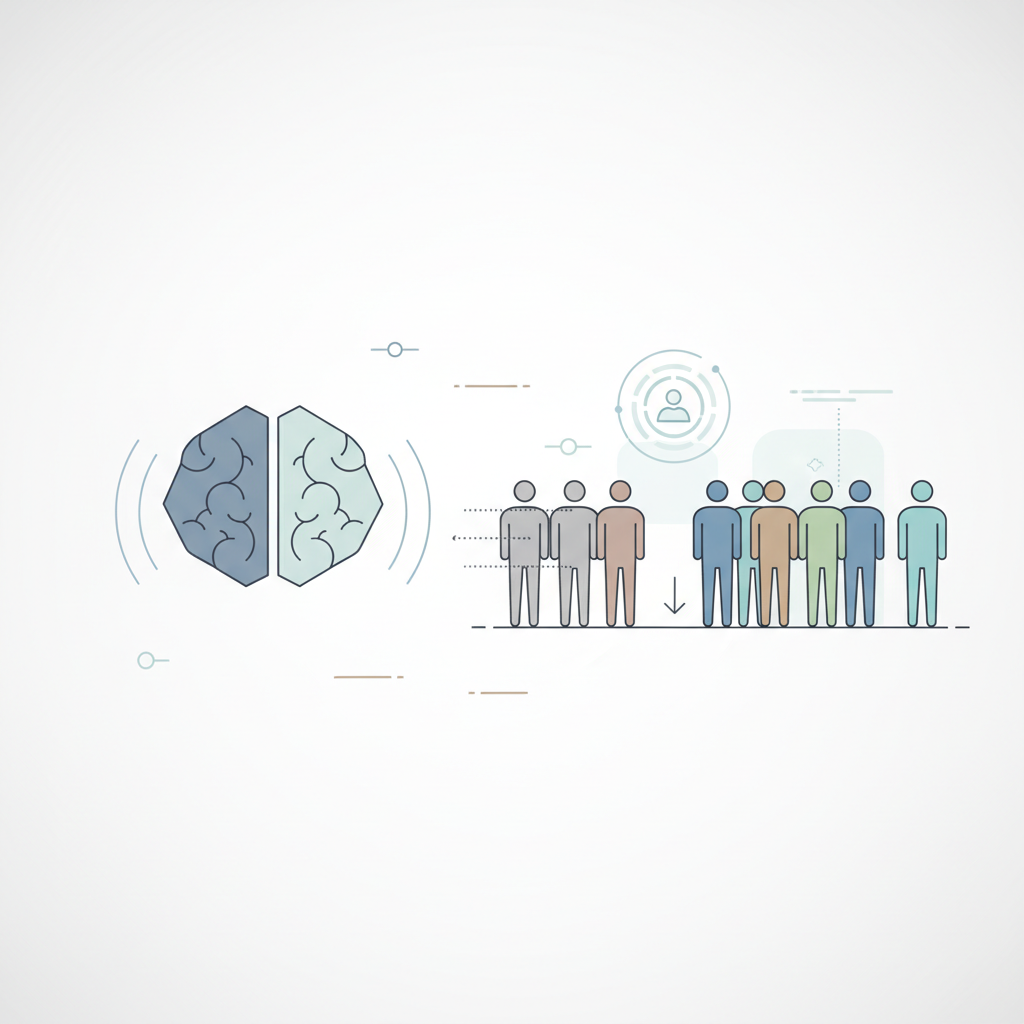
A quiet but alarming shift is taking place inside HR departments: managers are increasingly turning to artificial intelligence to help select which employees will lose their jobs. This is not a distant scenario debated at ethics conferences. A recent survey indicates that a meaningful share of organizations already uses AI models in layoff decisions, weighing variables such as sick leave records, age, tenure, and even performance review scores to determine who stays and who goes.
The Quiet Adoption of Algorithmic Layoffs
Faced with the need to reduce headcount quickly, many line managers and HR professionals now see AI as a practical tool to remove emotion and bias from a painful process. The rationale seems straightforward: if an algorithm can analyze thousands of data points without favouritism or exhaustion, it should produce fairer, more objective cuts. According to a recent study, factors commonly fed into these models range from tenure and salary band to less obvious indicators such as the number of sick days or even an employee’s age—variables that, when used carelessly, can swiftly trip into legally protected territories.
The appeal is evident. AI can process complex datasets in seconds, generate a ranked list of employees, and even simulate the financial impact of different layoff scenarios. Proponents argue that this reduces the influence of personal grudges or office politics. Yet the speed and scale of automated reasoning also mask a host of dangers that many companies are not prepared to handle.
When Objectivity Becomes a Legal Minefield
From a compliance standpoint, relying on AI for termination decisions raises urgent red flags. Employment law in many jurisdictions prohibits discrimination based on age, disability, gender, and other protected characteristics. If a model factors in sick days, it could penalize employees with chronic health conditions—potentially violating disability accommodation laws. When tenure or age are used as weighting criteria, the model may inadvertently target older workers, triggering age discrimination claims.
Even if the algorithm does not explicitly use a protected category, patterns within the data can produce discriminatory effects. An AI trained on historical layoff data, for instance, might learn that certain demographic groups were previously let go more often and reinforce that trend. The “black box” nature of some models makes it difficult to audit the decision-making process, leaving employers exposed to regulatory scrutiny they are ill-equipped to navigate.
The legal landscape is tightening quickly. The EU AI Act, for example, classifies employment-related AI systems as high-risk and demands rigorous transparency, human oversight, and documentation. In the United States, the Equal Employment Opportunity Commission has made clear that algorithmic decision-making tools are subject to the same civil rights standards as any human-driven process. Companies that assume AI will insulate them from litigation may find exactly the opposite.
The Human Cost and Cultural Fallout
Beyond legal risks, the message sent to remaining employees is profound. When a workforce learns that a machine—not a manager who knows their story—helped decide who was let go, trust often evaporates. Employees may become guarded, taking fewer sick days even when genuinely ill, or seeking to game the metrics they suspect the system values. Morale, collaboration, and psychological safety all take a hit at the very moment they are needed most to navigate a downsizing.
There is also a deeply personal dimension. A person who has dedicated years to a company, perhaps taking necessary leave for family or health reasons, could be ranked low by an algorithm that coldly treats time away as a productivity gap. The ethical injury is real: workers feel reduced to data points, and the employer’s duty of care is replaced by a spreadsheet.
Toward a More Responsible Approach
Technology need not be the enemy of dignified workforce transitions, but its role must be carefully constrained. Experts advise that AI can assist with scenario planning—estimating severance costs, forecasting department-level impacts, or highlighting teams where cuts would cause the least operational disruption—without ever recommending individual names. The final decision should always rest with human leaders who can consider context, consult legal counsel, and apply the empathy that no model can replicate.
HR teams should proactively audit any AI tools currently in use, document the logic behind them, and ensure that impacted employees have a clear avenue to challenge decisions. Training for managers is also critical; a surprising number of them may not even realize that plugging workforce data into a consumer-grade AI tool creates severe legal exposure. Building internal AI governance now is not a compliance formality—it is a survival strategy.
In an era where workforce agility matters more than ever, some organizations are sidestepping the need for abrupt layoffs altogether through more flexible staffing models. Platforms like XMF help companies tap into remote-work and flexible resourcing, allowing them to scale teams up or down without the harsh, algorithm-driven cuts that damage culture and invite legal risk. Whether AI is used or not, the fundamental goal should remain the same: treating people with dignity, even when their roles must change.
Originally published by XMF, inspired by publicly reported industry news.
 Likes 0
 Save
Save
 Copy Link



 沪公网安备 31011702008840号
 Electronic Business License