

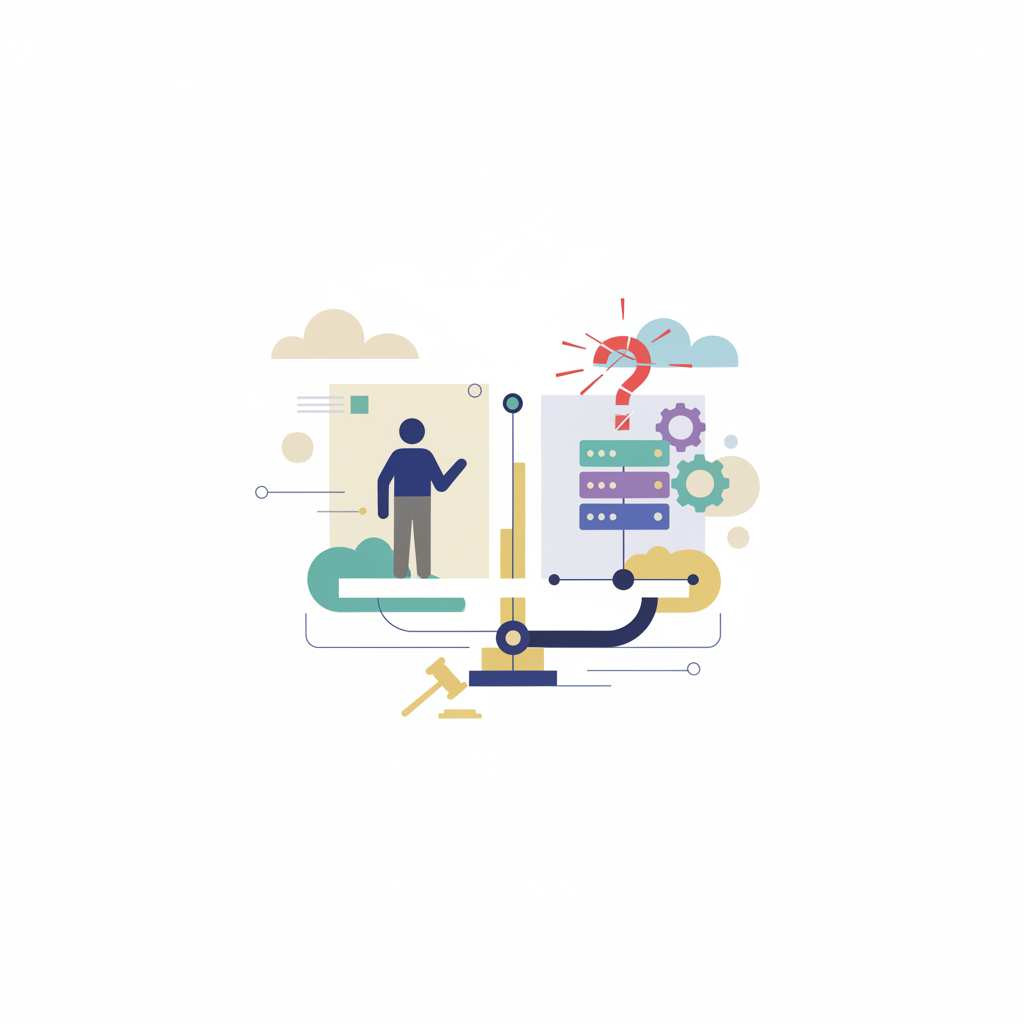
The rapid adoption of artificial intelligence in human resources has promised to streamline hiring, reduce bias, and uncover top talent more efficiently. Yet a recent U.S. federal court decision in Mobley v. Workday is forcing HR leaders to confront a stark reality: the algorithms they trust may be exposing their organizations to serious legal risk.
The Landmark Case and Its Allegations
Derek Mobley, a Black job applicant over the age of 40, sued Workday, claiming its AI-powered applicant screening tools discriminated against him based on race, age, and disability. Unlike previous lawsuits that targeted employers directly, Mobley’s suit went after the technology vendor itself—arguing that Workday’s algorithms functioned as an employment agency under U.S. civil rights law and should be held liable for biased outcomes. In a move that could redefine accountability in HR tech, a California district court allowed parts of the case to proceed, signaling that algorithmic hiring tools are not immune from legal scrutiny.
The core allegation is that Workday’s screening software systematically disfavors certain protected groups by using criteria that correlate with race or age, even if those characteristics are not explicitly programmed. For HR professionals, the case underscores a critical lesson: simply purchasing a third-party AI system does not absolve an employer of discrimination claims. If the tools you deploy produce disparate impacts, both you and your vendor may end up in court.
Why This Ruling Matters for HR Technology
The Mobley case arrives amid a broader wave of regulatory attention on algorithmic decision-making. New York City’s Local Law 144 already requires bias audits for automated employment tools, and the European Union’s AI Act classifies high-risk applications—including recruitment—under stringent compliance obligations. The court’s willingness to extend potential liability to vendors marks a legal turning point. For years, many companies assumed that if an external provider’s software was at fault, the provider would absorb the blame. Mobley challenges that assumption, placing a shared responsibility on both employers and technology firms.
For HR leaders, the immediate implication is clear: the due diligence you perform when selecting AI hiring tools must go far beyond marketing promises and accuracy statistics. You need to understand how the model was trained, what proxies it might be using, and whether its recommendations can be explained to an auditor or a judge. The “black box” defense is becoming untenable. Courts and regulators are increasingly demanding transparency, and the Mobley case will likely embolden more individuals to challenge automated decisions that they perceive as unfair.
Navigating the New AI Compliance Landscape
So what should CHROs and talent acquisition heads do now? First, conduct an inventory of every AI-driven tool in your HR stack—from resume parsers and chatbot screeners to predictive assessments. For each, request technical documentation from vendors detailing bias testing methodologies, adverse impact ratios, and any monitoring mechanisms. If a vendor is reluctant to share this information, consider it a red flag.
Second, bring legal and compliance teams into the selection process early. They should review contract terms regarding liability and indemnification in light of the Mobley precedent. Some forward-looking companies are beginning to require vendors to accept joint responsibility for discriminatory outcomes, a shift that may reshape vendor contracts industry-wide.
Third, invest in internal governance. Even the most sophisticated AI model can drift over time or produce unintended results when applied to your specific applicant pool. Implement regular audits, ideally with independent third-party evaluators, and establish a clear process for candidates to contest automated decisions. This not only mitigates legal risk but also builds trust with both job seekers and existing employees.
Finally, remember that AI in hiring should augment human judgment, not replace it. Algorithms can flag patterns that humans miss, but they lack context and empathy. Maintaining meaningful human oversight is both a compliance safeguard and a best practice that many studies show improves the quality of hire.
A Reckoning Long Overdue
The Mobley v. Workday case is more than a single legal skirmish—it marks the beginning of a new era of accountability for AI in the workplace. As courts dig into the merits of discrimination claims against automated systems, the HR function will need to become far more tech-literate. The days of purchasing a tool, plugging it in, and hoping for the best are over. HR leaders must now act as informed stewards of algorithmic systems, balancing efficiency gains with the fundamental obligation to treat every candidate fairly.
For a global audience of remote and hybrid teams, the stakes are even higher. As organizations cast wider nets across borders, the risk of inadvertently using biased tools across different demographic groups grows. A tool that appears unbiased in one region may produce harmful patterns elsewhere. Moreover, platforms like XMF that facilitate remote hiring must ensure any AI-powered features they provide are subject to rigorous bias testing and transparent governance. The lesson from Mobley is that when it comes to AI and employment, ignorance is no longer a defense—and proactive governance is the only viable path forward.
Originally published by XMF, inspired by publicly reported industry news.
 Likes 0
 Save
Save
 Copy Link



 沪公网安备 31011702008840号
 Electronic Business License