


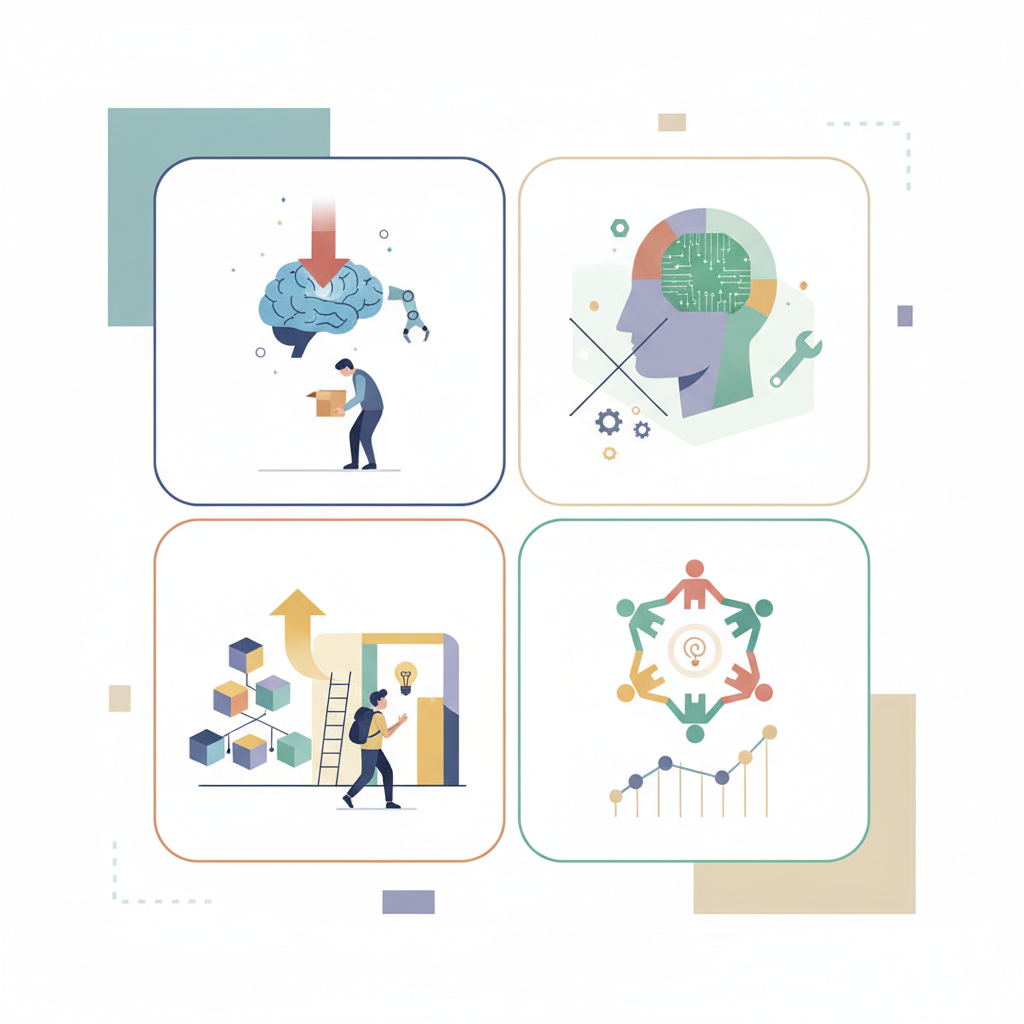
In the summer of 2026, a series of layoffs at major technology firms has put a spotlight on the rapidly evolving relationship between artificial intelligence and the workforce. Oracle, Amazon, Cloudflare, and Block have all announced or are planning significant job cuts, each publicly linking the moves to AI. But the similarities largely end there. Behind each headline lies a distinct narrative about how automation, strategic reallocation, and efficiency pressures are reshaping employment. For HR professionals and business leaders, these cases provide a stark warning — and a practical blueprint — for navigating the age of AI without losing sight of the human costs.
Automation That Replaces Routine Sales Tasks
Cloudflare’s decision to trim its sales organization offers perhaps the most direct example of AI substituting for human labor. The company acknowledged that its AI tools can now handle many tasks that previously required entry-level or mid-career sales representatives: drafting follow-up emails, qualifying leads, even conducting initial outreach analyzes with a level of consistency that human teams struggle to match. As a result, Cloudflare is shifting toward a leaner, more technically empowered sales force, while reducing headcount in roles that have become partly automated. This isn’t just about cost-cutting; it’s a deliberate bet that AI can maintain or even improve the sales pipeline with fewer people. For HR leaders, the Cloudflare case underlines the urgent need to redesign roles around human-AI collaboration rather than simply defending traditional job descriptions. Upskilling sales staff to become managers of AI workflows, or to focus on high-touch enterprise negotiations, will be critical.
Shifting Investment Toward Generative AI
At Amazon and Oracle, the layoffs are less about task-by-task replacement and more about a grand reallocation of capital. Oracle is trimming positions in its legacy software units as it pivots aggressively to cloud infrastructure and AI services — areas where the company believes generative AI will generate the bulk of future growth. Similarly, Amazon’s cuts within its Alexa division are not a retreat from voice technology but a move to restructure the business around large language models that can power more sophisticated, conversational experiences. In both cases, profitable parts of the company are shrinking to fund an AI-centric future. This presents a serious talent management challenge: employees with deep institutional knowledge in older product lines may find their skills undervalued overnight. Successful internal communication, retraining programs, and transparent succession plans become non-negotiable to avoid a brain drain that could hurt the very AI transition these companies are trying to achieve.
The Efficiency Drive and the Human Element
Block’s job reductions follow yet another logic. The payments company, led by a founder known for strategic thinking, has characterized its cuts as part of a broader efficiency campaign where AI is “accelerating productivity.” Block suggests that rather than eliminating entire teams, it can now achieve the same output — or more — with fewer people because AI tools amplify individual performance. This model of “headcount optimization” is likely to spread. However, it raises critical questions about workload, burnout, and the psychological contract between employer and employee. When surviving staff are expected to absorb the productivity gains of AI without proportionate relief or reward, engagement may plummet. HR departments will need to monitor employee well-being metrics closely and ensure that efficiency gains translate into sustainable work patterns, not just higher margins.
What It Means for HR Leaders
These four stories make one thing clear: the AI revolution in the workplace is not a single wave, but many ripples moving at different speeds. Cloudflare shows the rapid job-displacement potential in administrative and transactional roles. Amazon and Oracle illustrate strategic workforce rebalancing that demands long-term planning. Block highlights the subtle drift toward leaner teams where individual employees must do more. For HR, the near-term agenda must include comprehensive skills audits, role redesign pilots, and clear retraining pathways that align with where the business is heading. Beyond that, there is a broader moral and ethical dimension. Layoffs justified by AI — however plausible — still affect real lives, team morale, and employer brand. Companies that couple AI investments with strong internal support systems, or that partner with flexible staffing solutions to provide a cushion for transitioning workers, will navigate this era more responsibly. As organizations rethink their workforce mix, the ability to quickly access remote, specialized talent becomes a strategic advantage, allowing firms to remain agile without permanent overstaffing. The lesson from Oracle, Amazon, Cloudflare, and Block is that waiting for the future to arrive is no longer an option. HR must lead the conversation about what happens next — before the next layoff announcement makes it for them.
Originally published by XMF, inspired by publicly reported industry news.
 Likes 0
 Save
Save
 Copy Link



 沪公网安备 31011702008840号
 Electronic Business License