

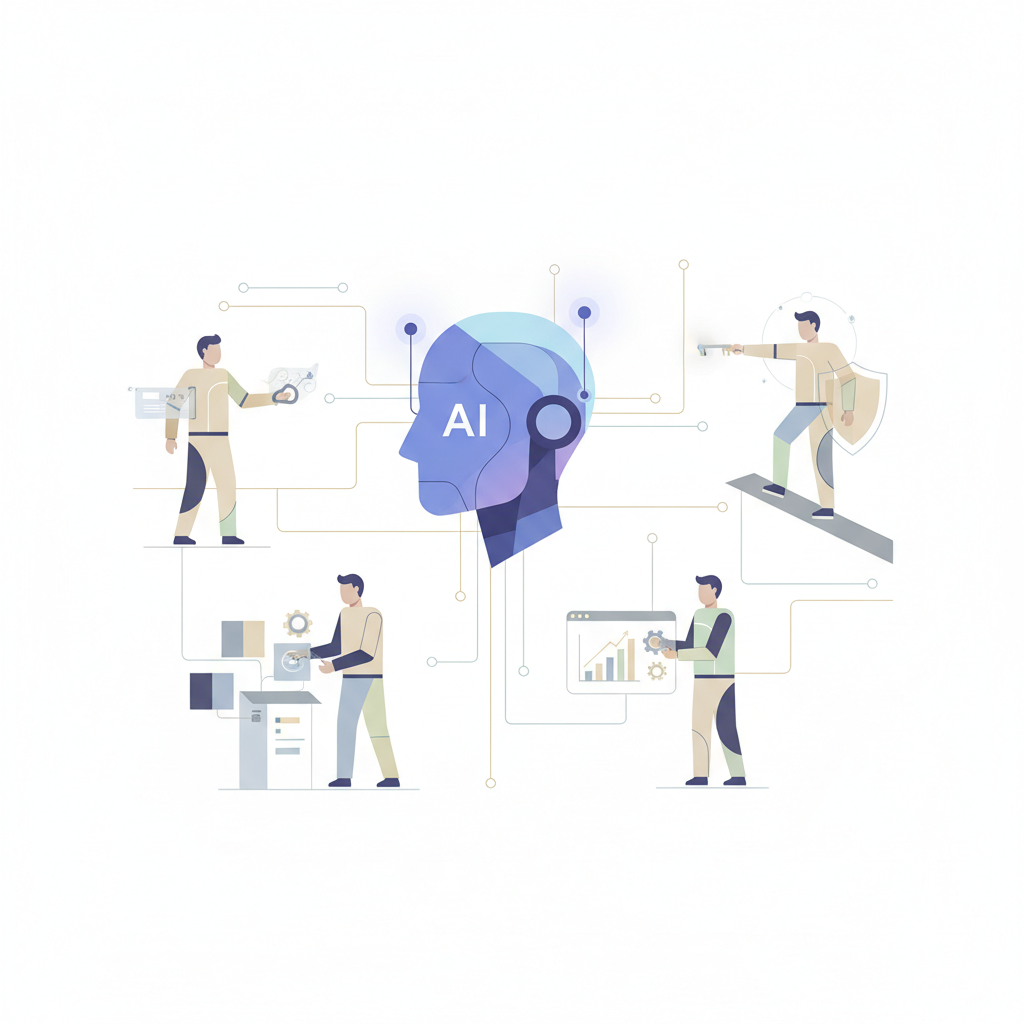
Artificial intelligence is no longer a distant promise or a niche technology reserved for Silicon Valley labs. It has entered the mainstream of daily work, reshaping how tasks are performed, decisions are made, and teams collaborate. From generative AI assistants that draft reports to machine learning algorithms that optimize supply chains, the tools are proliferating at an unprecedented pace. Yet many organizations find themselves caught between excitement and uncertainty. The question is no longer whether AI will affect their workforce, but how rapidly and how deeply—and what they should do about it today.
The Shifting Landscape of Skills
The most immediate impact of AI is on the skills that employees need. Repetitive, rule-based tasks are increasingly automatable, while demand grows for abilities that complement intelligent machines: critical thinking, creativity, emotional intelligence, and complex problem-solving. A financial analyst who once spent hours compiling spreadsheets can now rely on AI to surface insights, freeing up time to interpret trends and advise clients. A customer service representative might see routine inquiries handled by chatbots, shifting their role toward resolving nuanced cases that require empathy and judgment.
This transformation is not limited to white-collar jobs. In manufacturing, AI-powered robots are altering the floor, requiring workers to manage and troubleshoot sophisticated systems. In healthcare, diagnostic algorithms change how clinicians interact with patient data. The common thread is that everyone, regardless of sector, will need digital literacy and the ability to learn continuously. The half-life of specific technical skills is shrinking, making adaptability the single most valuable attribute in the modern workforce.
HR’s Strategic Role in the AI Transition
Human resources leaders are on the front line of this shift, and their role is evolving from administrative gatekeeper to strategic architect. They must first assess the current state of workforce readiness. This means auditing existing skills, identifying gaps, and forecasting future needs. Data-driven tools can map how roles might change over the next two to five years, but the human element remains irreplaceable: honest conversations with managers and employees about fears, aspirations, and hidden talents are crucial.
Upskilling and reskilling programs are essential, but they must be designed with practical, bite-sized learning in mind. Long training courses often fail because they are disconnected from daily work. Microlearning, on-the-job coaching, and project-based upskilling tend to yield better results. Equally important is a culture that encourages experimentation. Employees need psychological safety to try new tools, make mistakes, and share their learnings without fear of being judged obsolete. HR can champion this by celebrating learning milestones and by integrating AI proficiency into career development paths.
Attracting new talent also requires a shift in mindset. Job descriptions that rigidly list years of experience with specific legacy systems may miss candidates with strong adaptability and a growth mindset. Forward-looking organizations are screening for learning agility and digital curiosity, often using AI itself to identify candidates whose career trajectories show a pattern of reinvention.
A Roadmap for Workforce Readiness
Getting started can feel overwhelming, but a phased approach makes the challenge manageable. First, leadership must articulate a clear vision: Why is AI adoption important for the organization? How will it enhance rather than replace human contribution? This narrative should be repeated consistently to build trust. Then, a cross-functional team—including HR, IT, and operations—should map the most AI-impacted roles and prioritize interventions. Quick wins, such as automating a tedious but simple process with visible employee benefits, can build momentum.
Measurement is often overlooked. Companies should define metrics not only for AI performance but for workforce readiness: percentage of employees completing relevant upskilling modules, internal mobility rates into newly created roles, and employee sentiment about change. Piloting a small internal talent marketplace can also help match people with projects where they can develop new skills, an approach that keeps institutional knowledge inside the organization while preparing it for tomorrow.
Amid this transformation, flexible staffing models can provide a valuable buffer, allowing companies to bring in specialized AI expertise for specific initiatives without committing to permanent headcount. Platforms that connect businesses with vetted remote professionals can accelerate the learning curve, though the ultimate strength lies in a committed internal team that owns the change.
Viktor, an HR director at a mid-sized European logistics firm, described his journey: “We didn’t start with a grand AI strategy. We started by asking our warehouse teams what frustrated them most about their day. When they said inventory reconciliation, we introduced a simple AI tool to handle that. Within three months, not only did accuracy improve, but the team began proposing other areas for automation. That bottom-up energy was more powerful than any top-down mandate.”
The age of AI is not a distant future. It is here, and the organizations that thrive will be those that treat workforce readiness not as a one-time project, but as a continuous practice of learning, listening, and evolving. By combining clear vision with empathetic leadership and practical skill-building, business leaders and HR professionals can turn disruption into a deeply human opportunity.
Originally published by XMF, inspired by publicly reported industry news.
 Likes 0
 Save
Save
 Copy Link


 沪公网安备 31011702008840号
 Electronic Business License