


For months, headlines have warned that artificial intelligence will hollow out human resources departments and make recruiters obsolete. The fear is understandable: software that screens résumés, schedules interviews, and even conducts first-round assessments seems to erode the very essence of people-centric work. Yet fresh data from two of the world’s most influential labor market authorities paints a strikingly different picture. Rather than decimating jobs, AI adoption in hiring correlates with workforce expansion. The challenge for HR leaders is not to resist the technology, but to manage its integration strategically.
Surprising Numbers from the Front Lines
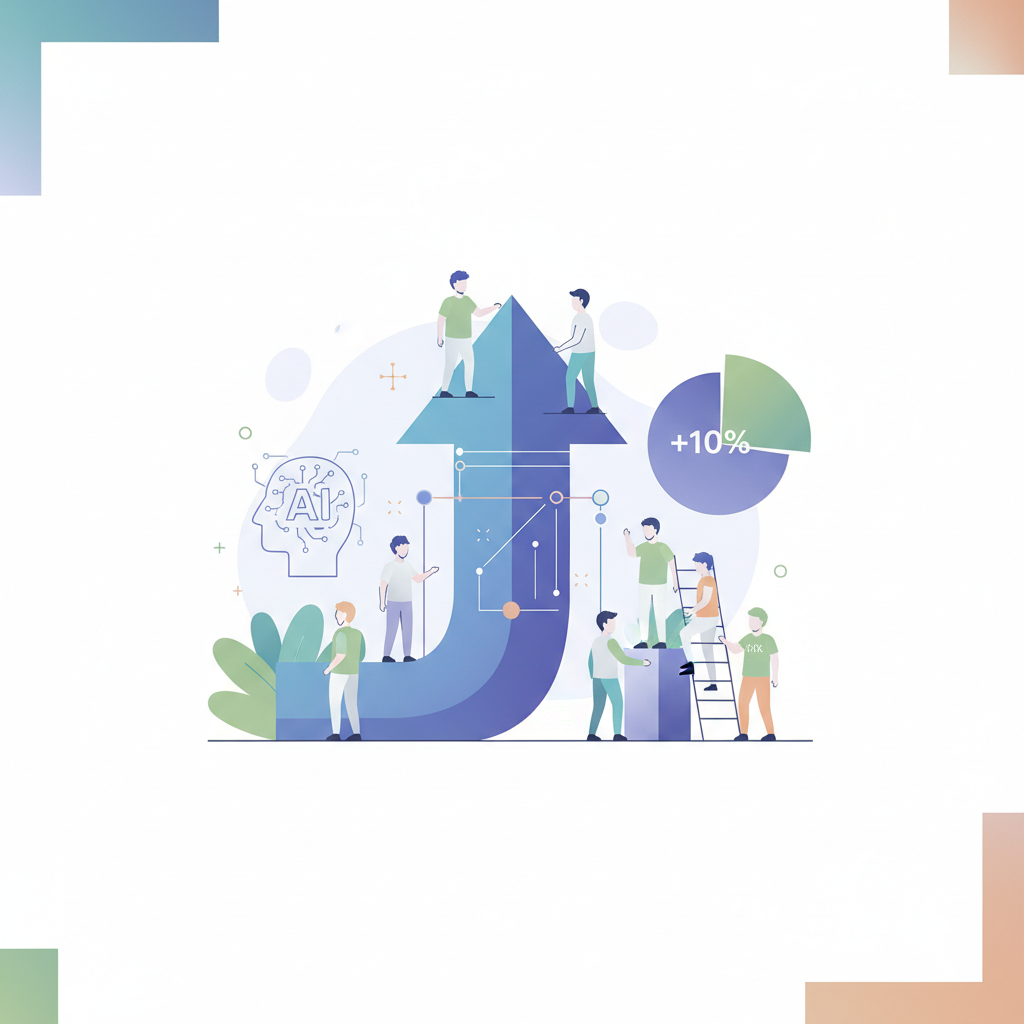
Speaking at recent industry briefings, Taylor Stockton from the U.S. Department of Labor and Kanishka Narayan, the UK’s Minister for AI, shared an unexpected statistic: organizations that heavily deploy AI tools have increased their overall headcount by approximately 10%. This figure, drawn from employer surveys and economic analysis, directly contradicts the narrative of AI as a net job destroyer. Stockton noted that the growth spans multiple sectors, from finance to healthcare, and is especially pronounced in companies that pair AI adoption with upskilling programs. The takeaway is clear: AI is not an autonomous workforce replacement, but a catalyst that changes how human talent is allocated.
Reallocating Human Effort, Not Replacing It
The reason AI often leads to more jobs, not fewer, lies in how it reshapes tasks. When a recruiting team uses AI to parse thousands of applications in minutes, the hours once spent on manual screening do not simply disappear. Instead, recruiters shift their focus to relationship-building with niche candidates, refining employer branding, or designing more equitable assessment processes. Efficiency gains allow organizations to scale hiring without proportionally scaling the recruiting team, which in turn fuels business growth and creates roles elsewhere in the company. The same dynamic occurs in workforce planning: AI-powered analytics can forecast turnover risks or skill gaps, enabling proactive hiring that supports expansion rather than reactive backfilling. Narayan emphasized that the UK has seen a parallel rise in demand for HR data analysts and employee experience designers—roles that barely existed five years ago.
HR’s New Mandate: Stewarding Ethical AI
Despite the optimistic data, both officials cautioned that AI’s benefits are not automatic. The technology must be deployed with rigorous oversight to avoid amplifying bias and eroding candidate trust. Stockton reiterated that the Department of Labor expects employers to audit hiring algorithms regularly, ensure transparency in automated decisions, and maintain human review at critical stages. This is where HR professionals become indispensable. Their expertise in employment law, cultural fit, and fairness positions them as the stewards of ethical AI adoption. The most successful companies, according to Narayan, are those where HR works shoulder-to-shoulder with IT and legal teams from the very first pilot project, crafting governance frameworks before any software goes live.
A Roadmap for People-Centric Automation
For business leaders, the message is to treat AI as a tool for augmentation, not substitution. Start with small, measurable pilots in areas like interview scheduling or skills-based screening, where the technology’s impact is clear and the risk of bias is limited. Invest in training recruiters and HR business partners to interpret AI outputs critically rather than accepting them at face value. And perhaps most crucially, communicate openly with your workforce: when employees see that AI is eliminating drudgery and creating career pathways, resistance turns into engagement.
The evolution of work has always been about adapting to new tools. Flexible staffing models, supported by platforms that effortlessly connect companies with pre-vetted remote talent, can help organizations absorb AI-driven change without sacrificing human judgment. The institutions that thrive will be those that remember technology is only as effective as the people who shape it.
Originally published by XMF, inspired by publicly reported industry news.
 Likes 0
 Save
Save
 Copy Link


 沪公网安备 31011702008840号
 Electronic Business License